

The Best Option
Drama
Overview
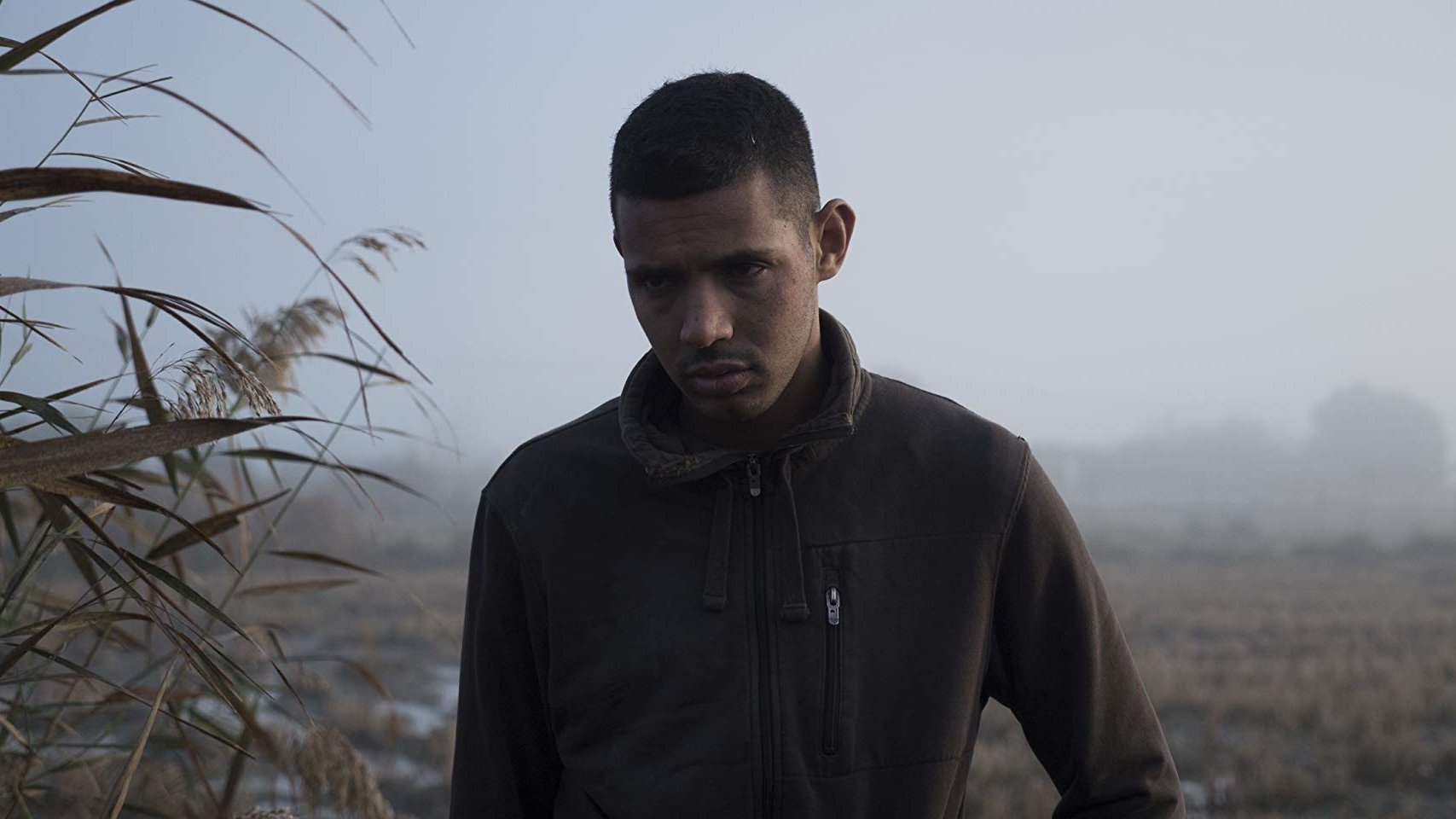
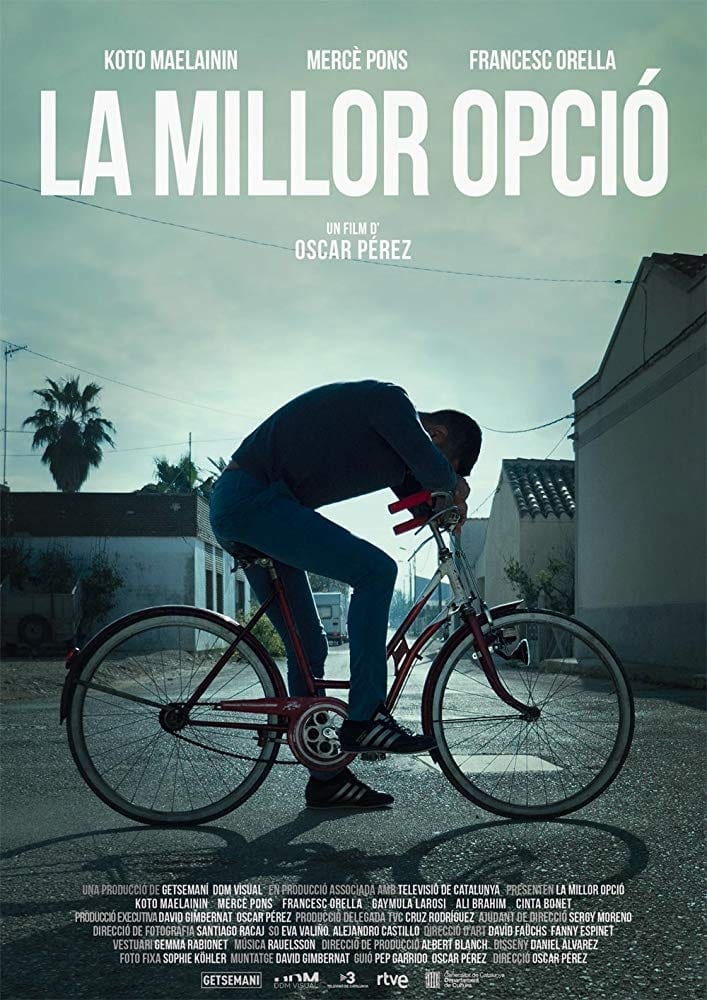
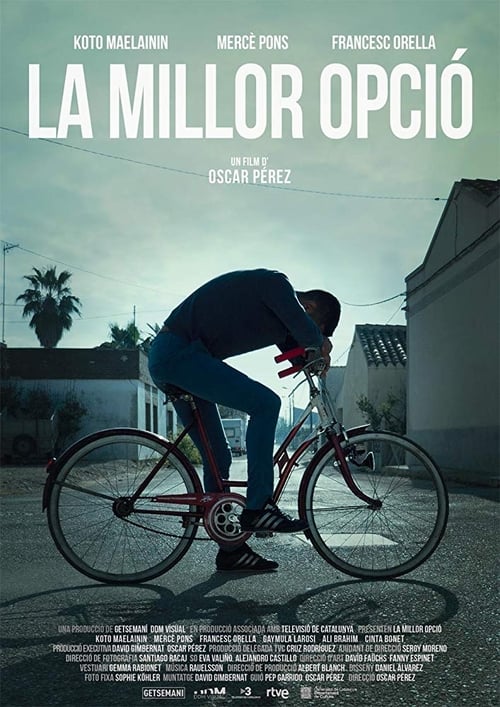
Koto is a restless and impulsive young African, born in a refugee camp. His life in Catalonia among the paddy fields of the Delta passes by with few changes, always under the protection of his foster parents. He has left behind the tough childhood he had in the Saharan refugee camp where he was born. One day life takes a sudden turn: the doctors tell him that he urgently needs a kidney transplant. The best choice as a possible donor would be his biological mother. The sudden arrival of his Saharan family is a shock for Koto, who watches as the life he has been living for the past 10 years falls apart around him. Far removed from the beliefs and customs of his people, the young man must deal with his origins to try to save his own life. The film is based on a real story and played by Koto himself.

Koto Maelainin
Koto Maelainin
Koto Maelainin
Koto Maelainin
Koto Maelainin
Mercè Pons
Mercè Pons
Cinta
Mercè Pons
Cinta
Francesc Orella
Francesc Orella
Antonio
Francesc Orella
Antonio
Gaymula Larosi
Gaymula Larosi
Fatimetu
Gaymula Larosi
Fatimetu
Ali Brahim
Ali Brahim
Ahmed
Ali Brahim
Ahmed
Mohamed-Salem Hadia
Mohamed-Salem Hadia
Mustafà
Mohamed-Salem Hadia
Mustafà
Dahba Nayim
Dahba Nayim
Janina
Dahba Nayim
Janina
Eric Fernández
Eric Fernández
Best Friend
Eric Fernández
Best Friend
Marc Pardo
Marc Pardo
Friend
Marc Pardo
Friend
Rosa Subirats
Rosa Subirats
Friend
Rosa Subirats
Friend
Similar Movies
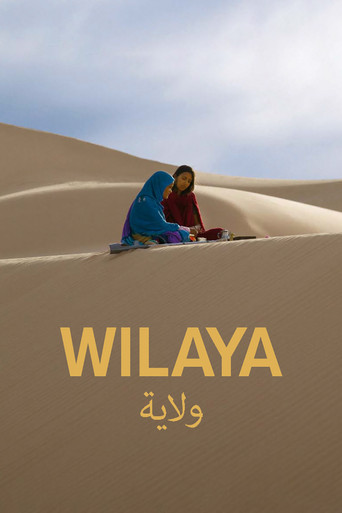
Fatimetu returns to the Wilaya of Smara for the funeral of her mother, after 16 years living in Spain. There she meets her brother Jatri, who is expecting his first child with Aichetu his wife, and her sister Hayat. Jatri tells her that she has inherited the family Khaimah and must care for her sister. Fatimetu reluctantly accepts the last will of her mother, though she is not sure how to take care of her sister as she can barely take care of herself.
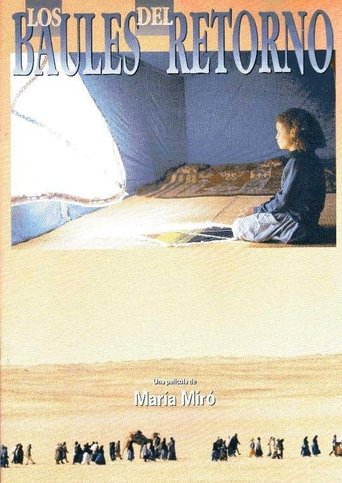
Nayat, a young Sahrawi girl, fantasizes about seeing the waves of a sea she has never known in the desert dunes. She knows that her colonized country has an immense sea and lives in a refugee camp in the Saharan desert. Marián, a young Sahrawi girl studying in Paris, returns to her village and establishes a strong emotional bond with the little girl.

The political upheaval in North Africa is responsibility of the Western powers —especially of the United States and France— due to the exercise of a foreign policy based on practical and economic interests instead of ethical and theoretical principles, essential for their international politic strategies, which have generated a great instability that causes chaos and violence, as occurs in Western Sahara, the last African colony according to the UN, a region on the brink of war.

Inma (24) is determined to win a marathon in the Sahara Desert. But her motives run deeper than the physical challenge. A few months ago, she came across adoption papers that revealed the birthplace of her biological mother: Laayoune, Western Sahara. Having never heard of the country, she decides to train for an international marathon that takes place in the Sahrawi refugee camps in Northern Africa. It is the perfect opportunity for her to learn about a history she never faced growing up in Spain.
Ismael, Hindu and Bachir are three Sahrawis living in Gran Canaria (Canary Islands). They tell us about their lives away from their home country (Western Sahara), their own personal history and experiences... and the challenges they face in an island they consider something of a second home. This short film combines the three main characters' impressions with archive images of the Dignity Camp, of the Tindouf camps, and images of the Western Sahara in the mid- 70's. A Canary Islands production shooted in Gáldar and Las Palmas de Gran Canaria.

Ali Salem Hamudi Mohamed - Yahdih, was born in 1955 in El Aaiún (Western Sahara). He completed his secondary schooling in the "Spanish" Sahara. A scholarship allowed him to enrol at the Universidad de la Peninsula in 1975, but Morocco's invasion of the Sahara led him to return to the city of his birth and go into exile with his people, participating in the resistance and helping to organise the Tindouf Refugee Camps (Algeria). In 1980, the Polisario Front and the Government of Cuba offered him the opportunity to study Architecture at the University of Havana. On his return to the Camps in 1985 he worked for the SADR's Department of Construction. He designed more than twenty public buildings, including town halls, schools and nursery schools, and also collaborated with international aid organisations to build hospitals and training colleges. All of these buildings were built collectively by the Saharan people. ;In 1999 he emigrated to Spain. His family joined him five years later.
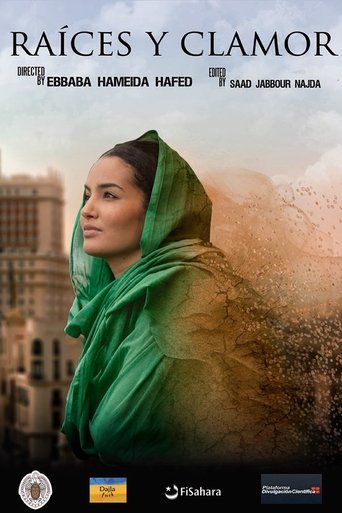
Their desert was not the same since they last saw it. The dunes kept memories of a childhood bathed in sun and sand, when minutes passed by in a stalling time. It has been long since they moved to the city, in search of a better future. They left, switching their tents for high buildings in busy boulevards, bearing in mind their responsibility towards their society. Each step marked by the commitment to make of their training the future of their people. It is the outcry of souls deep-rooted in tradition, in culture, in the stories of their sand. The desert was not the same, it may have never been. This documental show how they left to change it.
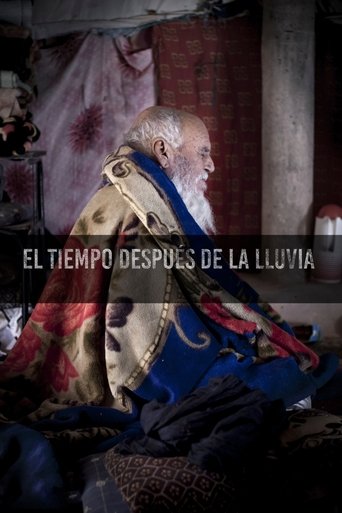
Young Mohamed Dih, who in Seville, returns to his birthplace – a refugee camp in Western Sahara. Time flows differently here: the times of the day are marked by calls to prayer and the seasons – by the rainfall. When a torrential downpour destroys his family’s home, the protagonist stays in the camp for longer to help to rebuild it.