

Running home
Documentary
Overview
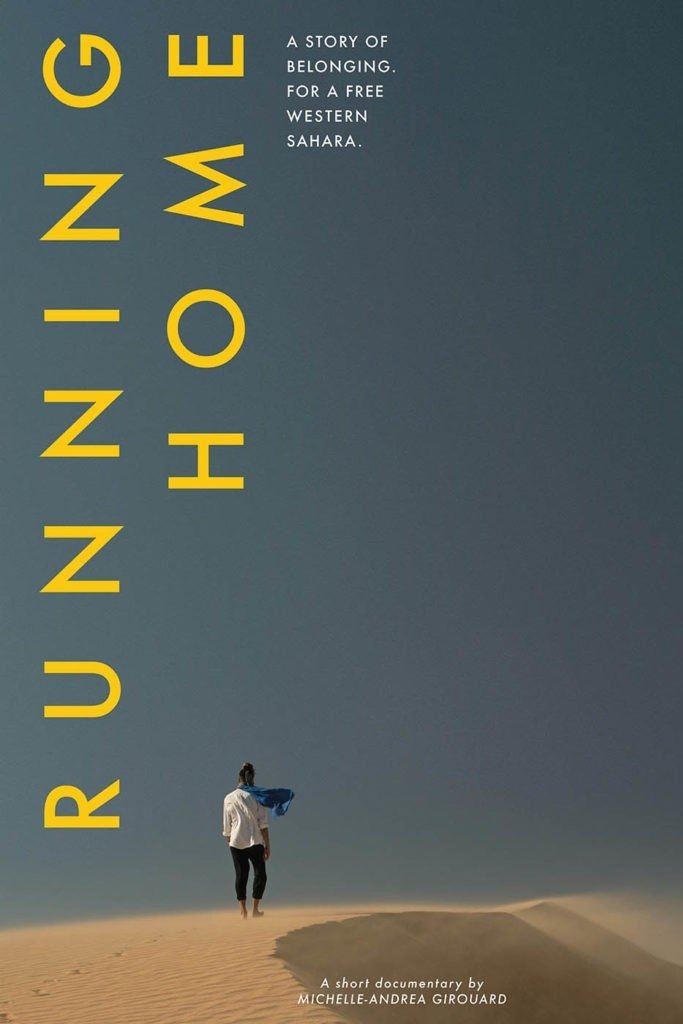
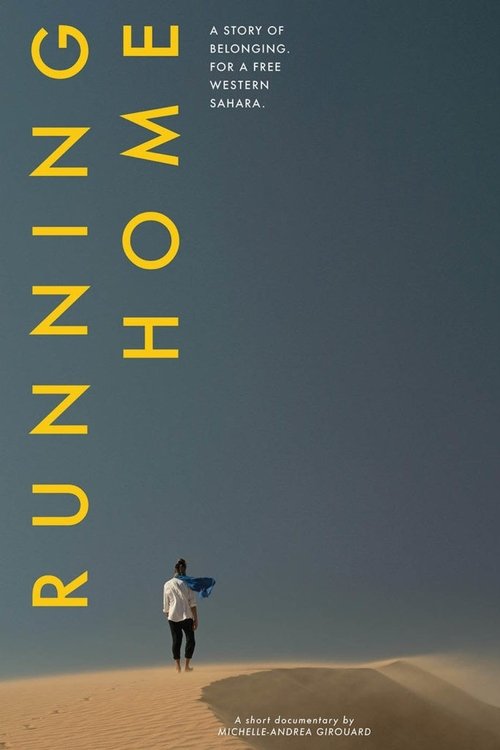
Inma (24) is determined to win a marathon in the Sahara Desert. But her motives run deeper than the physical challenge. A few months ago, she came across adoption papers that revealed the birthplace of her biological mother: Laayoune, Western Sahara. Having never heard of the country, she decides to train for an international marathon that takes place in the Sahrawi refugee camps in Northern Africa. It is the perfect opportunity for her to learn about a history she never faced growing up in Spain.


No cast information.
Similar Movies
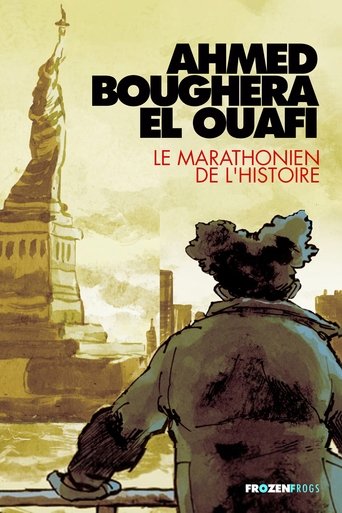
On August 5, 1928, after 2 hours and 32 minutes of racing, the 71st rooster wearing the bib entered the Olympic stadium in Amsterdam. Ahmed El Ouafi Bouguéra wins the gold medal and becomes the first Olympic champion from the African continent. He achieved his feat under the tricolor flag. The start of his real marathon is underway. The history of sport extends to the history of Algeria and France. This documentary retraces the different stages of the life of this great champion, not only the history of sport but also the great story. Archival photographs and interviews mingle with the painted paintings. The series thus once again gives voice to this forgotten hero, one of the great heroes of immigration who defended France for more than a century.
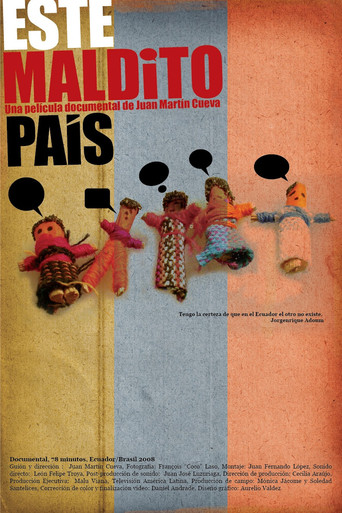
With intertwined life stories, this film starts from the questions: Is Ecuadorian society essentially mestizo? What is a mongrel? This documentary aims to bring to the fore issues that have been poorly resolved both in the way in which Ecuador defines itself as a country, and in the subjectivity of its inhabitants.
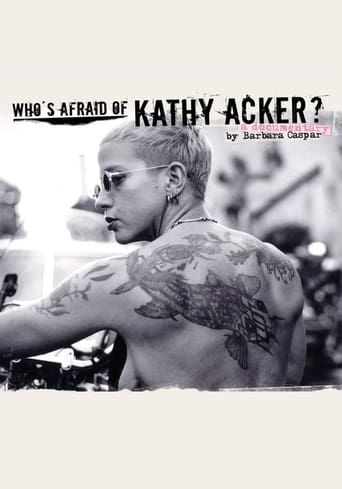
Documentary tracing the extreme life of outlaw writer, performance artist and punk icon, Kathy Acker. Through animation, archival footage, interviews and dramatic reenactments, director Barbara Caspar explores Acker's colorful history, from her well-heeled upbringing to her role as the scribe of society's fringe.

The story of a young boy forced to spend all five years of his short life in hospital while the federal and provincial governments argued over which was responsible for his care, as well as the long struggle of Indigenous activists to force the Canadian government to enforce “Jordan’s Principle” — the promise that no First Nations children would experience inequitable access to government-funded services again.
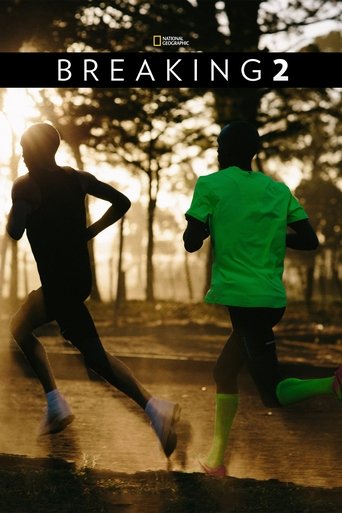
After six months of scientifically advanced training, three of the world's most elite distance runners set out to break the two-hour marathon barrier. These pioneers go on a global trek to defy the unthinkable and break the two-hour feat, from testing in wind tunnels and running labs in the United States, to balancing training with their day-to- day lives in eastern Africa, to the final heart-pounding race in Italy.
"Africa Light" - as white local citizens call Namibia. The name suggests romance, the beauty of nature and promises a life without any problems in a country where the difference between rich and poor could hardly be greater. Namibia does not give that impression of it. If you look at its surface it seems like Africa in its most innocent and civilized form. It is a country that is so inviting to dream by its spectacular landscape, stunning scenery and fascinating wildlife. It has a very strong tourism structure and the government gets a lot of money with its magical attraction. But despite its grandiose splendor it is an endless gray zone as well. It oscillates between tradition and modernity, between the cattle in the country and the slums in the city. It shuttles from colonial times, land property reform to minimum wage for everyone. It fluctuates between socialism and cold calculated market economy.