

Wilaya
Drama
Overview
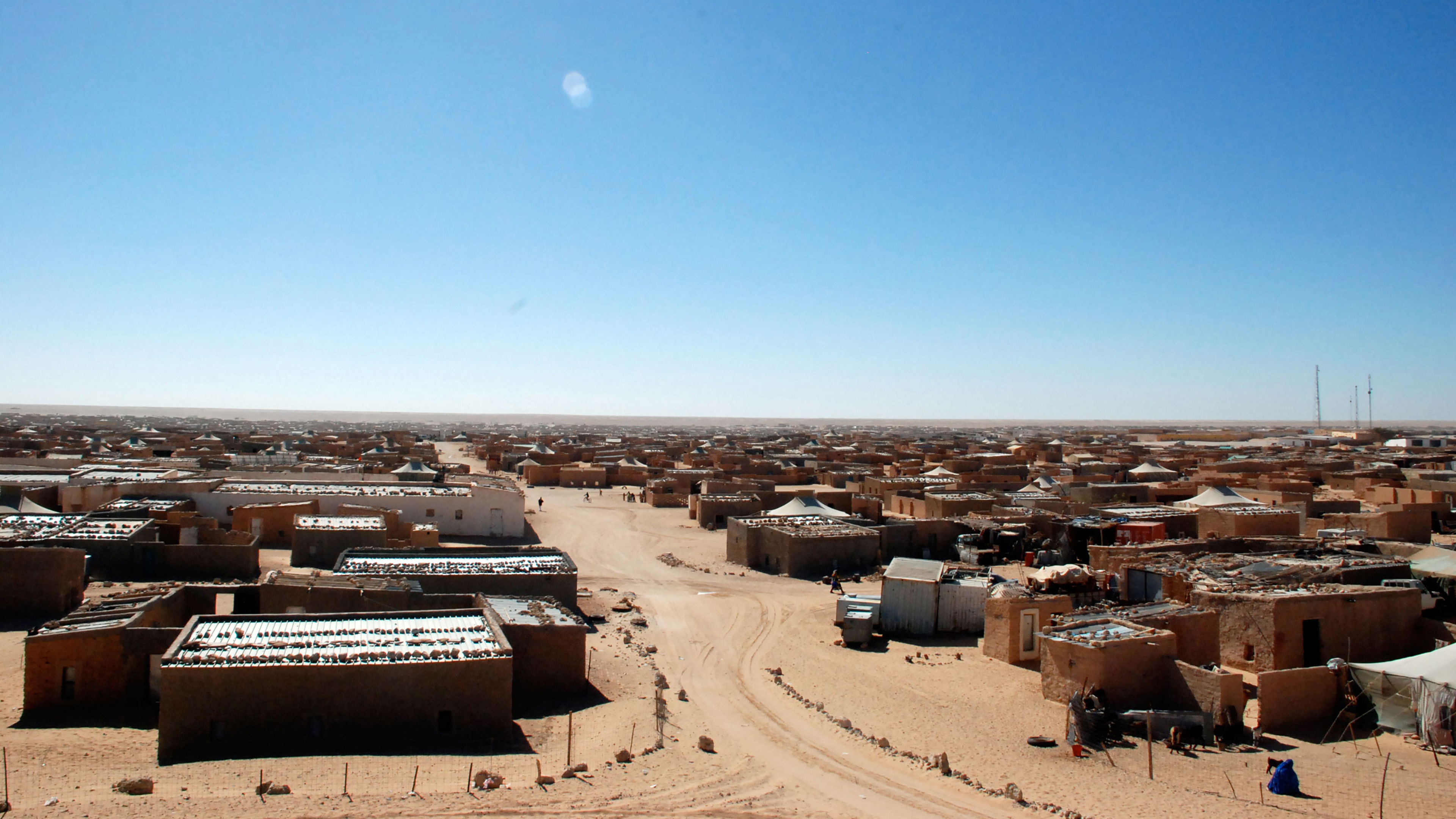
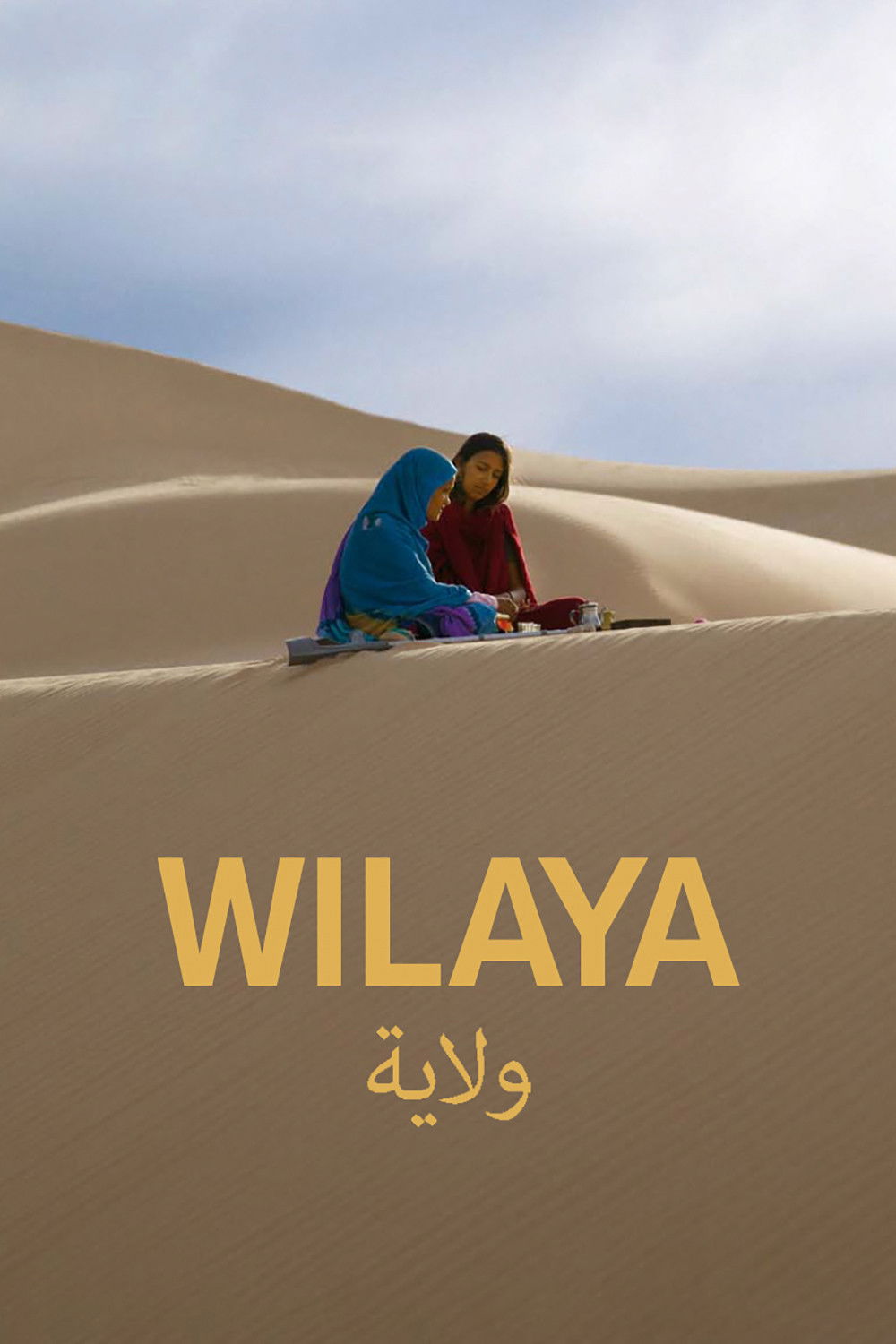
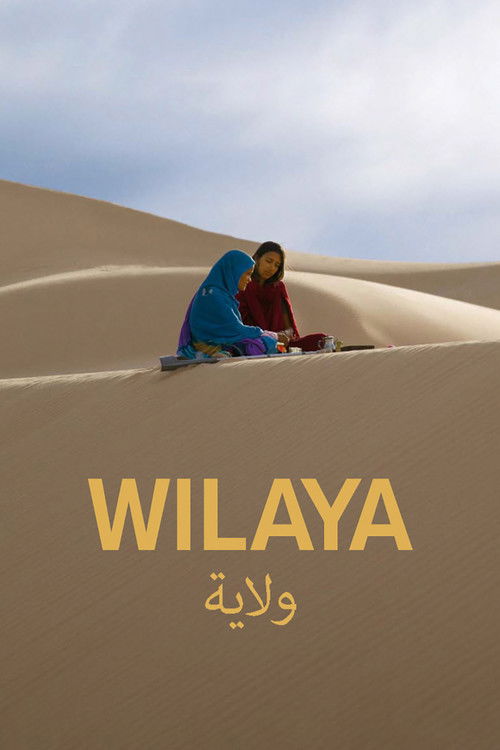
Fatimetu returns to the Wilaya of Smara for the funeral of her mother, after 16 years living in Spain. There she meets her brother Jatri, who is expecting his first child with Aichetu his wife, and her sister Hayat. Jatri tells her that she has inherited the family Khaimah and must care for her sister. Fatimetu reluctantly accepts the last will of her mother, though she is not sure how to take care of her sister as she can barely take care of herself.
Top Cast

Nadhira Mohamed
Nadhira Mohamed
Fatimetu
Nadhira Mohamed
Fatimetu
Memona Mohamed
Memona Mohamed
Hayat
Memona Mohamed
Hayat
Aziza Brahim
Aziza Brahim
Sdiga
Aziza Brahim
Sdiga
Mohamed Said Salem
Mohamed Said Salem
Said
Mohamed Said Salem
Said
Mohamed Moulud
Mohamed Moulud
Jatri
Mohamed Moulud
Jatri
Jatra Malainin Mami
Jatra Malainin Mami
Brahim
Jatra Malainin Mami
Brahim
Lasria Gasem Mohamed
Lasria Gasem Mohamed
Aichetu
Lasria Gasem Mohamed
Aichetu
Buyema Fateh Lahsen
Buyema Fateh Lahsen
Buyema
Buyema Fateh Lahsen
Buyema
Similar Movies
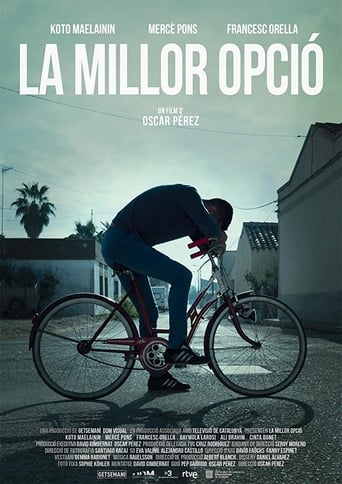
Koto is a restless and impulsive young African, born in a refugee camp. His life in Catalonia among the paddy fields of the Delta passes by with few changes, always under the protection of his foster parents. He has left behind the tough childhood he had in the Saharan refugee camp where he was born. One day life takes a sudden turn: the doctors tell him that he urgently needs a kidney transplant. The best choice as a possible donor would be his biological mother. The sudden arrival of his Saharan family is a shock for Koto, who watches as the life he has been living for the past 10 years falls apart around him. Far removed from the beliefs and customs of his people, the young man must deal with his origins to try to save his own life. The film is based on a real story and played by Koto himself.
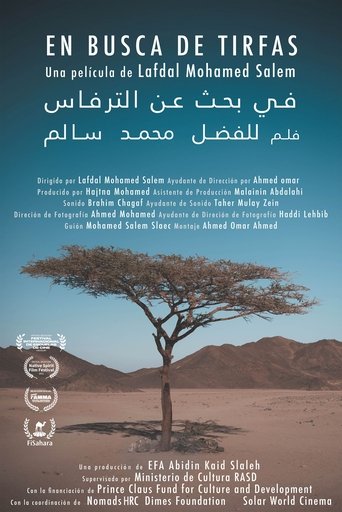
When you are born in refugee camps, you grow up dreaming that one day you will live in your homeland, and as time goes on, this never goes beyond being a dream... You become the father of a family, and at that moment, you have to face life to achieve self-reliance. You fight to reach your dreams and face the daily obstacles, between both worlds, you end up doing what you never thought to do.
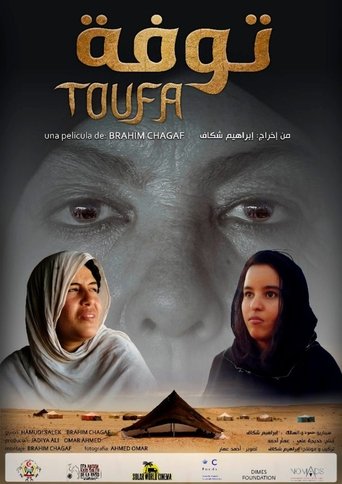
Toufa recreates the beginnings of the Sahrawi population’s arrival in the Hamada’s arid desert. This short film tells of the suffering of three generations of Saharan women, who through their effort and sacrifice wounds of the war were healed upon their arrival in the inhospitable territory of this part of southern Algeria.
The story of young Ahmed Tarfi might as well be the story of the Sahrawi people’s difficulties, and particularly those of the youth. The Sahrawi people are divided by a wall of more than 2000 km in length. This Moroccan wall is not only a defensive position for the occupying power, but it is also an obstacle for the cultural and social development of the original population, and also a wall of emotions and disappointments. The story of Ahmed Tarfi, despite being fictional, could very well be the story of thousands of young Sahrawis.
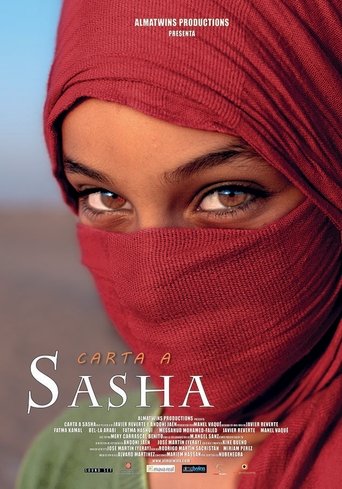
A young girl, frustrated with the never-ending peace process, hopes to hand over a letter containing her suffering and dreams of independence to the Special Envoy for Western Sahara appointed by the Secretary General of the United Nations when he is visiting the area. But various circumstances and obstacles make it impossible to hand over the letter. However, the girl still hopes that the letter will one day reach its destination and receive an answer.
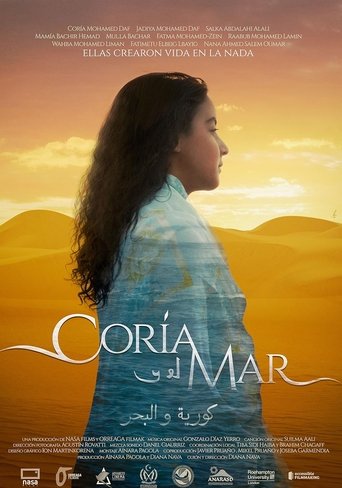
This is a story about women who are fighters, tenacious, hopeful, active women…who were capable of lifting, from nothingness, in the harshest landscape of the world, life. They are the Sahrawi women. 40 years ago, they were forced into exile; the men of this region, marched to war and the women created “temporary cities”: The Refugee Camps. They invented a new day to day life which made possible a sustainable existence and a hope, of one day returning home. Coría every night dreams of the sea; the majestic image of its water, the sound of its waves, are the echoes that join the people with their homeland. The will beats in the hearts of the Sahrawi women who maintain their unbreakable spirit, ever moving forward.
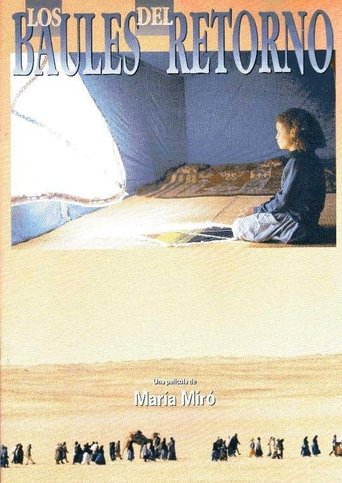
Nayat, a young Sahrawi girl, fantasizes about seeing the waves of a sea she has never known in the desert dunes. She knows that her colonized country has an immense sea and lives in a refugee camp in the Saharan desert. Marián, a young Sahrawi girl studying in Paris, returns to her village and establishes a strong emotional bond with the little girl.