

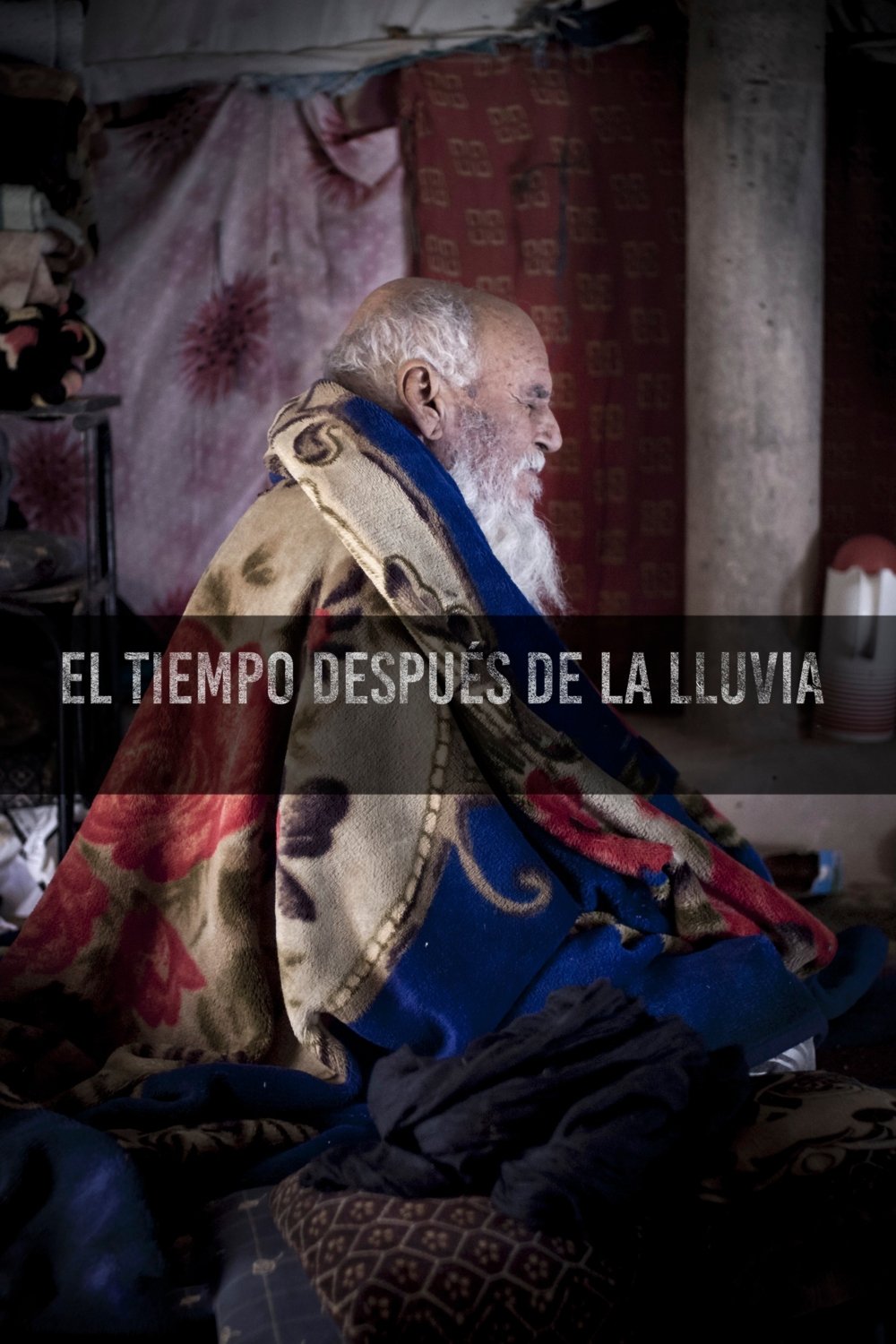
The time after the rain
Documentary
Overview
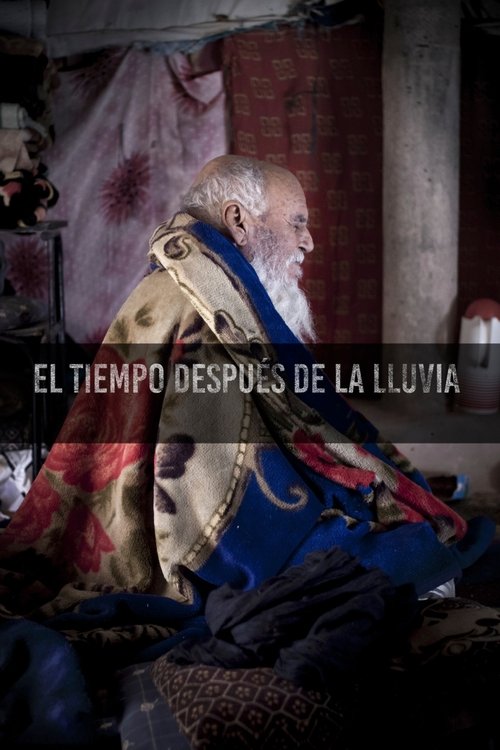
Young Mohamed Dih, who in Seville, returns to his birthplace – a refugee camp in Western Sahara. Time flows differently here: the times of the day are marked by calls to prayer and the seasons – by the rainfall. When a torrential downpour destroys his family’s home, the protagonist stays in the camp for longer to help to rebuild it.

No cast information.
Similar Movies
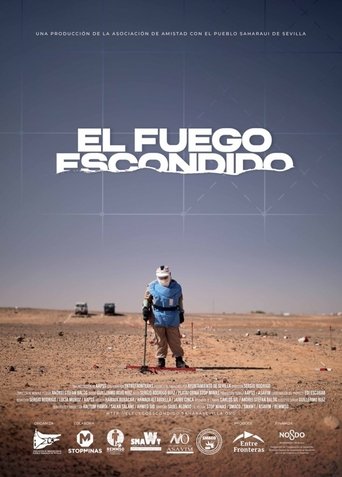
Silence always surrounds the mine, first when it explodes and then when it eternally haunts its victims. The history of the silence of this fire hidden by Morocco in the sand of Western Sahara has left more than 4,000 victims in what is considered the largest minefield in the world. Daha and Fatimetu suffered the effect of the silence of the mines, their lives changed forever, like that of the Saharawi people who, after 14 years cleaning the desert of artifacts, the rupture of the ceasefire have left the future of the contamination of their territory.
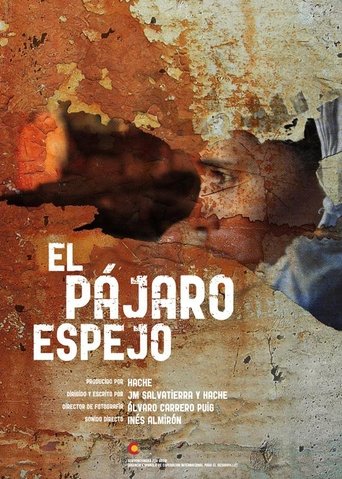
Bubisher, as well as being 'the bird of luck', is a word loaded with literary meaning in Spanish in the Sahrawi refugee camps of Tindouf. Seeing the way in which two cultures interact through small stories and tales can is striking and so is the contrast between the resilience of the young female generations and the realities of life in the desert. This documentary paints a picture of a generation of young female Sahrawis.
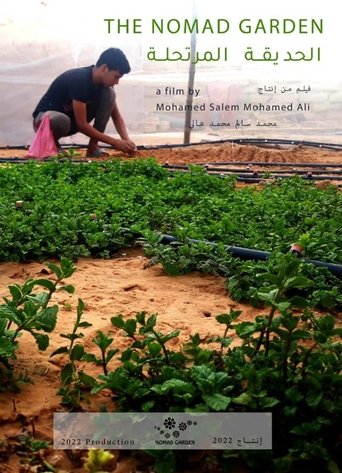
Sahrawi artist and visual poet Mohamed Sleiman Labat follows the story of the emerging phenomenon of small scale family gardens in his local community in the Hamada Desert. The film features the story of four families in Samara Camp with small scale gardens, their practices and the knowledge they develop as part of their practices in the garden. The camps are located in a very harsh environment with extreme climate conditions, and the Sahrawi are still dependent on international food aid.

David Riondino, an Italian film director, is coming to Spain to document the Atocha massacre of 1977, to make a film on its 50th anniversary. He will be helped by Alejandra, a young documentary filmmaker who urges him to contextualise the past with the current rise of the far right. By investigating the Atocha attack, David will recover a part of that recent past and at the same time will witness a reality that encourages reflection on some burning issues such as the advance of the far right, problems of access to housing and job insecurity.
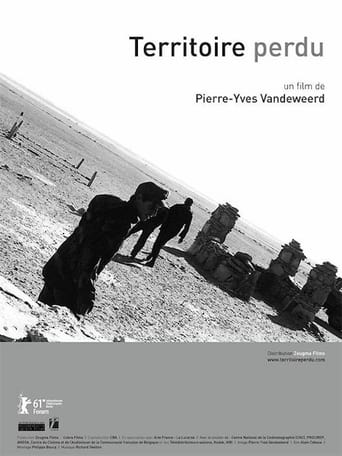
Straddling a 2,400-kilometer-long wall constructed by the Moroccan army, the Western Sahara is today divided into two sections — one occupied by Morocco, the other under the control of the Sahrawi National Liberation Movement’s Polisario Front. Drawing from stories of flight, exile, interminable waiting and the arrested, persecuted lives on both sides of that wall, this film bears witness to the Sahrawi people, their land, their entrapment in other people’s dreams. In an esthetic that sublimates the real, Lost Land resonates like a score that juxtaposes sonorous landscapes, black-and-white portraits and nomadic poetics.

The political upheaval in North Africa is responsibility of the Western powers —especially of the United States and France— due to the exercise of a foreign policy based on practical and economic interests instead of ethical and theoretical principles, essential for their international politic strategies, which have generated a great instability that causes chaos and violence, as occurs in Western Sahara, the last African colony according to the UN, a region on the brink of war.
Ismael, Hindu and Bachir are three Sahrawis living in Gran Canaria (Canary Islands). They tell us about their lives away from their home country (Western Sahara), their own personal history and experiences... and the challenges they face in an island they consider something of a second home. This short film combines the three main characters' impressions with archive images of the Dignity Camp, of the Tindouf camps, and images of the Western Sahara in the mid- 70's. A Canary Islands production shooted in Gáldar and Las Palmas de Gran Canaria.

Inma (24) is determined to win a marathon in the Sahara Desert. But her motives run deeper than the physical challenge. A few months ago, she came across adoption papers that revealed the birthplace of her biological mother: Laayoune, Western Sahara. Having never heard of the country, she decides to train for an international marathon that takes place in the Sahrawi refugee camps in Northern Africa. It is the perfect opportunity for her to learn about a history she never faced growing up in Spain.