


Documentary · History
Overview
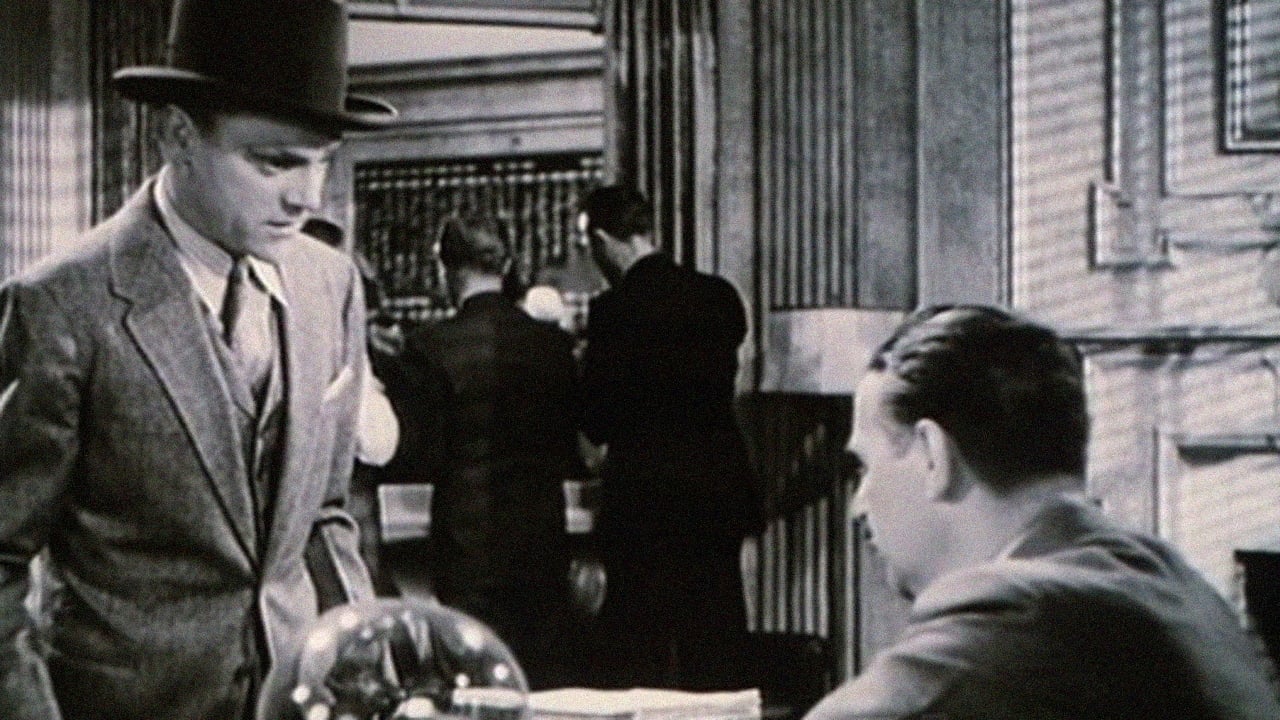
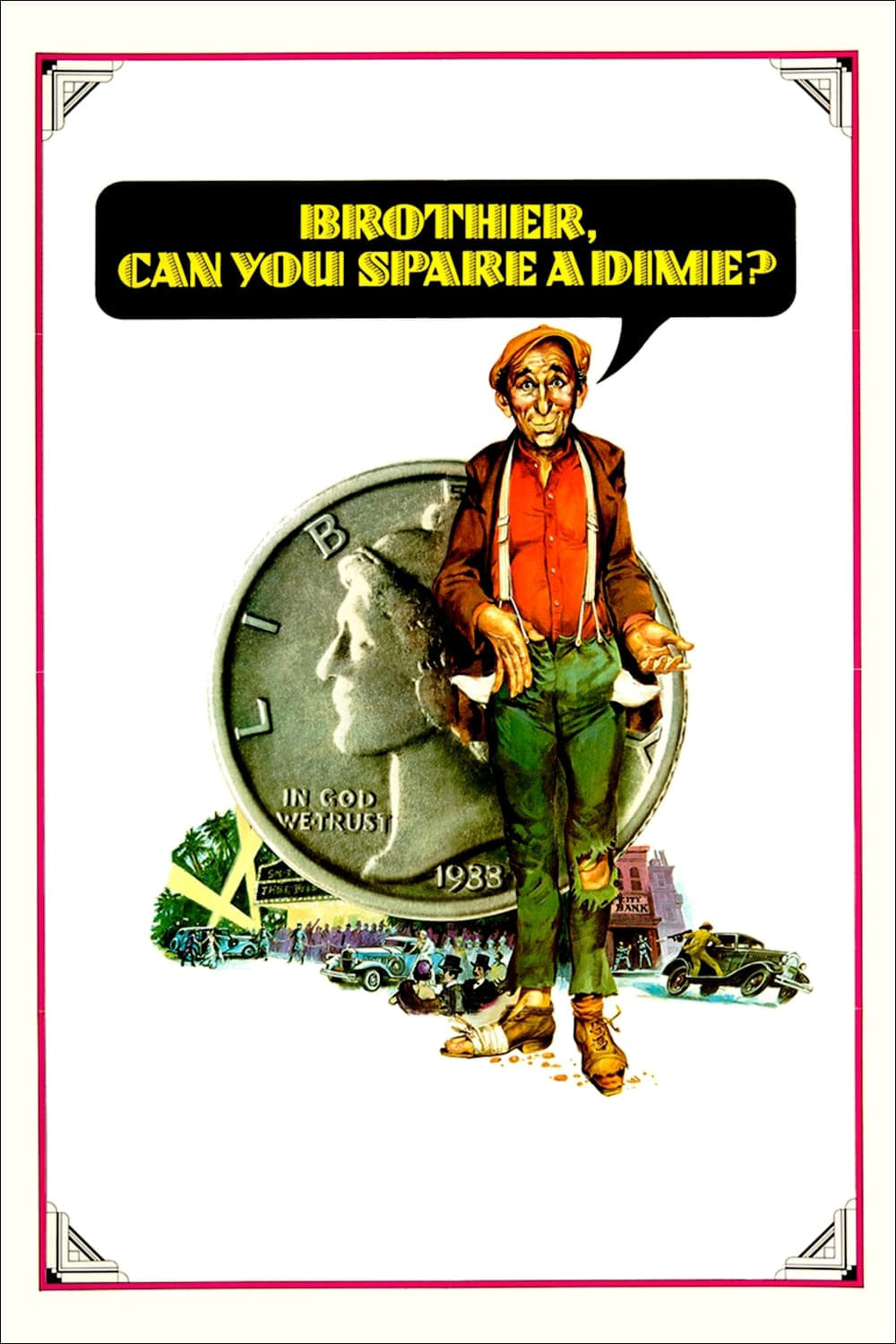
Period music, film clips and newsreel footage combined into a visual exploration of the American entertainment industry during the Great Depression.
Top Cast

Laverne Andrews
Self (archive footage)

Maxene Andrews
Self (archive footage)
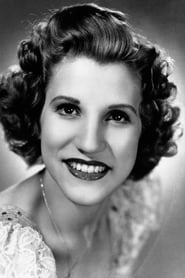
Patty Andrews
Self (archive footage)
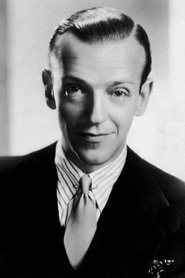
Fred Astaire
Self (archive footage)
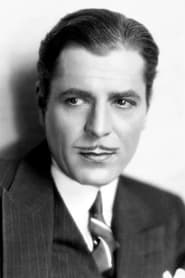
Warner Baxter
Self (archive footage)
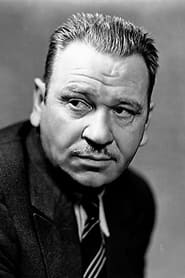
Wallace Beery
Self (archive footage)
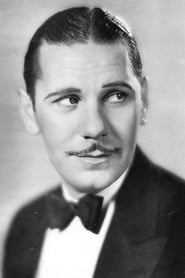
Brooks Benedict
Self (archive footage)

Constance Bennett
Self (archive footage)
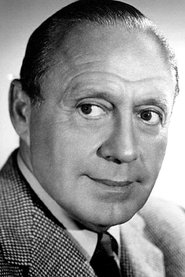
Jack Benny
Self (archive footage)
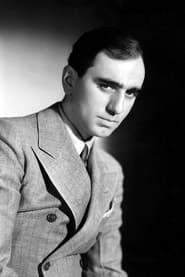
Busby Berkeley
Self (archive footage)
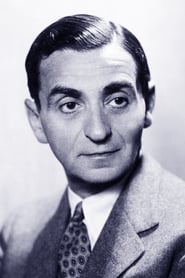
Irving Berlin
Self (archive footage)

Willie Best
Self (archive footage)







Laverne Andrews
Laverne Andrews
Self (archive footage)
Laverne Andrews
Self (archive footage)
Maxene Andrews
Maxene Andrews
Self (archive footage)
Maxene Andrews
Self (archive footage)
Patty Andrews
Patty Andrews
Self (archive footage)
Patty Andrews
Self (archive footage)
Fred Astaire
Fred Astaire
Self (archive footage)
Fred Astaire
Self (archive footage)
Warner Baxter
Warner Baxter
Self (archive footage)
Warner Baxter
Self (archive footage)
Wallace Beery
Wallace Beery
Self (archive footage)
Wallace Beery
Self (archive footage)
Brooks Benedict
Brooks Benedict
Self (archive footage)
Brooks Benedict
Self (archive footage)
Constance Bennett
Constance Bennett
Self (archive footage)
Constance Bennett
Self (archive footage)
Jack Benny
Jack Benny
Self (archive footage)
Jack Benny
Self (archive footage)
Busby Berkeley
Busby Berkeley
Self (archive footage)
Busby Berkeley
Self (archive footage)
Similar Movies

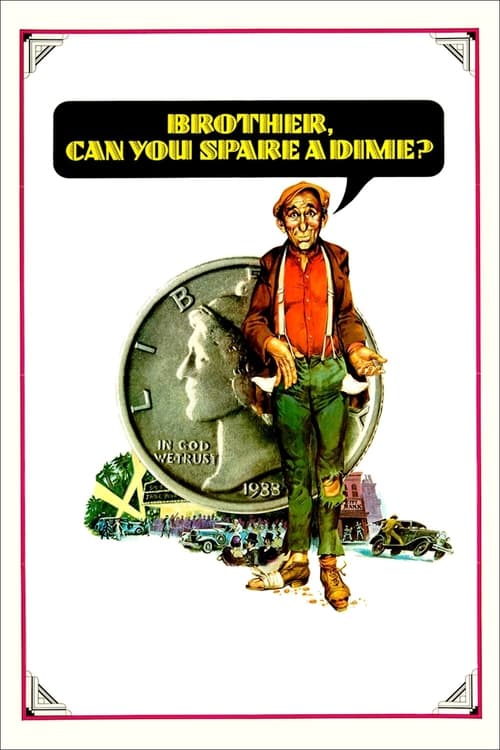
Based on the Depression-era bildungsroman memoir of writer A. E. Hotchner, the film follows the story of a boy struggling to survive on his own in a hotel in St. Louis after his mother is committed to a sanatorium with tuberculosis. His father, a German immigrant and traveling salesman working for the Hamilton Watch Company, is off on long trips from which the boy cannot be certain he will return.
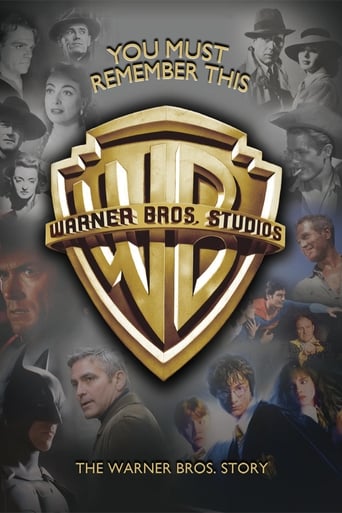
Jack L. Warner, Harry Warner, Albert Warner and Sam Warner were siblings who were born in Poland and emigrated to Canada near the turn of the century. In 1903, the brothers entered the budding motion picture business. In time, the Warner Brothers moved into film production and would open their own studio in 1923.
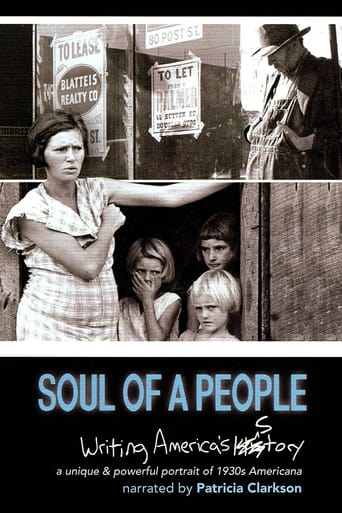
In the grip of the Great Depression, unemployed men and women joined an unlikely WPA program to document America in guidebooks and interviews. With the Federal Writers' Project, the government pitted young, untested talents against the problems of everyday Americans. From that experience, some of America's great writers found their own voices, and discovered the Soul of a People. — Spark Media
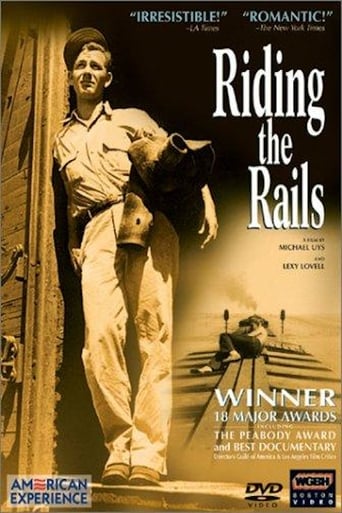
Riding the Rails offers a visionary perspective on the presumed romanticism of the road and cautionary legacy of the Great Depression. The filmmakers relay the experiences and painful recollections of these now-elderly survivors of the rails. Forced to travel more by economic necessity than the spirit of adventure, the film's subjects dispel romantic myths of a hobo existence and its corresponding veneer of freedom. Riding the Rails recounts the hoboes' trade secrets for survival and accounts of dank miseries, loneliness, imprisonment, death, and dispossession. Sixty years later, the filmmakers transport their subjects back to the tracks, where the surging impact of sound and movement resuscitates memories of a shattered adolescence and devastating rite of passage.
For twelve years he stood as America's 32nd President, a man who overcame the ravages of polio to pull America through the Great Depression and WWII. From his legendary Fireside Chats to his sweeping New Deal, Franklin Delano Roosevelt revolutionized the American way of life. FDR: A Presidency Revealed examines one of history's most compelling figures. Inspired by his cousin Teddy Roosevelt, Franklin D. Roosevelt rose to the nation's highest office during the depths of one of its darkest periods. A man of few words, he brought a nation together through his revolutionary Fireside Chats. He introduced vast reforms like Social Security and work relief for the unemployed. At the same time, his administration hid a dark underbelly teeming with covert maneuvers, spy rings, and powerful enemies.