

Painting with Light
Documentary
Overview
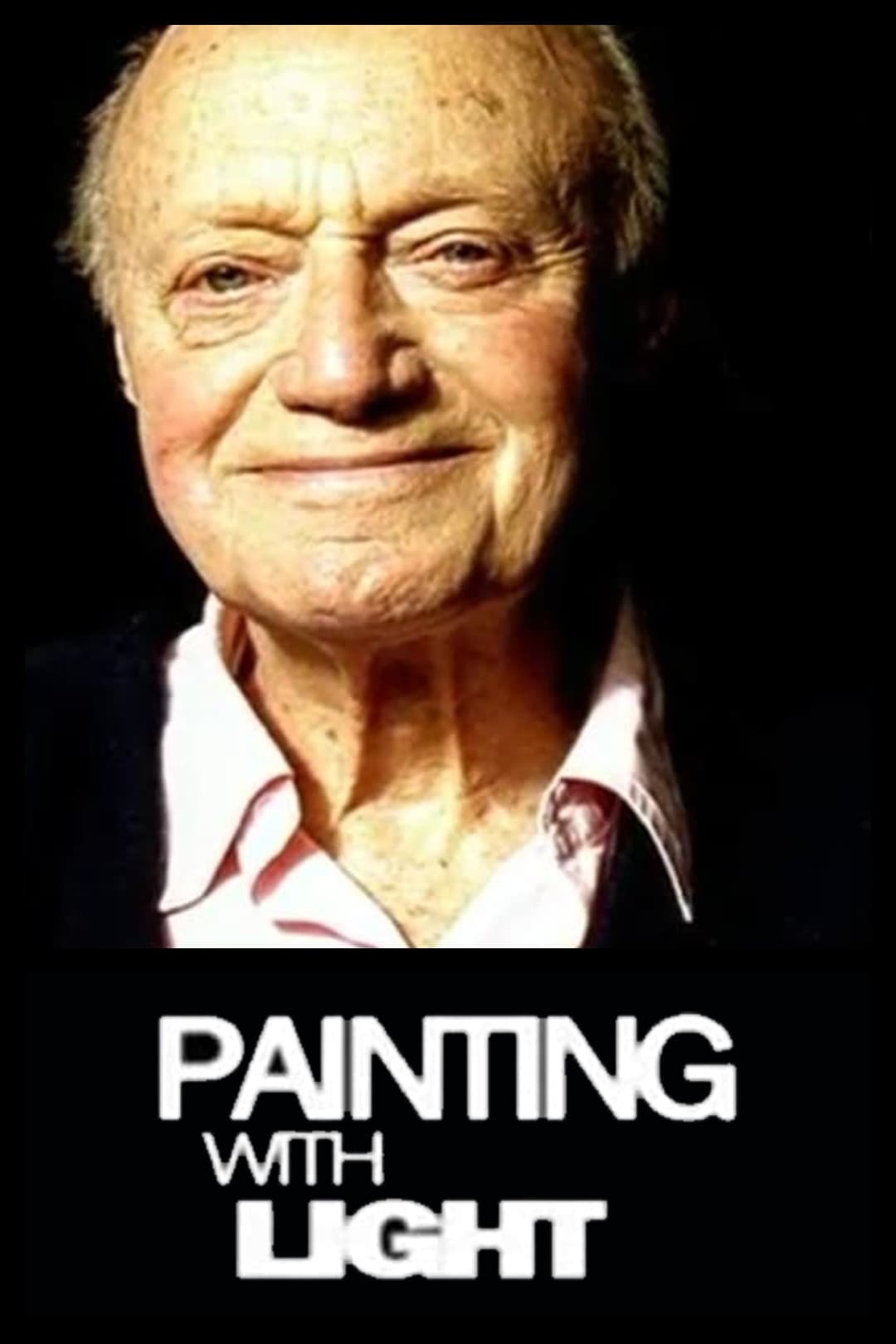
An examination of the great advances in cinematography achieved by Jack Cardiff.















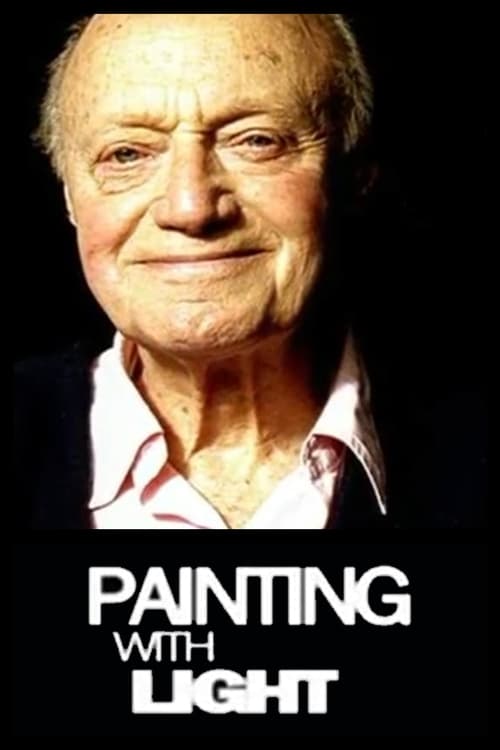
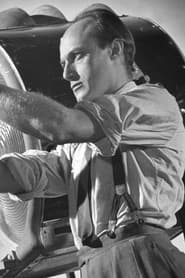
Jack Cardiff
Jack Cardiff
Self
Jack Cardiff
Self

Kathleen Byron
Kathleen Byron
Self
Kathleen Byron
Self
Craig McCall
Craig McCall
Self
Craig McCall
Self

Martin Scorsese
Martin Scorsese
Self
Martin Scorsese
Self

Thelma Schoonmaker
Thelma Schoonmaker
Self
Thelma Schoonmaker
Self
Similar Movies
Jack L. Warner, Harry Warner, Albert Warner and Sam Warner were siblings who were born in Poland and emigrated to Canada near the turn of the century. In 1903, the brothers entered the budding motion picture business. In time, the Warner Brothers moved into film production and would open their own studio in 1923.
Australian-born filmmaker George Miller offers a personal view of Australian films. He suggests that they can be regarded as visual music, public dreaming, mythology, and song-lines. In extrapolating the idea of movies as song-lines he examines feature films under the following categories: songs of the land; the bushman; the convicts; the bush-rangers; mates and larrikins; the digger; pommy bashing; the sheilas; gays; the wogs; blackfellas; and urban subversion. He then concludes that these films can be thought of as "Hymns that sing of Australia."
"Ni Muy Muy, Ni Tan Tan, Simplemente, Tin Tan. Tin Tan was one of the greatest comdedian-actors in the history of Mexican Cinema. He began his film career during the early years of what became the Golden Age of Mexican Cinema. Throughout the majority of his movies he plays the character of a pachuco; the Chicano/Mexicano in zoot suit, throwing out the tirili phrases and words, and jammin the jitty-bug. With the style and the slang down to a tee, he was picked up in Cd. Juarez Chihuahua by an acting troupe. Touring extensively through-out Mexico with the troupe landed him in Mexico City with film contracts. It was in those films that Tin Tan exposed the image of the pachuco, which Mexican Youth adopted. From the desert border-towns of Juarez y El Paso the style took off in various parts of the country, most notably in Mexico City