


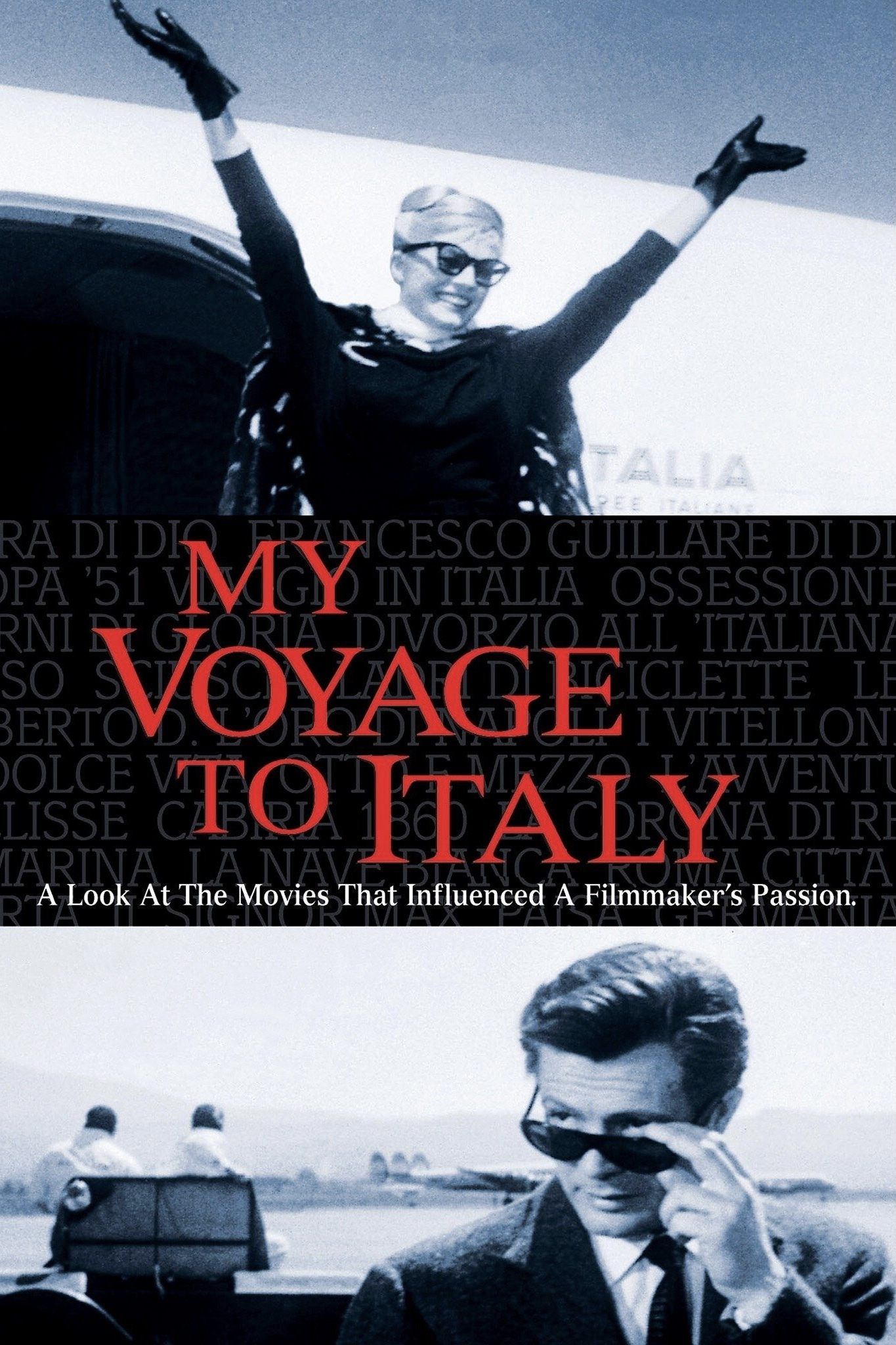
My Voyage to Italy
Documentary
Overview
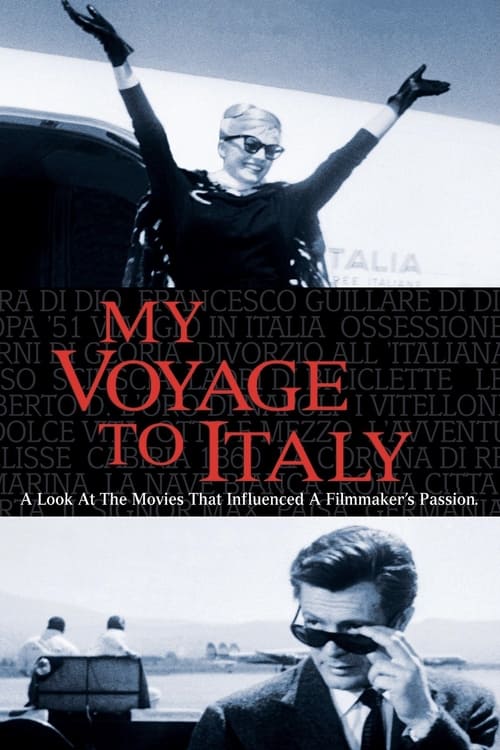
World-renowned director Martin Scorsese narrates this journey through his favorites in Italian cinema.
Top Cast




Martin Scorsese
Martin Scorsese
Self - Host
Martin Scorsese
Self - Host
Similar Movies
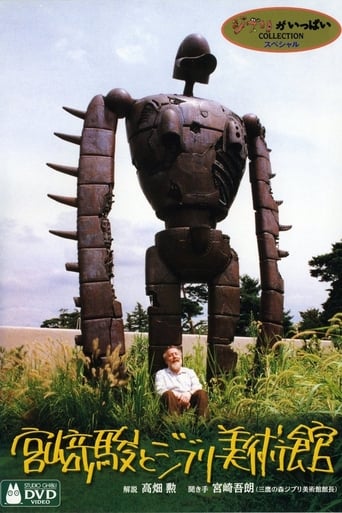
A documentary about the Ghibli Museum. It features Goro Miyazaki speaking with Isao Takahata about the "charm" of the museum and its various influences. Goro tours the viewer around the museum, explaining the intricate details that his father, Hayao Miyazaki made during its construction. The documentary highlights the strong European influences in the museum's architecture, featuring footage of the medieval mountainous city of Calcata in Italy and the historic port city of Genoa, which Miyazaki had visited in the past. These trips would go on to influencing the imagery seen in Castle in the Sky, Kiki's Delivery Service, Porco Rosso, and Spirited Away.
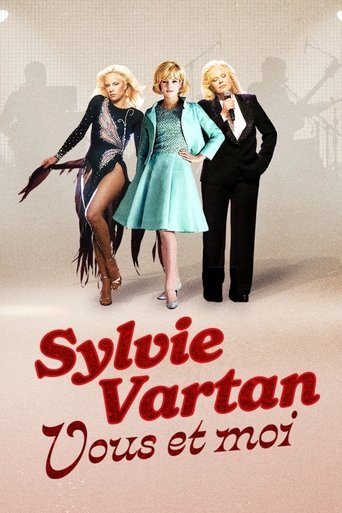
Sylvie Vartan has had an extraordinary life: a Bulgarian child forced into exile, who became the icon of a youth in the midst of revolution in France. After a career spanning 64 years, with nearly 50 albums recorded and 40 million records sold, she has decided to bow out. During her farewell tour, the singer chose to open up to Augustin Trapenard.
An oral history exploring the development of film projection and cinema in Kingston-on-Thames - from resident innovator Eadweard Muybridge through the heyday, decline, and re-emergence of cinema. Features interviews with historians, projectionists and usherettes as well as cinema-goers with rare footage and images from Kingston’s cinemas.
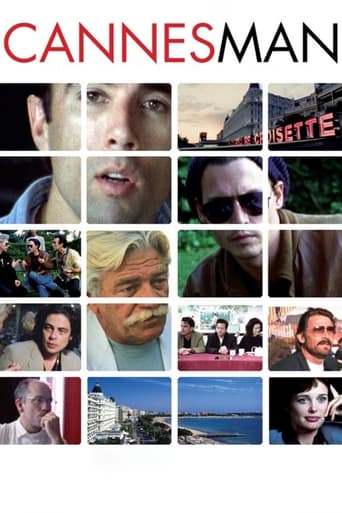
Film producer Sy Lerner makes a bet with a fellow film executive that he can turn any nobody into a star at the Cannes Film Festival. A New York cab driver who is visiting the festival is chosen as the test subject to settle the bet and Sy uses his skills of hype and manipulation to try and turn the cab driver named Frank into the talk of the town. Many celebrities make cameos throughout the film.
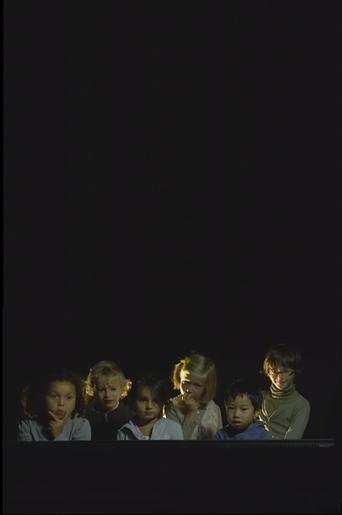
Cruelty, psychological and sexual violence, humiliations: reality television seems to have gone mad. His debut in the early 2000s inaugurated a new era in the history of the audio-visual. Fifty years of archives trace the evolution of entertainment: how the staging of intimacy during the 80s opened new territories, how the privatization of the biggest channels has changed the relationship with the spectator. With the contribution of specialists, including philosopher Bernard Stiegler, this documentary demonstrates how emotion has made way for the exacerbation of the most destructive impulses.
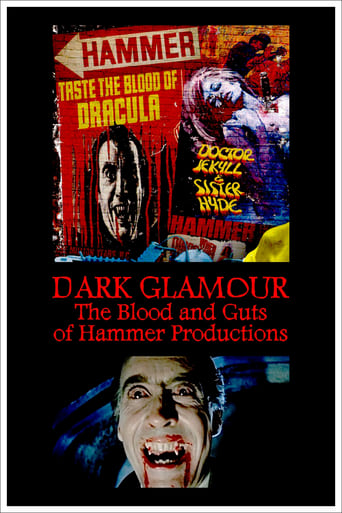
The greatness, fall and renaissance of Hammer, the flagship company of British popular cinema, mainly from 1955 to 1968. Tortured women and sadistic monsters populated oppressive scenarios in provocative productions that shocked censorship and disgusted critics but fascinated the public. Movies in which horror was shown in offensive colors: dreadful stories, told without prejudices, that offered fear, blood, sex and stunning performances.