

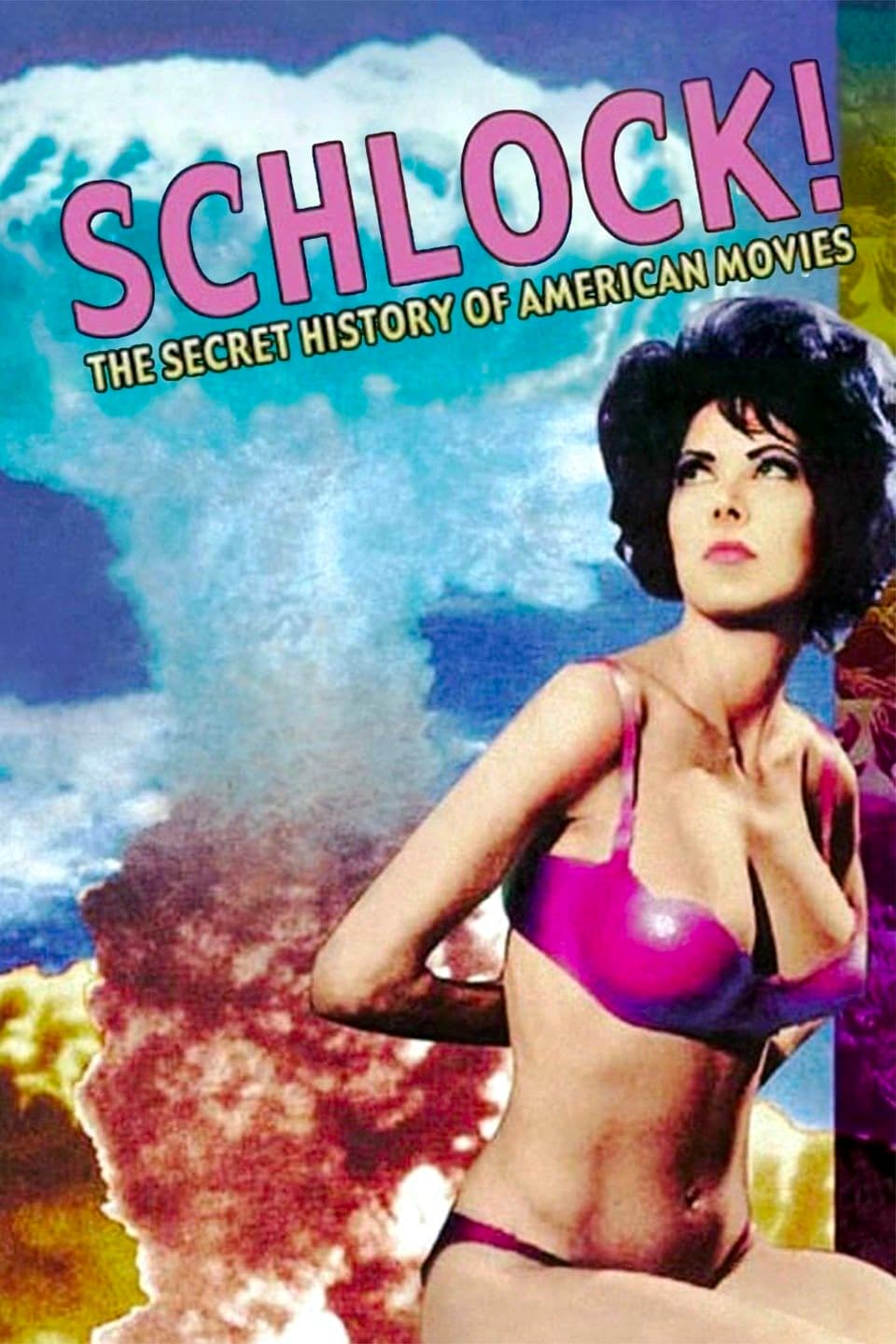
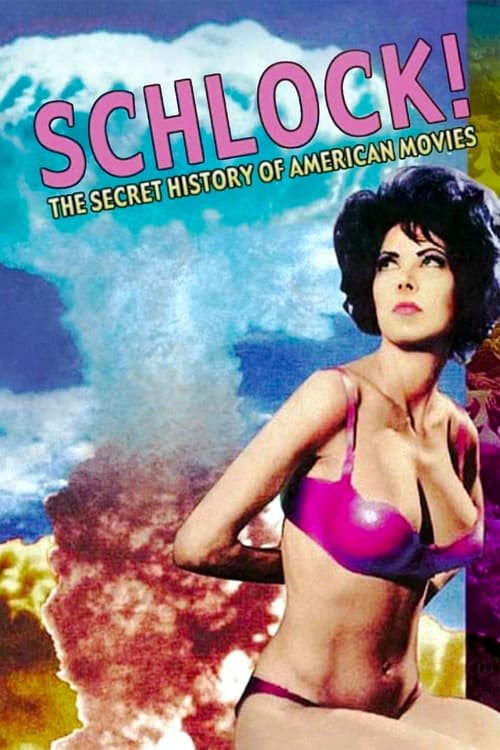
Schlock! The Secret History of American Movies
Documentary
Overview
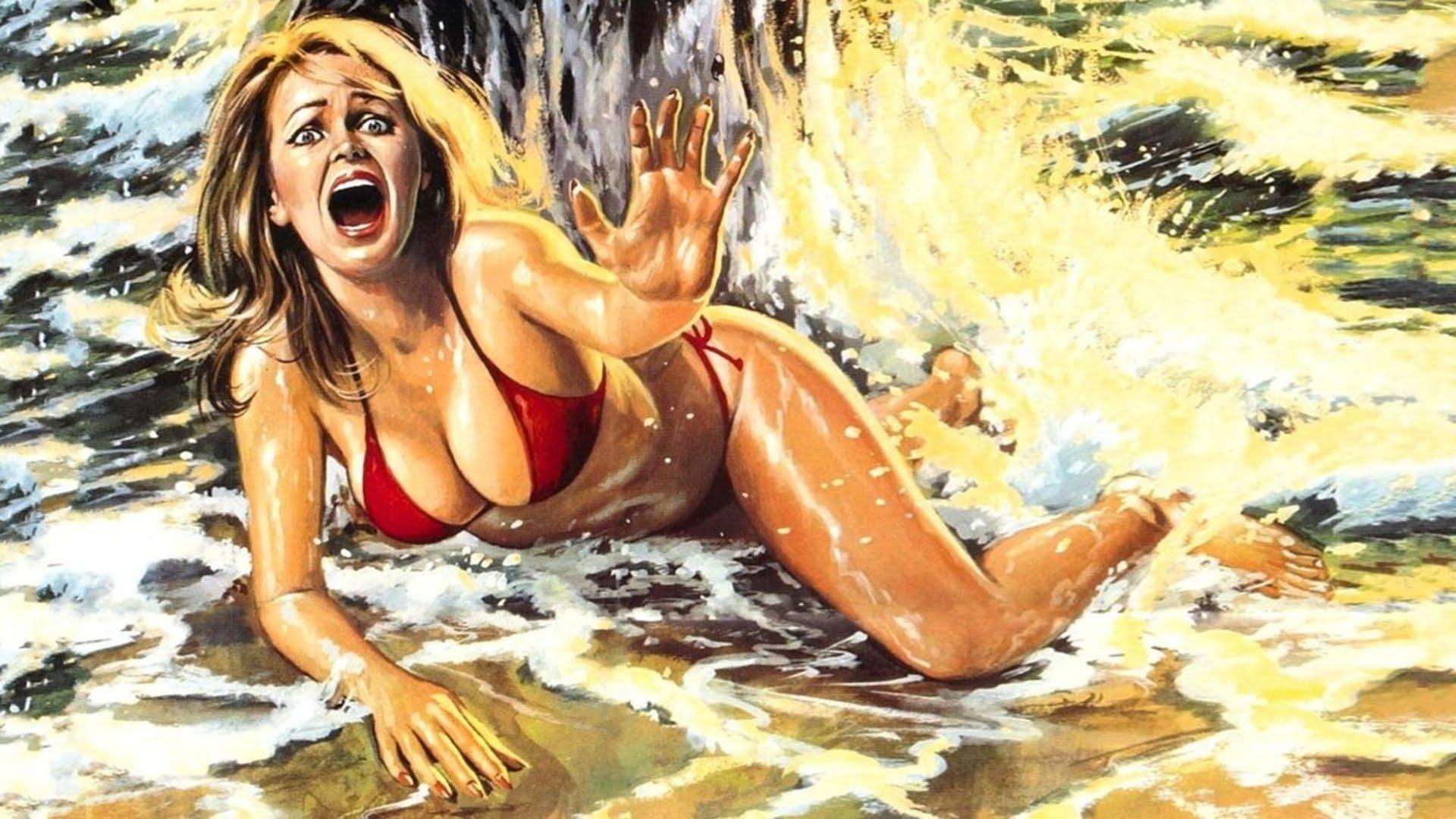
Hollywood is a town of tinsel and glamour; but there is another Hollywood, a place where maverick independent exploitation filmmakers went toe to toe with the big guys and came out on top.




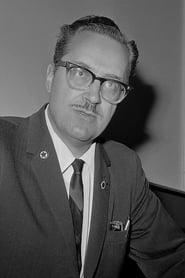
Forrest J. Ackerman
Forrest J. Ackerman
Himself
Forrest J. Ackerman
Himself
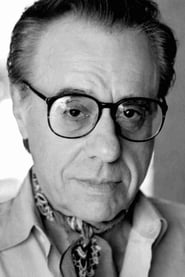
Peter Bogdanovich
Peter Bogdanovich
Himself
Peter Bogdanovich
Himself
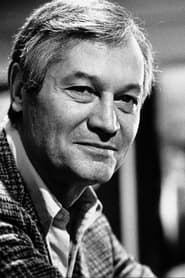
Roger Corman
Roger Corman
Himself
Roger Corman
Himself
David F. Friedman
David F. Friedman
Himself
David F. Friedman
Himself
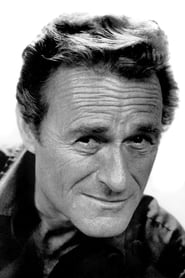
Dick Miller
Dick Miller
Himself
Dick Miller
Himself
Harry H. Novak
Harry H. Novak
Himself
Harry H. Novak
Himself
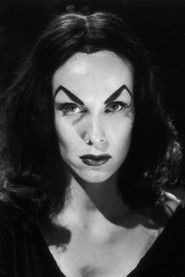
Maila Nurmi
Maila Nurmi
Herself
Maila Nurmi
Herself

Doris Wishman
Doris Wishman
Herself
Doris Wishman
Herself
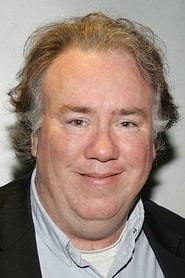
F. X. Feeney
F. X. Feeney
Himself
F. X. Feeney
Himself
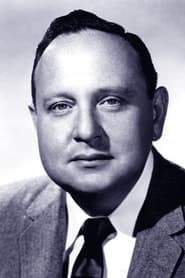
Samuel Z. Arkoff
Samuel Z. Arkoff
Himself
Samuel Z. Arkoff
Himself
Similar Movies
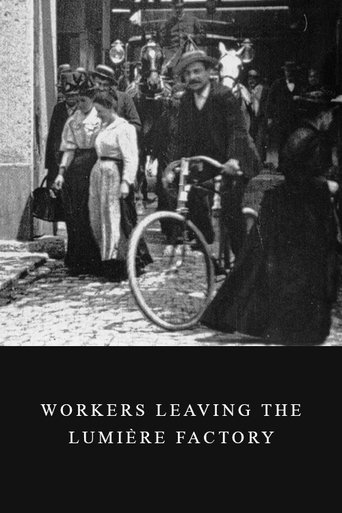
Working men and women leave through the main gate of the Lumière factory in Lyon, France. Filmed on 22 March 1895, it is often referred to as the first real motion picture ever made, although Louis Le Prince's 1888 Roundhay Garden Scene pre-dated it by seven years. Three separate versions of this film exist, which differ from one another in numerous ways. The first version features a carriage drawn by one horse, while in the second version the carriage is drawn by two horses, and there is no carriage at all in the third version. The clothing style is also different between the three versions, demonstrating the different seasons in which each was filmed. This film was made in the 35 mm format with an aspect ratio of 1.33:1, and at a speed of 16 frames per second. At that rate, the 17 meters of film length provided a duration of 46 seconds, holding a total of 800 frames.
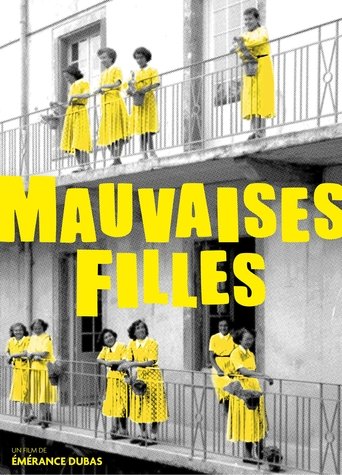
Disobedients, rebels, misunderstoods or simply unpopulars. As many other french women, Édith, Michèle, Éveline and Fabianne had been put in a juvenile detention center during their teenage years. Nowadays, with an incredible strength, each of them relate their story, and unveil the deeply moving fate lived by these « bad girls » until the late 70's.
Tour of the White House with Mrs. John F. Kennedy was a television special featuring the First Lady of the United States, Jacqueline Kennedy on a tour of the recently renovated White House. It was broadcast on Valentine's Day, February 14, 1962, on both CBS and NBC, and broadcast four days later on ABC. The program was the first ever First Lady televised tour of the White House, and has since been considered the first prime-time documentary specifically designed to appeal to a female audience.
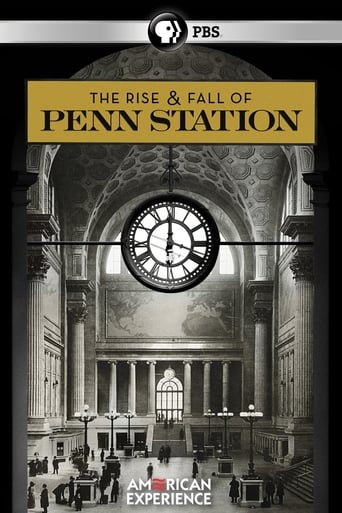
In 1910, the Pennsylvania Railroad successfully accomplished the enormous engineering feat of building tunnels under New York City's Hudson and East Rivers, connecting the railroad to New York and New England, knitting together the entire eastern half of the United States. The tunnels terminated in what was one of the greatest architectural achievements of its time, Pennsylvania Station. Penn Station covered nearly eight acres, extended two city blocks, and housed one of the largest public spaces in the world. But just 53 years after the station’s opening, the monumental building that was supposed to last forever, to herald and represent the American Empire, was slated to be destroyed.

Ireland, June 1944. The crucial decision about the right time to start Operation Overlord on D-Day comes to depend on the readings taken by Maureen Flavin, a young girl who works at a post office, used as a weather station, in Blacksod, in County Mayo, the westernmost promontory of Europe, far from the many lands devastated by the iron storms of World War II.
Sylvia Kristel – Paris is a portrait of Sylvia Kristel , best known for her role in the 1970’s erotic cult classic Emmanuelle, as well as a film about the impossibility of memory in relation to biography. Between November 2000 and June 2002 Manon de Boer recorded the stories and memories of Kristel. At each recording session she asked her to speak about a city where Kristel has lived: Paris, Los Angeles, Brussels or Amsterdam; over the two years she spoke on several occasions about the same city. At first glance the collection of stories appears to make up a sort of biography, but over time it shows the impossibility of biography: the impossibility of ‘plotting’ somebody’s life as a coherent narrative.