

Slowly Forgetting Your Faces
Documentary
Overview
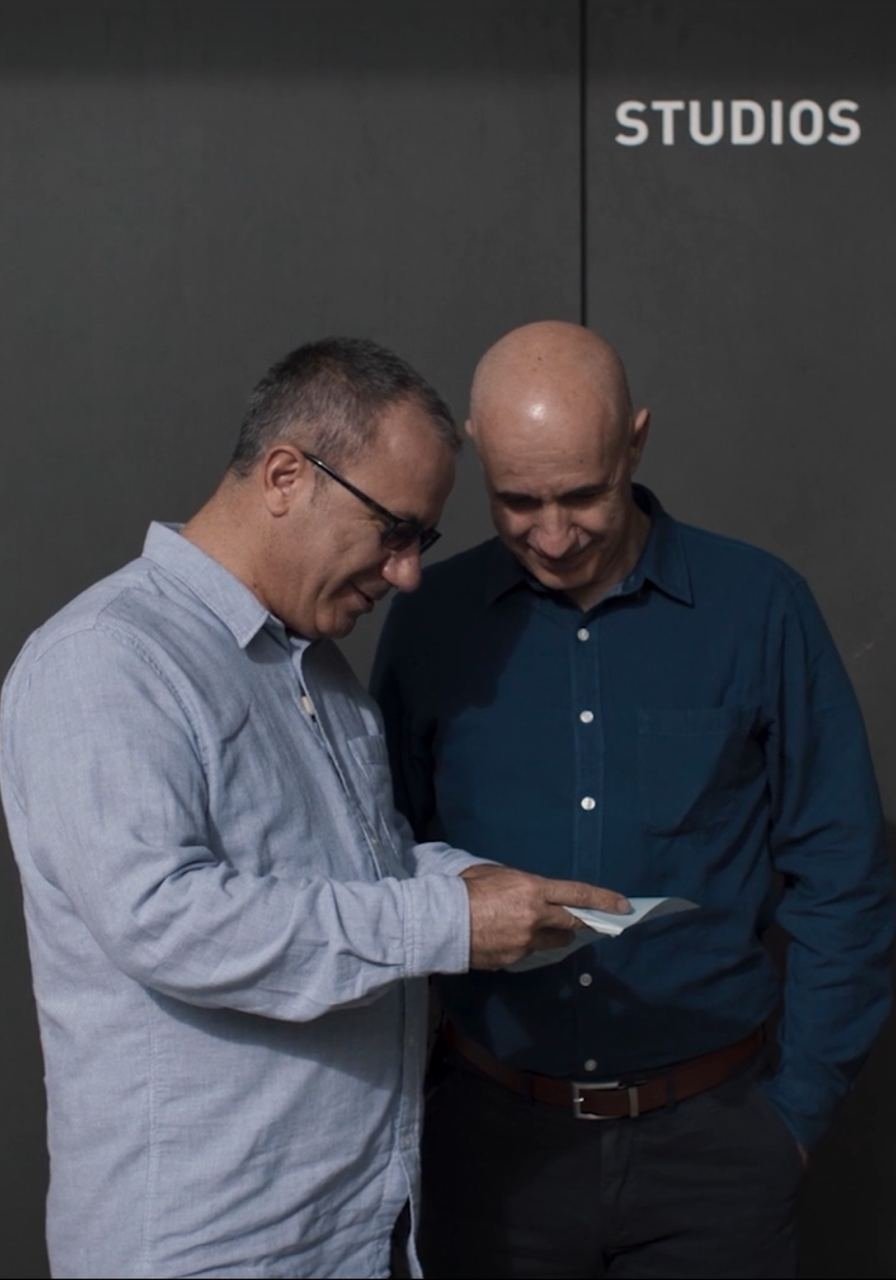
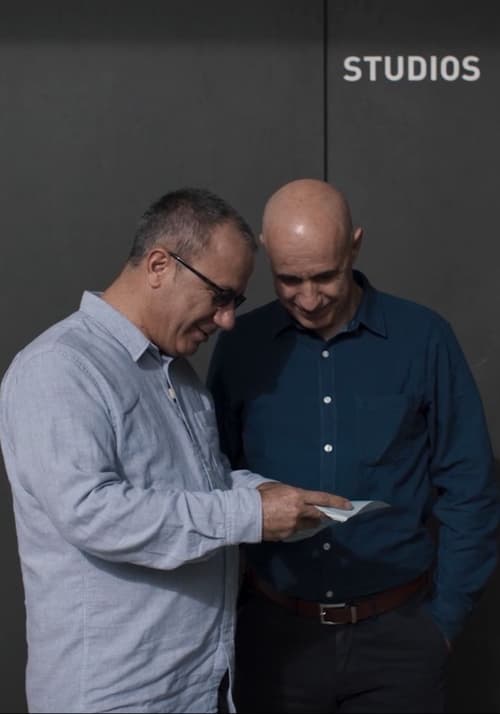
Two men, the hint of a sofa corner and a pile of letters. Using minimalist means, the film tells the story of two brothers caught between exile in a foreign country and resistance in the underground. It takes us back to the time when the revolution seized power in Iran and tells of life between the fronts. Daniel Asadi Faezi sketches the story of his father and his brothers - based on correspondence that has lain in the cellar for 30 years.



No cast information.
Similar Movies

A newly expanded version of the original Grace documentary, featuring new interviews with band members and producer Andy Wallace as well as unseen footage of Jeff and the band at Bearsville Studio recording Grace. Included in Grace (Legacy Edition), a newly remastered version of the album.
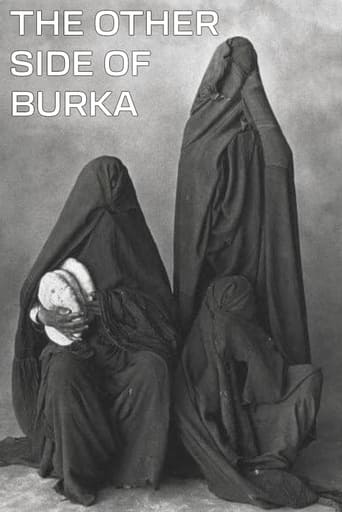
The Other Side of Burka is a 2004 Iranian documentary directed by Mehrdad Oskouei. In the southern island of Qeshm, Iran, which is a very strict region in point of tradition and African-Arabic rules, all women are under the pressure of patriarch society. Their sufferance is manifested by different mental (Zar, Possession) and physical diseases which must be only treated by Zar Ceremony. For the first time, despite the danger these women face, this film tells us the sad story of their life and shows their confection in front of the camera. It tries to be an honest mirror which reflects their sufferance and unveils their Burka to reveal their real characters.
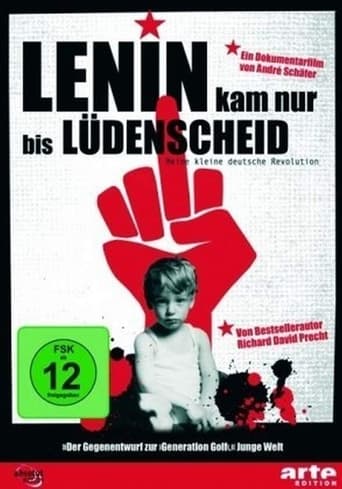
The free, almost naive view from the perspective of a child puts the "68ers" in a new, illuminating light in the anniversary year 2008. The film is a provocative reckoning with the ideological upbringing that seemed so progressive and yet was suffocated by the children's desire to finally grow up. With an ironic eye and a feuilletonistic style, author Richard David Precht and Cologne documentary film director André Schäfer trace a childhood in the West German provinces - and place the major events of those years in completely different, smaller and very private contexts.
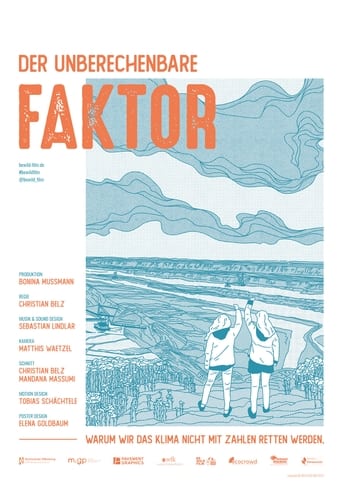
In today's climate debate, there is only one factor that cannot be calculated in climate models - humans. How can we nevertheless understand our role in the climate system and manage the crisis? Climate change is a complex global problem. Increasingly extreme weather events, rising sea levels, and more difficult living conditions - including for us humans - are already the order of the day. Global society has never faced such a complex challenge. For young people in particular, the frightening climate scenarios will be a reality in the future. For the global south, it is already today. To overcome this crisis, different perspectives are needed. "THE UNPREDICTABLE FACTOR" goes back to the origins of the German environmental movement, accompanies today's activists in the Rhineland in their fight against the coal industry and gives a voice to scientists from climate research, ethnology and psychology.