



Documentary
Overview
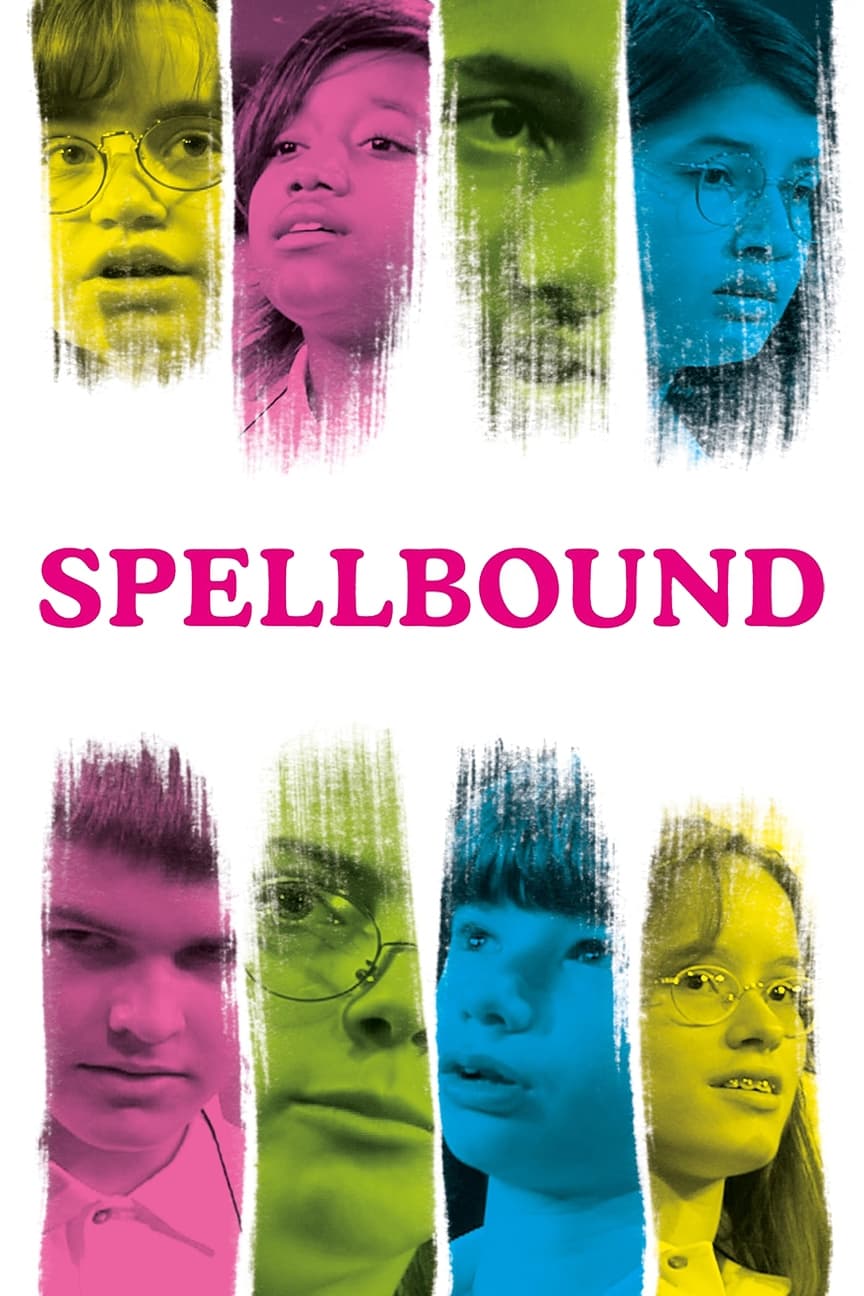
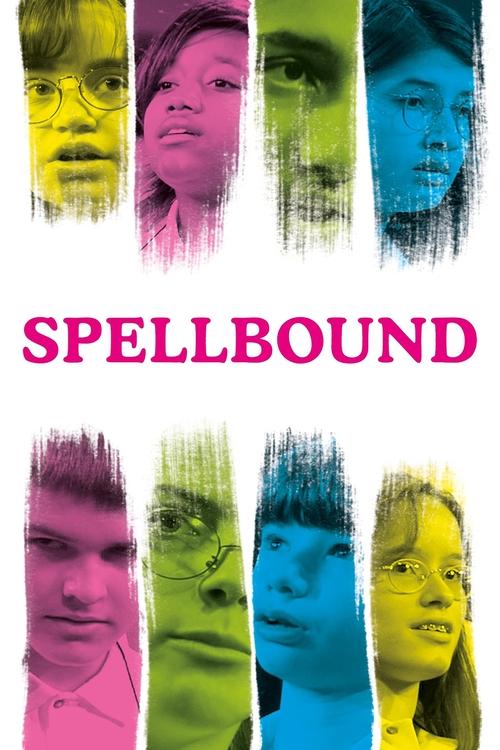
This documentary follows 8 teens and pre-teens as they work their way toward the finals of the Scripps Howard national spelling bee championship in Washington D.C.



No cast information.
Similar Movies
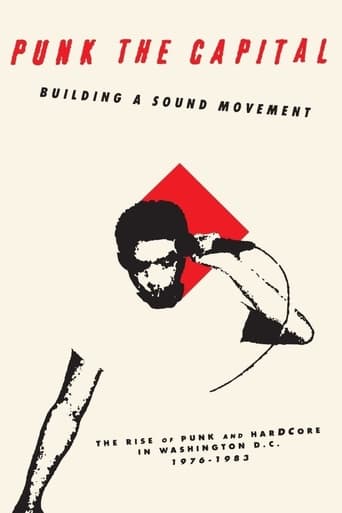
An in-depth exploration of a seminal moment in DC music history (circa 1976 to 1984) and the rise of harDCore. The film is made up of a mix of rare archive material, conversational interviews, and a collage editing style. Features early DC punk and hardcore bands like Bad Brains, Minor Threat, Slickee Boys, The Faith and more.
Tour of the White House with Mrs. John F. Kennedy was a television special featuring the First Lady of the United States, Jacqueline Kennedy on a tour of the recently renovated White House. It was broadcast on Valentine's Day, February 14, 1962, on both CBS and NBC, and broadcast four days later on ABC. The program was the first ever First Lady televised tour of the White House, and has since been considered the first prime-time documentary specifically designed to appeal to a female audience.

The PlayStation Revolution is an independent documentary feature film that uncovers the incredible story behind the creation of the Sony PlayStation. It is an essential watch for anyone interested in video games and the history of the biggest entertainment industry on earth. The film investigates why Sony decided to enter the video games business, when it was already dominated by both Nintendo and Sega, who not only produced their own hardware but made and published fantastic games. To compete, Sony would not only have to design and build a new piece of hardware, but they would have to find a way to persuade the game development industry to take a chance and develop games for it long before it even came out!
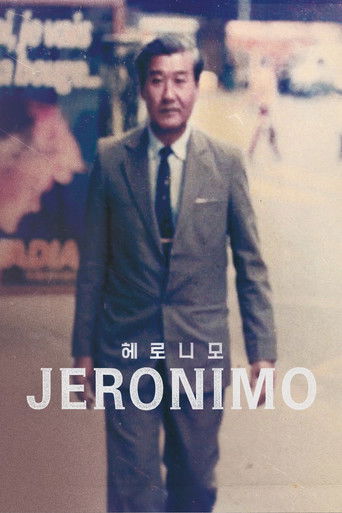
Born to Korean immigrant parents freed from indentured servitude in early twentieth century Mexico, Jerónimo Lim Kim joins the Cuban Revolution with his law school classmate Fidel Castro and becomes an accomplished government official in the Castro regime, until he rediscovers his ethnic roots and dedicates his later life to reconstructing his Korean Cuban identity. After Jerónimo's death, younger Korean Cubans recognize his legacy, but it is not until they are presented with the opportunity to visit South Korea that questions about their mixed identity resurface.