

Rug
Documentary
Overview
In this guided tour of a unique Persian carpet, a close-up of the delicate "spine" of a tree branches out into the discovery of a fantastical world.



No cast information.
Similar Movies
Born from war and shaped by conflict, the Lebanese resistance has endured decades of battles, invasions, and geopolitical shifts. This documentary traces its rise, its defining moments, and the sacrifices that kept it standing. But with the region in turmoil and Syria fallen and one question remains—how much longer can the resistance hold its ground?
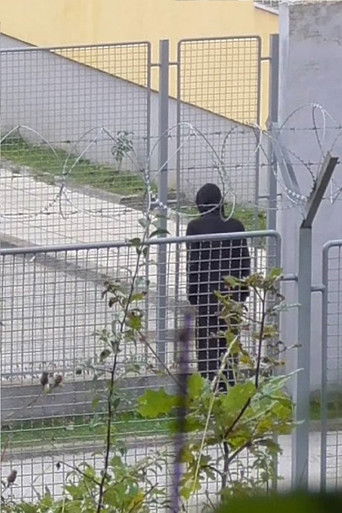
In september 2017 Samira comes from Iran to Sarajevo, BH for the first time to shoot a documentary. She tries to connect with the country and people. In order to find people who traveled from far places like her, she attempts to visit a refugee center, but all she finds are closed gates as she isn't allowed to see anyone.
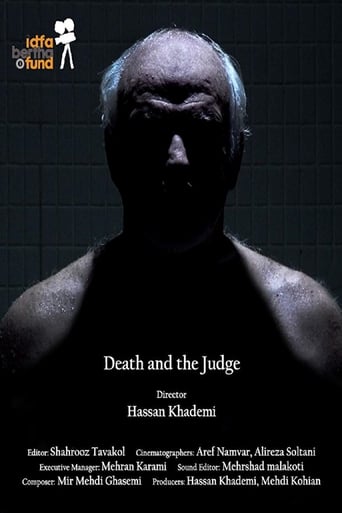
The documentary, " Death and the Judge", revolves around Iran's most famous criminal judge, Azizmohammadi. He served as a criminal judge for 45 years and issued about 4500 death sentences; a record in not only Iran, but also the world. This documentary looks into his personal and professional life as he is followed within his home with his family, in the court of law, and in his retirement days. The ultimate purpose of the documentary is to deduce the role of death in the judge's life as he either takes life away from criminals or death comes to his loved ones. During his retirement, he is once again given the choice between the life and death of a person, despite no longer being a judge.
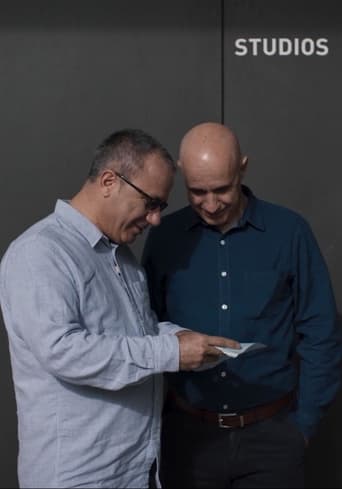
Two men, the hint of a sofa corner and a pile of letters. Using minimalist means, the film tells the story of two brothers caught between exile in a foreign country and resistance in the underground. It takes us back to the time when the revolution seized power in Iran and tells of life between the fronts. Daniel Asadi Faezi sketches the story of his father and his brothers - based on correspondence that has lain in the cellar for 30 years.
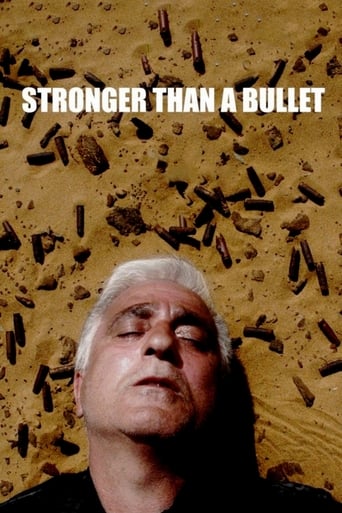
Iran, January 16th, 1979. Shah Mohammad Reza Pahlavi flees after being overthrown. Ayatollah Khomeini returns to Tehran and proclaims the Islamic Republic on April 1st, 1979. In the same year, Saddam Hussein seizes power in Iraq and, after several border skirmishes, attacks Iran on September 22nd, 1980, initiating a cruel war that will last eight years. Since its outbreak, correspondent Saeid Sadeghi documented it from its beginning to its bitter end.

Fanizadeh documentary is about the famous actor of Iranian cinema Parviz Fanizadeh. This documentary film deals with his life and works. This documentary is based on the talks of characters from theater and cinema who worked directly with him. Among them there are Taghvai, Mehrjoui, Golestan, Kimiaiee, Nosrat Karimi, Behrouz vosoughi, Pari Saberi, etc.
Stuck in a creative rut, filmmaker Gilda Pourjabar returns to Iran, her homeland, to talk with her brother Siamak, an illustrator based in Tehran. This encounter raises questions about their relationship to Western popular art, as they grew up in a culture that the current political regime describes as “westoxicated.” This documentary uses playful animations by Siamak, inspired by Franco-Belgian comics and rock concert posters, superimposed on archival footage of the most recent popular uprisings in Iran to become a logical collaboration for these artists who shared a record collection as children. Together, they examine how art slips through the cracks of repression to light the rebellious sparks in the hearts of young people.
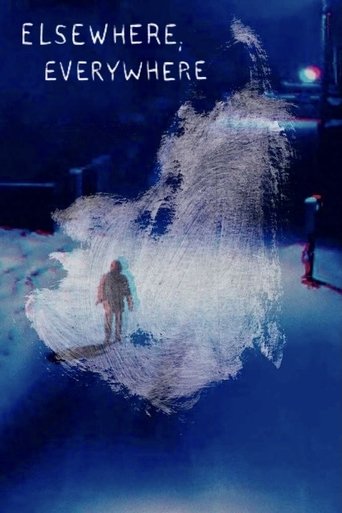
A computer screen, images from the four corners of the world. We cross borders in one-click while another trip’s story reach us in bits, through text messages, chats, phone conversations, and an immigration office’s questionnaire. It’s the journey of Shahin, a 20-year-old Iranian boy who, fleeing his country alone, lands in Greece, then winds his way to England where he claims asylum.
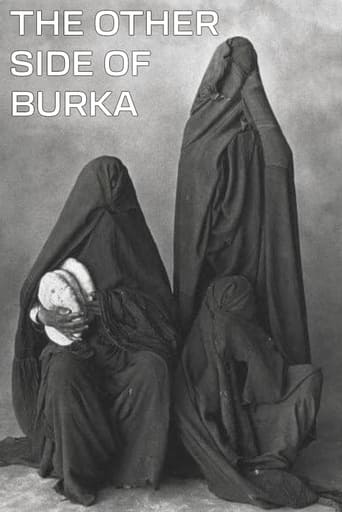
The Other Side of Burka is a 2004 Iranian documentary directed by Mehrdad Oskouei. In the southern island of Qeshm, Iran, which is a very strict region in point of tradition and African-Arabic rules, all women are under the pressure of patriarch society. Their sufferance is manifested by different mental (Zar, Possession) and physical diseases which must be only treated by Zar Ceremony. For the first time, despite the danger these women face, this film tells us the sad story of their life and shows their confection in front of the camera. It tries to be an honest mirror which reflects their sufferance and unveils their Burka to reveal their real characters.