

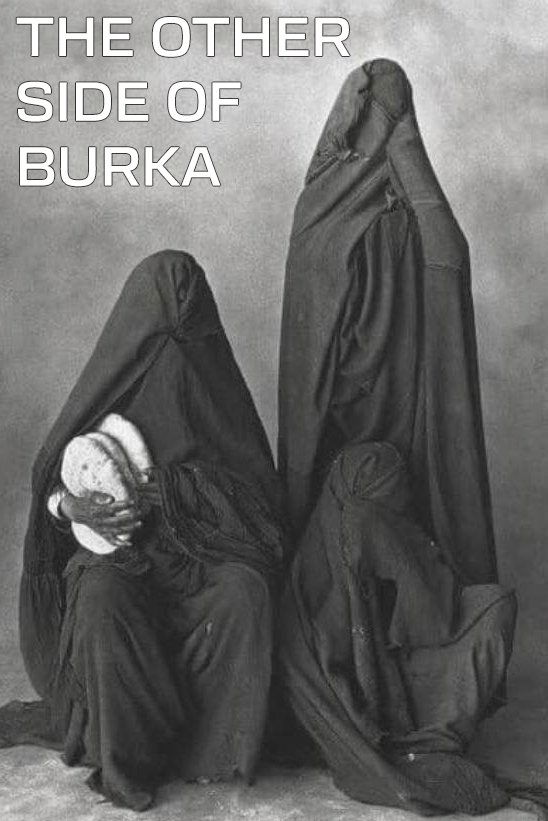
The Other Side of Burka
Documentary
Overview
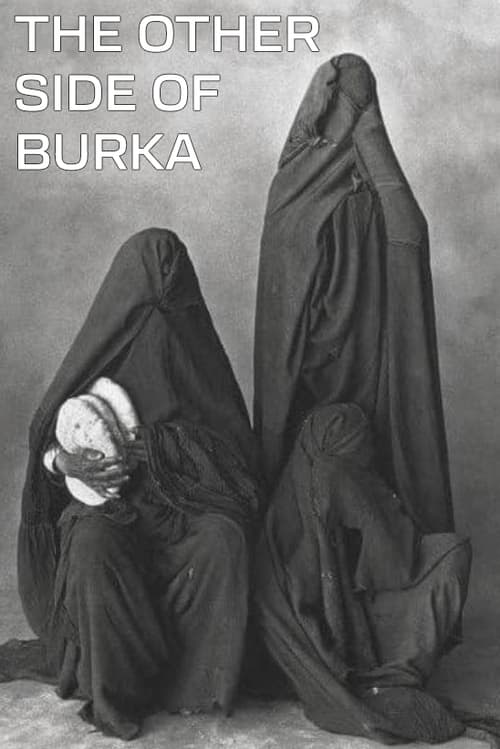
The Other Side of Burka is a 2004 Iranian documentary directed by Mehrdad Oskouei. In the southern island of Qeshm, Iran, which is a very strict region in point of tradition and African-Arabic rules, all women are under the pressure of patriarch society. Their sufferance is manifested by different mental (Zar, Possession) and physical diseases which must be only treated by Zar Ceremony. For the first time, despite the danger these women face, this film tells us the sad story of their life and shows their confection in front of the camera. It tries to be an honest mirror which reflects their sufferance and unveils their Burka to reveal their real characters.




No cast information.
Similar Movies
Iran, January 16th, 1979. Shah Mohammad Reza Pahlavi flees after being overthrown. Ayatollah Khomeini returns to Tehran and proclaims the Islamic Republic on April 1st, 1979. In the same year, Saddam Hussein seizes power in Iraq and, after several border skirmishes, attacks Iran on September 22nd, 1980, initiating a cruel war that will last eight years. Since its outbreak, correspondent Saeid Sadeghi documented it from its beginning to its bitter end.
"Slaughter" is an experimental short film that delves into the archival and historical footage of the Iranian Revolution in 1979, depicting a symbolic narrative surrounding the ritualistic act of animal sacrifice, known as "Besmel." It serves as an allegorical representation of a nation's sacrifice amidst the backdrop of political transformations.
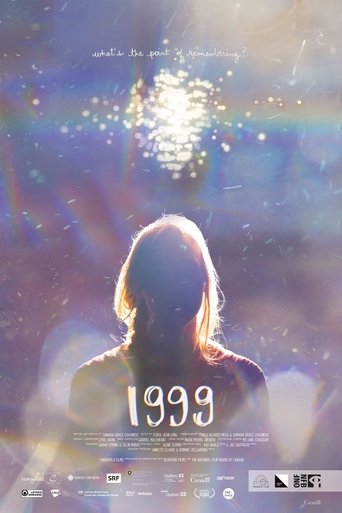
In the late 1990s, Moncton's Acadian community was forever marked when death struck an high school. In a sweet impressionist film, Samara returns to the city she fled as a teenager to immerse herself in memories that are still buried there, in various places and in dusty boxes containing diaries, photos and VHS tapes. 1999 is not a ghost story, although it is populated by ghosts. The snow-covered streets, corridors and locker rooms of the school are intact, as in a dream, but the absence left by the wave of teenage suicides still resonates with unanswered questions, trauma and regret. Samara meets inspiring people who carry with them great pain and who, 16 years later, can finally comfort each other by breaking a long silence. In the end, the film interweaves different voices and gives rise to a collective reflection on the internalization of mourning and the need to learn to affirm one's desire to survive.
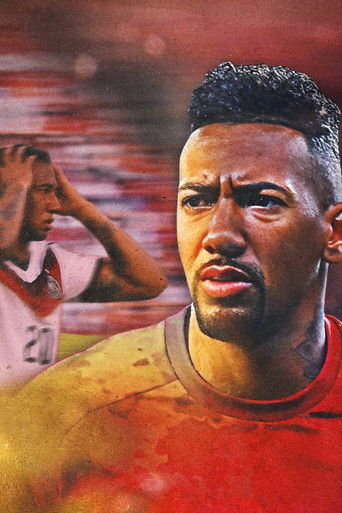
“Being Jérôme Boateng” tells the story of a soccer world champion between triumph and downfall. From the soccer field to the 2014 World Cup title, from celebrated symbol of integration to convicted perpetrator of intentional bodily harm against his ex-partner. The documentary series looks behind the façade of professional soccer—a system that produces heroes but neglects people. It also addresses the question of how a soccer player is stylized into a role model by the media and society and burdened with excessive expectations. Boateng's story is thus also one of false projections that encourages us to reflect on our treatment of and longing for sports idols: What do we want to see in them? Do soccer players have to be heroes?
A computer screen, images from the four corners of the world. We cross borders in one-click while another trip’s story reach us in bits, through text messages, chats, phone conversations, and an immigration office’s questionnaire. It’s the journey of Shahin, a 20-year-old Iranian boy who, fleeing his country alone, lands in Greece, then winds his way to England where he claims asylum.
The film documents modern slave trade through a number of African countries, under dictatorship rule. The filming was conducted both in public places, and sometimes with the use of hidden cameras, for high impact scenes of nudity, sex, and violence - and a few surprises, as slaves made out of peregrins to Asia, and slave traders paid in traveller checks.
In 1999, 11-year-old Nisha Platzer lost her older brother, Josh, to suicide. Twenty years later, her search for a specialized medical treatment leads her to the door of someone who was once exceptionally close to Josh. And so it is that she finally has the chance to truly know her brother through his chosen family. Captured over five years in which synchronicities continually manifested, Platzer’s documentation of these encounters gently asserts that both grieving and healing are meant to be communal experiences.