

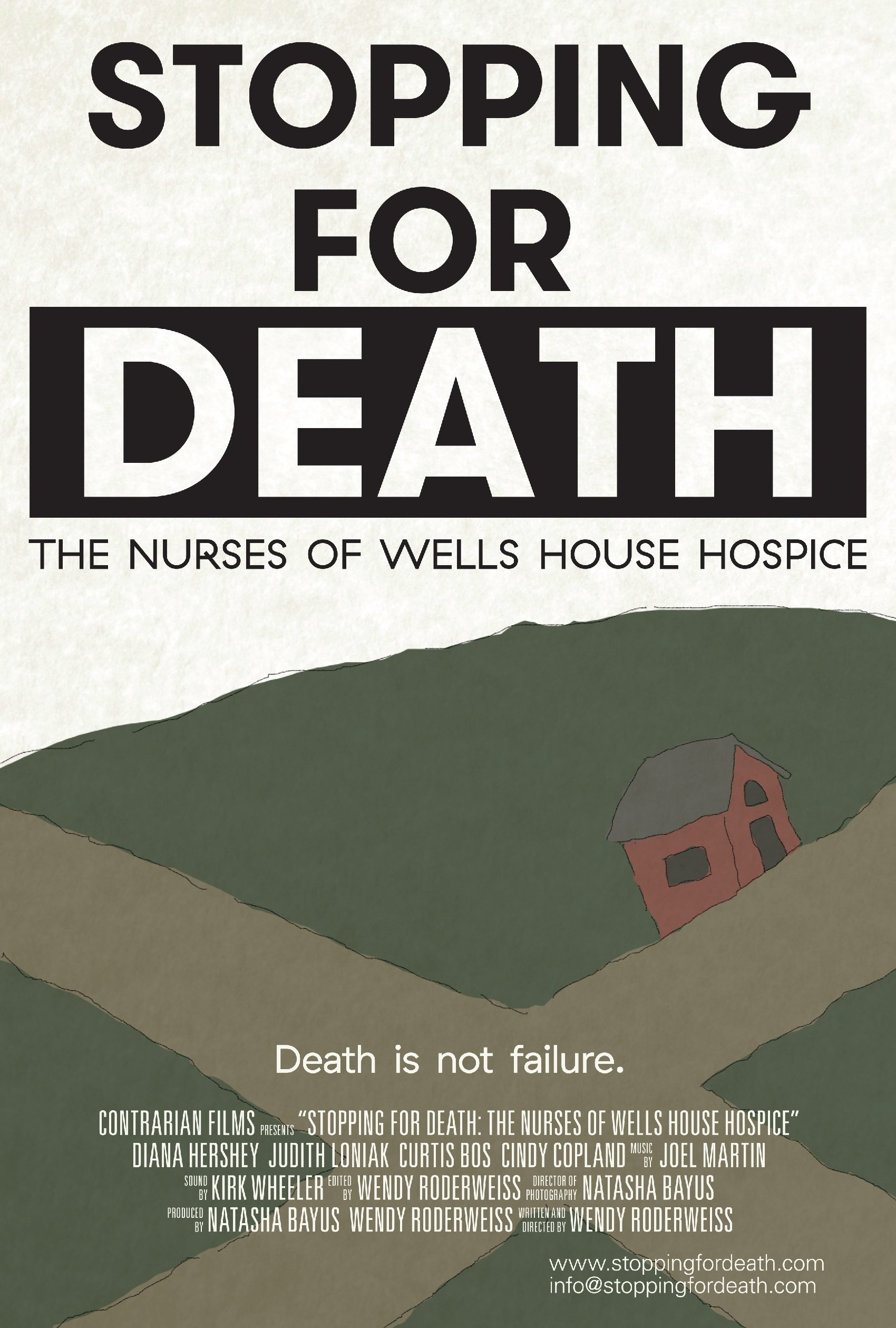
Stopping for Death: The Nurses of Wells House Hospice
Documentary
Overview
A year following four hospice nurses who question their calling as they face emotional distress, financial hardships and the possible closure of their facility.




















No cast information.
Similar Movies
An Italian cruise ship carrying passengers from all over the world is hijacked off the coast of Egypt by a Palestinian commando unit. It is the beginning of a three-day ordeal in 1985 that culminates in the murder of an American hostage and an armed clash between two NATO allies to capture his killers.
In their vehicle, Laurie, Kristy and Linda live alone on the American roads. Like thousands of modern American nomads who can no longer afford to pay for their housing. With no money to spare, these three sixty-year old women are fleeing, in their own way, a part of their history that has left a deep mark on them. Driving away, they try to regain some form of peace. But as the miles and seasons pass, despite their impressive temerity and resilience, their quest for a better future is challenged by unexpected events that hit a country in crisis. Will they nevertheless manage, at the end of the road, to find the serenity they are looking for, in order to become someone again?
On September 11, 2001, the unimaginable transpired when devastating attacks on the World Trade Center forced the shutdown of the entire U.S. airspace. Thousands of kilometres away in Gander, Newfoundland, a group of Nav Canada air traffic controllers suddenly had the lives of 33,000 people in their hands and had to think fast to find a place for them to go. Discovery uncovers how these unsung heroes managed to safely land 224 planes in four hours, without incident.
A New Understanding explores the treatment of end-of-life anxiety in terminally ill cancer patients using psilocybin, a psychoactive compound found in some mushrooms, to facilitate deeply spiritual experiences. The documentary explores the confluence of science and spirituality in the first psychedelic research studies since the 1970s with terminally ill patients. As a society we devote a great deal of attention to treating cancer, but very little to treating the human being who is dying of cancer.