

1970
Documentary · Animation · History
Overview
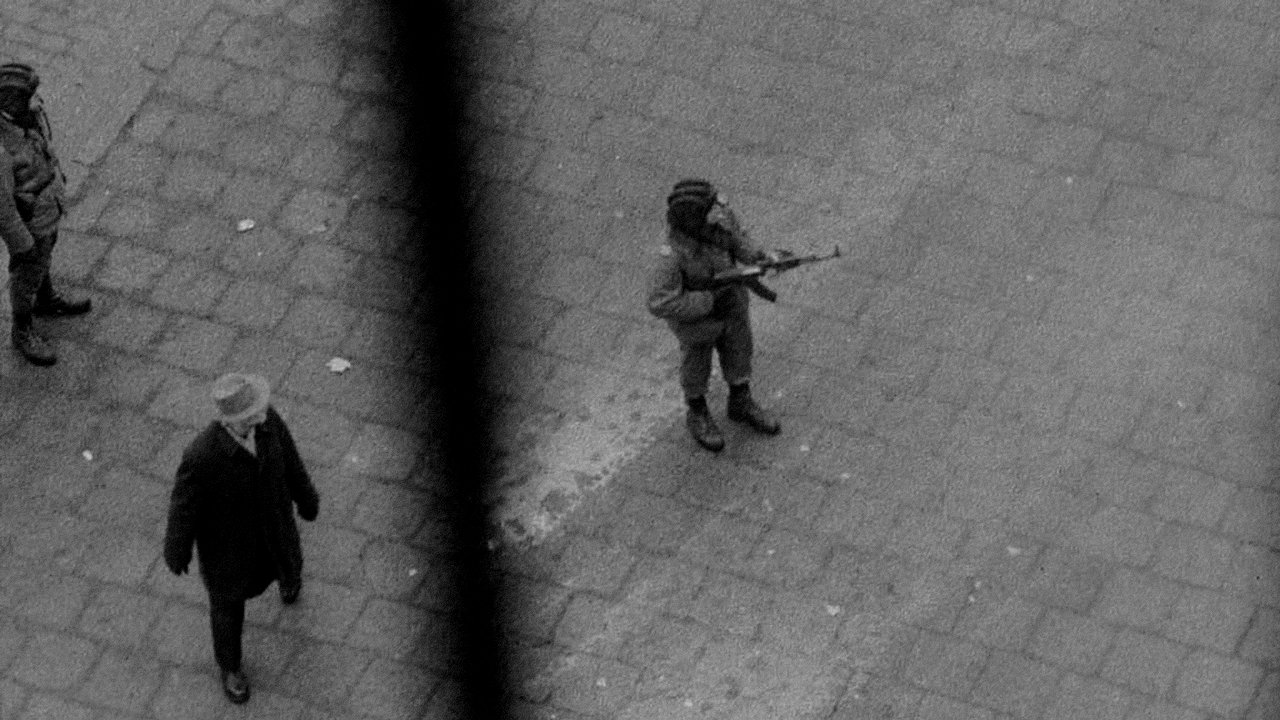
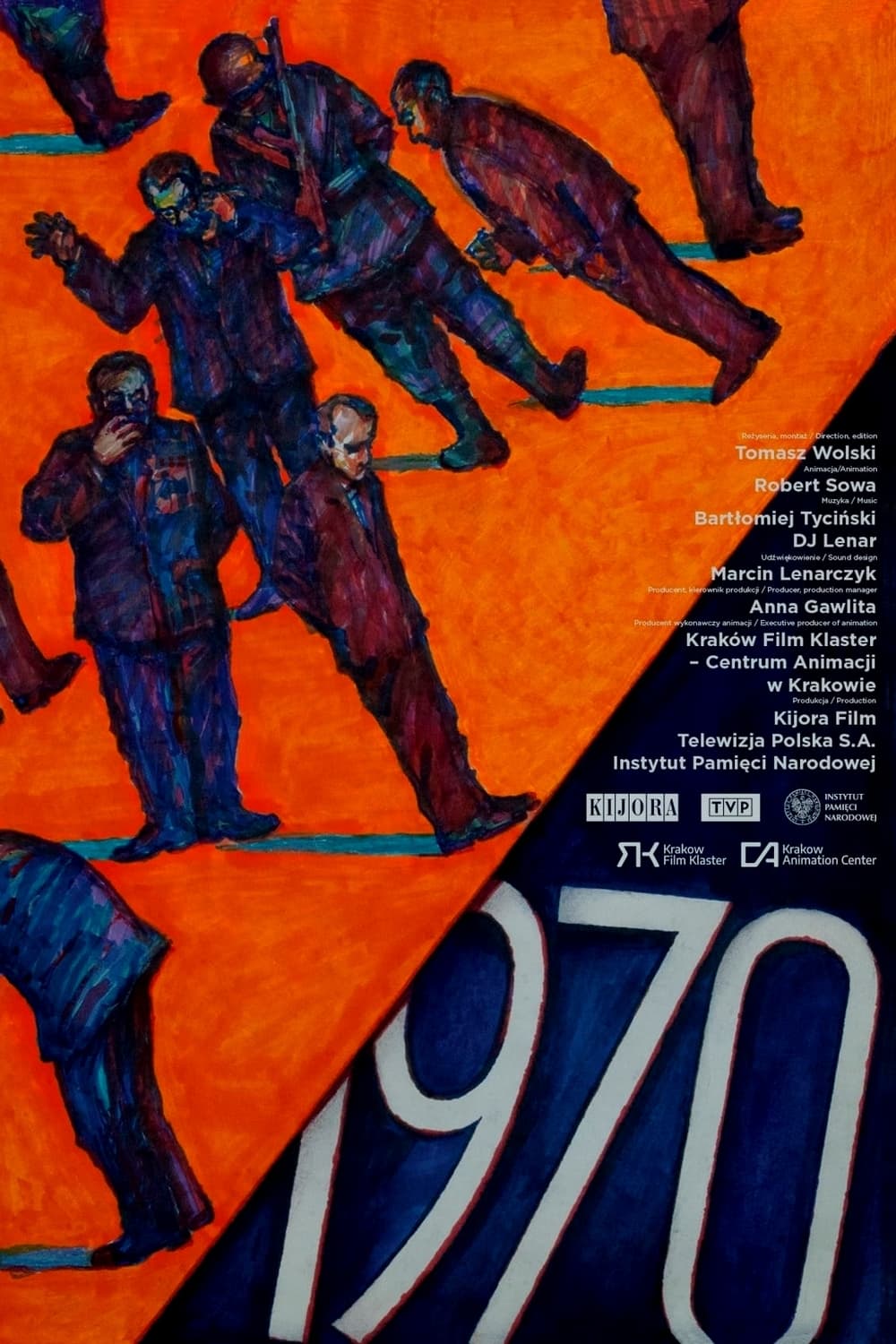
Poland, 1970. When popular protests erupt in the streets due to rising prices, the communist government organizes a crisis team. Soon after, the police use their truncheons and then their firearms. The story of a rebellion from the point of view of the oppressors.
Top Cast






Kazimierz Świtała
Kazimierz Świtała
Self (voice) (archive footage)
Kazimierz Świtała
Self (voice) (archive footage)
Tadeusz Pietrzak
Tadeusz Pietrzak
Self (voice) (archive footage)
Tadeusz Pietrzak
Self (voice) (archive footage)
Ryszard Matejewski
Ryszard Matejewski
Self (voice) (archive footage)
Ryszard Matejewski
Self (voice) (archive footage)
Czesław Kiszczak
Czesław Kiszczak
Self (voice) (archive footage)
Czesław Kiszczak
Self (voice) (archive footage)
Zdzisław Żandarowski
Zdzisław Żandarowski
Self (voice) (archive footage)
Zdzisław Żandarowski
Self (voice) (archive footage)
Stanisław Kończewicz
Stanisław Kończewicz
Self (voice) (archive footage)
Stanisław Kończewicz
Self (voice) (archive footage)
Józef Cyrankiewicz
Józef Cyrankiewicz
Self (archive footage)
Józef Cyrankiewicz
Self (archive footage)
Similar Movies
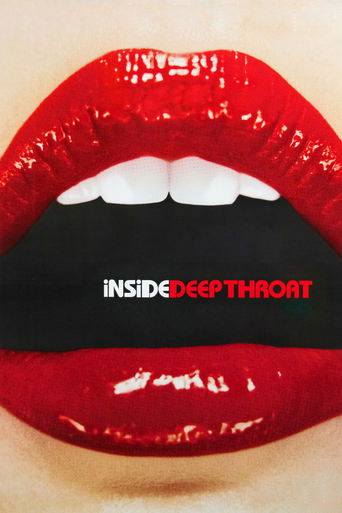
In 1972, a seemingly typical shoestring budget pornographic film was made in a Florida hotel: "Deep Throat," starring Linda Lovelace. This film would surpass the wildest expectation of everyone involved to become one of the most successful independent films of all time. It caught the public imagination which met the spirit of the times, even as the self-appointed guardians of public morality struggled to suppress it, and created, for a brief moment, a possible future where sexuality in film had a bold artistic potential. This film covers the story of the making of this controversial film, its stunning success, its hysterical opposition along with its dark side of mob influence and allegations of the on set mistreatment of the film's star.

The Polish city of Łódź was under Nazi occupation for nearly the entirety of WWII. The segregation of the Jewish population into the ghetto, and the subsequent horrors are vividly chronicled via newsreels and photographs. The narration is taken almost entirely from journals and diaries of those who lived–and died–through the course of the occupation, with the number of different narrators diminishing as the film progresses, symbolic of the death of each narrator.
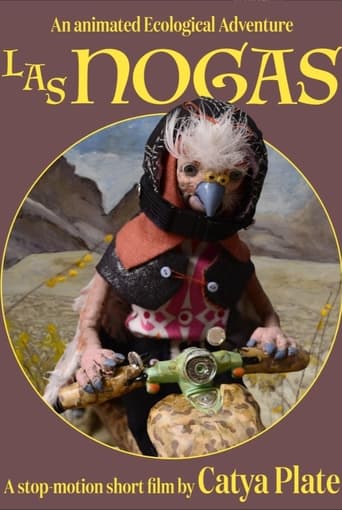
500 years into the future, the earth is a dry wasteland destroyed by humans. Doctor Alma, a fluffy, brilliant Vulkeet (a cross between a parakeet and vulture) who drives a Vespa, must cure the only creatures left who can save the world by bringing back the rain - the bizarre and loveable Homeys who have fallen ill with a mysterious sickness.
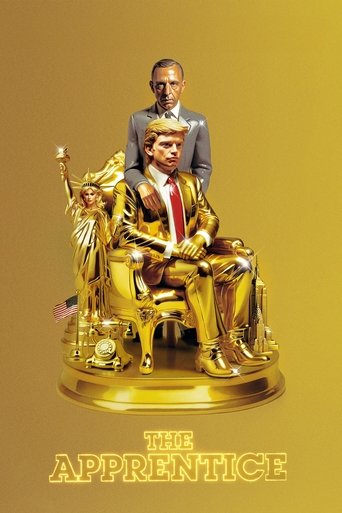
A young Donald Trump, eager to make his name as a hungry scion of a wealthy family in 1970s New York, comes under the spell of Roy Cohn, the cutthroat attorney who would help create the Donald Trump we know today. Cohn sees in Trump the perfect protégé—someone with raw ambition, a hunger for success, and a willingness to do whatever it takes to win.
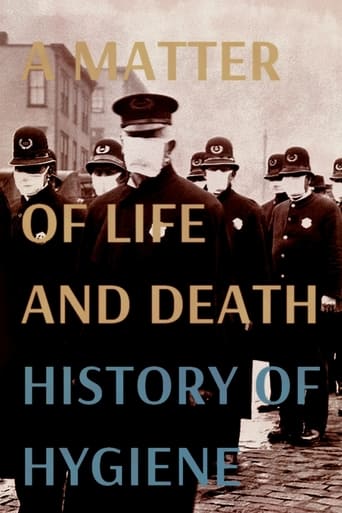
Hygienic habits are as old as the various human civilizations; but each era establishes its own customs: whether private or public, everywhere and at all times, methods of personal cleanliness have depended on cultural conventions, religious morals, political ideologies and economic interests; because the control of basic hygiene has also been and is one more tool in the infinite exercise of power over the masses.