

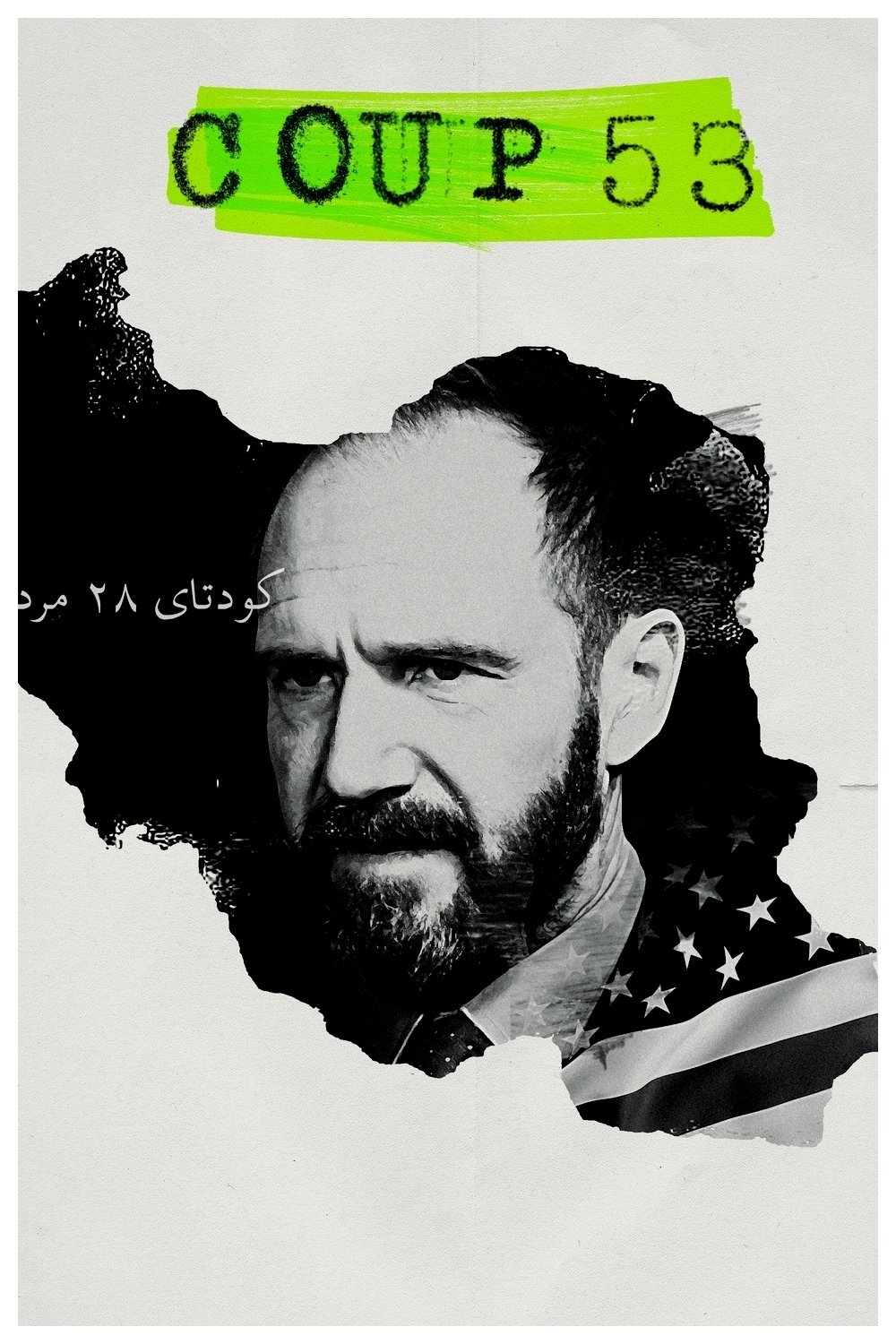
Coup 53
Documentary · History
Overview
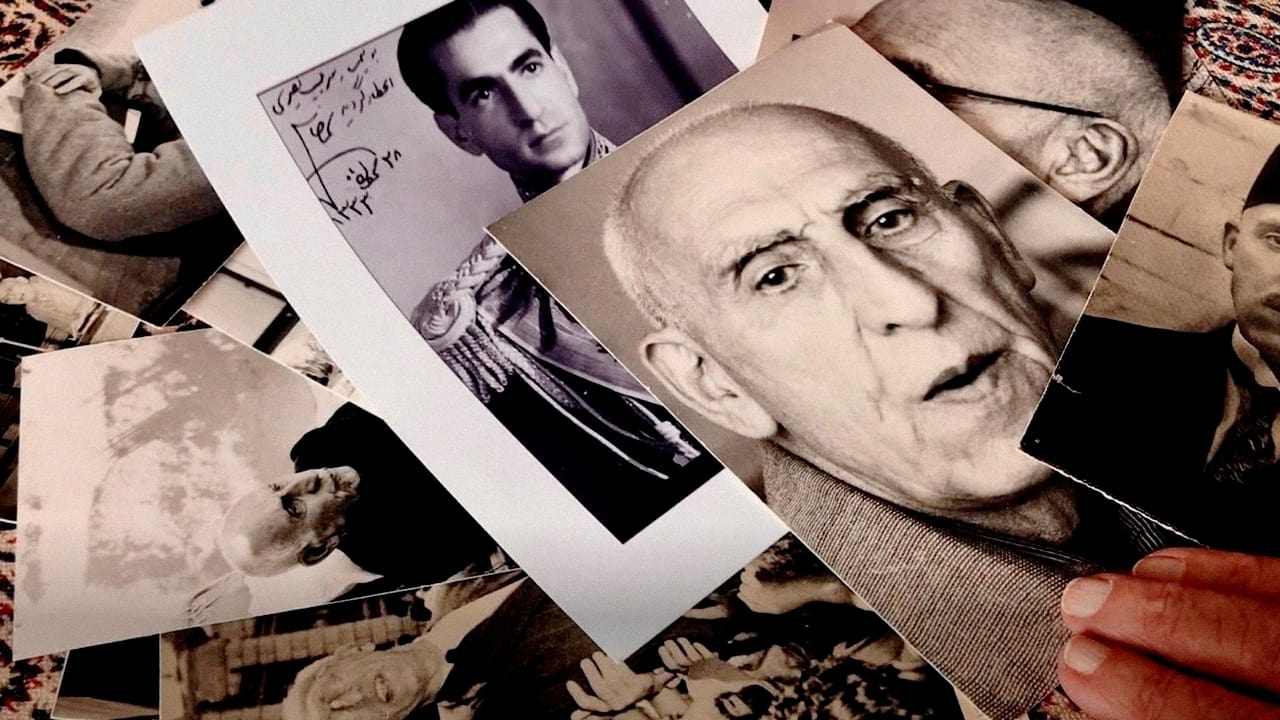
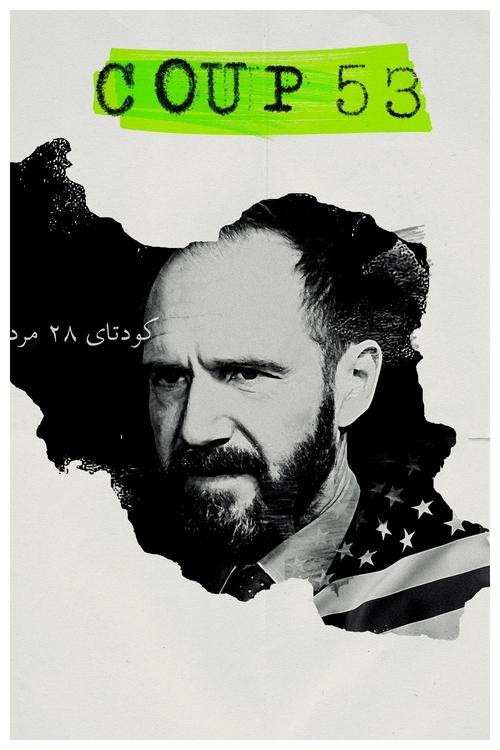
Tehran, Iran, August 19, 1953. A group of Iranian conspirators who, with the approval of the deposed tyrant Mohammad Reza Pahlavi, have conspired with agents of the British MI6 and the US CIA, manage to put an end to the democratic government led by Mohammad Mosaddegh, a dramatic event that will begin the tragic era of coups d'état that, orchestrated by the CIA, will take place, over the following decades, in dozens of countries around the world.
Top Cast
Ralph Fiennes
Self - Actor / Norman Darbyshire

Taghi Amirani
Self - Filmmaker
Farhad Diba
Self - Mossadegh's Nephew
Malcolm Byrne
Self - Researcher
Stephen Kinzer
Self - Writer

Walter Murch
Self - Film Editor
Ervand Abrahamian
Self - Writer
Alison Rooper
Self - End of Empire (1985) Researcher
David Owen
Self - Politician
Mark Anderson
Self - End of Empire (1985) Producer (voice)
Humphry Trevelyan
Self - End of Empire (1985) Cameraman
Chris Morphet
Self - Cameraman




Ralph Fiennes
Ralph Fiennes
Self - Actor / Norman Darbyshire
Ralph Fiennes
Self - Actor / Norman Darbyshire
Taghi Amirani
Taghi Amirani
Self - Filmmaker
Taghi Amirani
Self - Filmmaker
Farhad Diba
Farhad Diba
Self - Mossadegh's Nephew
Farhad Diba
Self - Mossadegh's Nephew
Malcolm Byrne
Malcolm Byrne
Self - Researcher
Malcolm Byrne
Self - Researcher
Stephen Kinzer
Stephen Kinzer
Self - Writer
Stephen Kinzer
Self - Writer
Walter Murch
Walter Murch
Self - Film Editor
Walter Murch
Self - Film Editor
Ervand Abrahamian
Ervand Abrahamian
Self - Writer
Ervand Abrahamian
Self - Writer
Alison Rooper
Alison Rooper
Self - End of Empire (1985) Researcher
Alison Rooper
Self - End of Empire (1985) Researcher
David Owen
David Owen
Self - Politician
David Owen
Self - Politician
Mark Anderson
Mark Anderson
Self - End of Empire (1985) Producer (voice)
Mark Anderson
Self - End of Empire (1985) Producer (voice)
Similar Movies
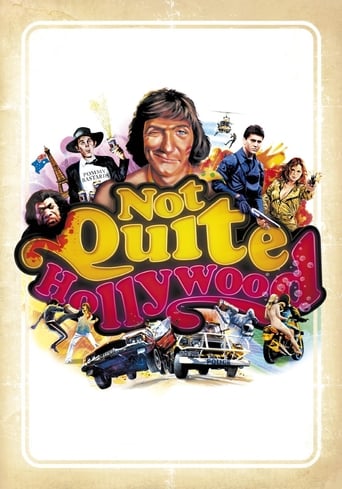
As Australian cinema broke through to international audiences in the 1970s through respected art house films like Peter Weir's "Picnic At Hanging Rock," a new underground of low-budget exploitation filmmakers were turning out considerably less highbrow fare. Documentary filmmaker Mark Hartley explores this unbridled era of sex and violence, complete with clips from some of the scene's most outrageous flicks and interviews with the renegade filmmakers themselves.
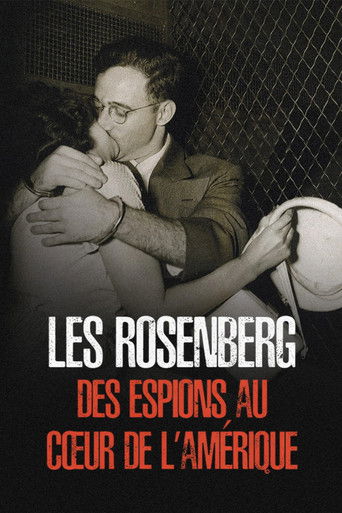
Based on testimony by Ethel’s brother, David Greenglass, the Rosenbergs are arrested by the FBI. The couple is accused of passing secret information about the atomic bomb to the USSR. Though the Rosenbergs maintain their innocence from the start, the media and public opinion seem to have condemned them from day one. The trial does nothing to change this and ends in a death sentence. On Friday June 19, 1953, Julius and Ethel Rosenberg are executed in the electric chair. Julius first, then Ethel. 30 years later, the truth finally comes out. Declassified FBI archives reveal that Ethel was not guilty of being a spy; she was merely married to one. Julius did indeed commit espionage for the Soviet Union, though primarily as a recruiter, nothing at all like the fictional James Bond. This documentary, made entirely of archival footage and animated illustrations, offers a tale of espionage as well as a complex family tragedy.
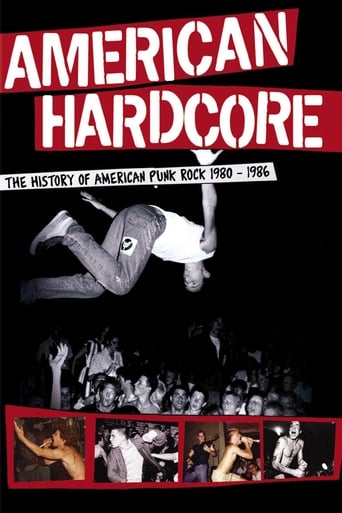
Inspired by Steven Blush's book "American Hardcore: A tribal history" Paul Rachman's feature documentary debut is a chronicle of the underground hardcore punk years from 1979 to 1986. Interviews and rare live footage from artists such as Black Flag, Bad Brains, Minor Threat, SS Decontrol and the Dead Kennedys.
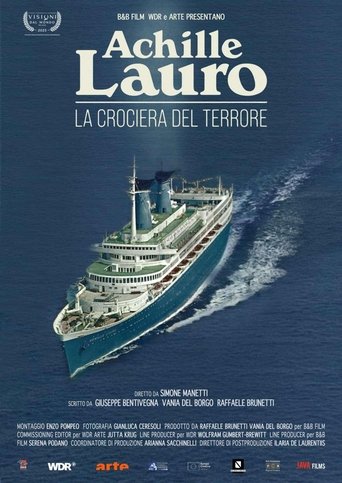
An Italian cruise ship carrying passengers from all over the world is hijacked off the coast of Egypt by a Palestinian commando unit. It is the beginning of a three-day ordeal in 1985 that culminates in the murder of an American hostage and an armed clash between two NATO allies to capture his killers.
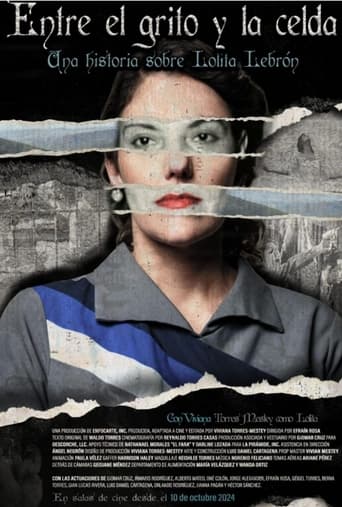
“Entre el grito y la celda” is a film adaptation of the theatrical monologue “Lolita", which has been performed locally and internationally for the past 11 years, with over 60 performances in 5 countries, 5 states in North America, and more than 40 municipalities in Puerto Rico. The story is set in late 1954, when political prisoner Lolita Lebrón had already been sentenced to 50 years in prison at the federal prison in Alderson, West Virginia, for leading an attack on the United States Congress. The film explores Lolita's life and patriotic thoughts through poetic language, intertwining her three most significant aspects: her fervent religiosity, her fight for justice from the perspective of a young woman and mother, and her patriotic bravery to risk her freedom for causes and values she firmly believed in. The movie highlights the themes of national identity and the struggles of a resilient woman who became, for many, the Mother of the Puerto Rican Nation.
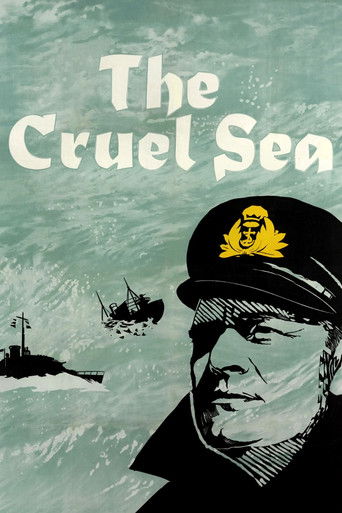
At the start of World War II, Cmdr. Ericson is assigned to convoy escort HMS Compass Rose with inexperienced officers and men just out of training. The winter seas make life miserable enough, but the men must also harden themselves to rescuing survivors of U-Boat attacks, while seldom able to strike back. Traumatic events afloat and ashore create a warm bond between the skipper and his first officer.