


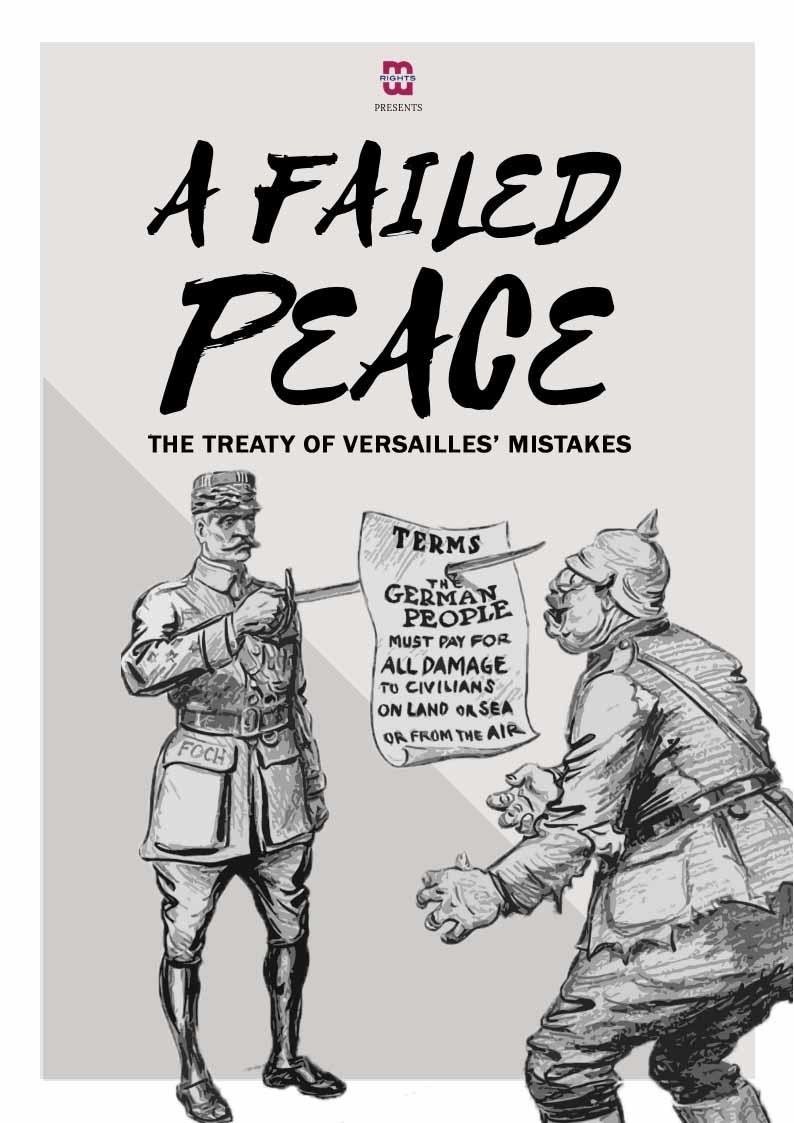
A Failed Peace, The Mistakes of The Treaty of Versailles
Documentary · History
Overview
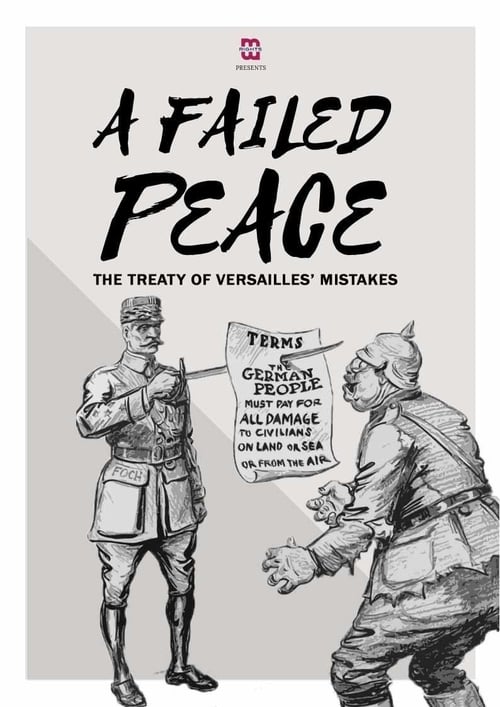
At the end of WWI, the treaty of Versailles established the conditions for peace in Europe. The aim for the victorious powers was to make Germany pay reparations, and to guarantee a future without war. Yet a decade later, the denunciation of 'Versailles' became a powerful lever for the nazis to obtain power as these reparations would mark the beginning of the humiliation of the German people, and nurture a feeling of having been bestowed a hopeless future. In the 20 years that follow the end of WWI, the issue of reparations and responsibility will effectively poison international relationship. The treaty negative impact goes well beyond WWII as the new European borders it implemented led to many conflicts during the twentieth century. This documentary shines a light on the causality between the decisions taken with the treaty of Versailles, and the ensuing events of the century.


No cast information.
Similar Movies
The crew of kontroll.hu traveled to Transcarpathia, Ukraine, to film among orphaned children in Munkács and lonely elders in Tiszakeresztúr. The documentary follows a single day in the life of Reverend József Sipos, a Reformed pastor whose calling extends far beyond the pulpit. From abandoned hospital wards to remote village homes, he brings words of comfort, food, and aid to those left behind in the shadow of the Russian–Ukrainian war. Just a mile and a half from the Hungarian border—a mile and a half from peace—the film reveals the stark reality of life lived on the very edge of hope.
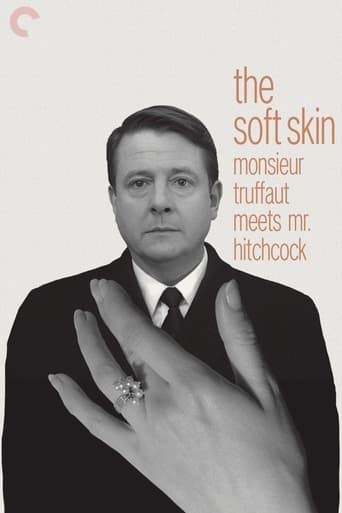
When Francois Truffaut approached Alfred Hitchcock in 1962 with the idea of having a long conversation with him about his work and publishing this in book form, he didn't imagine that more than four years would pass before Le Cinéma selon Hitchcock finally appeared in 1966. Not only in France but all over the world, Truffaut's Hitchcock interview developed over the years into a standard bible of film literature. In 1983, three years after Hitchcock's death, Truffaut decided to expand his by now legendary book to include a concluding chapter and have it published as the "Edition définitive". This film describes the genesis of the "Hitchbook" and throws light on the strange friendship between two completely different men. The centrepieces are the extracts from the original sound recordings of the interview with the voices of Alfred Hitchcock, Francois Truffaut, and Helen Scott – recordings which have never been heard in public before.
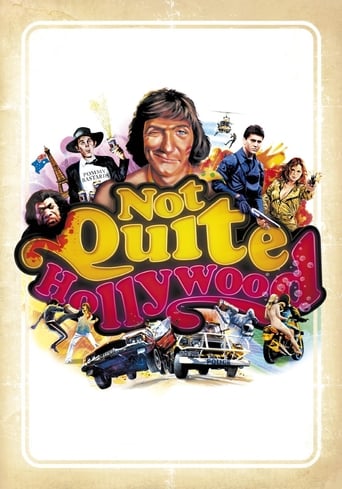
As Australian cinema broke through to international audiences in the 1970s through respected art house films like Peter Weir's "Picnic At Hanging Rock," a new underground of low-budget exploitation filmmakers were turning out considerably less highbrow fare. Documentary filmmaker Mark Hartley explores this unbridled era of sex and violence, complete with clips from some of the scene's most outrageous flicks and interviews with the renegade filmmakers themselves.
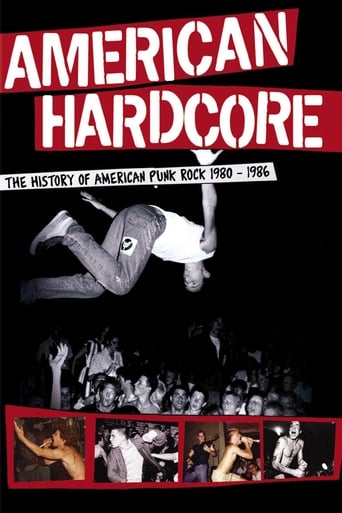
Inspired by Steven Blush's book "American Hardcore: A tribal history" Paul Rachman's feature documentary debut is a chronicle of the underground hardcore punk years from 1979 to 1986. Interviews and rare live footage from artists such as Black Flag, Bad Brains, Minor Threat, SS Decontrol and the Dead Kennedys.

This horror documentary is not the same as the 1986 TV special Stephen King's World of Horror nor the 1988 VHS release of the same name, which runs 45 minutes, was distributed by Front Row Entertainment and is about King himself. Instead, This Is Horror (copyright 1989) was a TV special which ran in four 60 minute increments. This new special used some framing footage from the original 'World of Horror' but is primarily newer interviews and behind-the-scenes footage about what was hot in horror in the late 80s. Here in the U.S., a condensed 90-minute version made its way onto video courtesy of Goodtimes in 1990. Elsewhere, the entire special was released as 2 different tapes running 90 minutes apiece. In the UK these were titled This is Horror: A Video Encyclopedia of Horror (Volumes 1 and 2) and in Germany they were called Best of Stephen King's World of Horror (Parts 1 & 2).
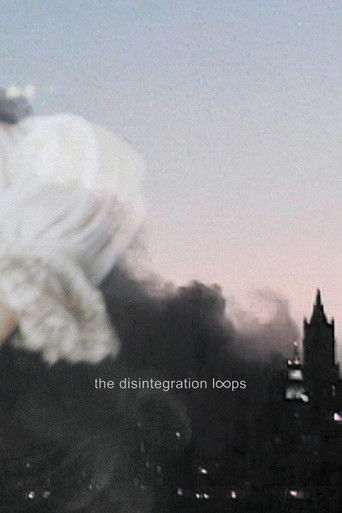
Disintegration Loop 1.1 consists of one static shot of lower Manhattan billowing smoke during the last hour of daylight on September 11th, 2001, set to the decaying pastoral tape loop Basinski had recorded in August, 2001. Shot from Basinski's roof in Williamsburg Brooklyn, this is an actual documentary of how he and his neighbors witnessed the end of that fateful day. It is a tragically beautiful cinema verite elegy dedicated to those who perished in the atrocities of September 11th, 2001.
A year has passed since the attacks on the Nord Stream gas pipelines, and it is still unclear what actually happened at the bottom of the Baltic Sea at that time. ARD, Süddeutsche Zeitung, and DIE ZEIT have joined forces for a large-scale investigation and set out to find the alleged perpetrators. An investigation into one of the most spectacular criminal cases of our time, an attack of historic proportions.