

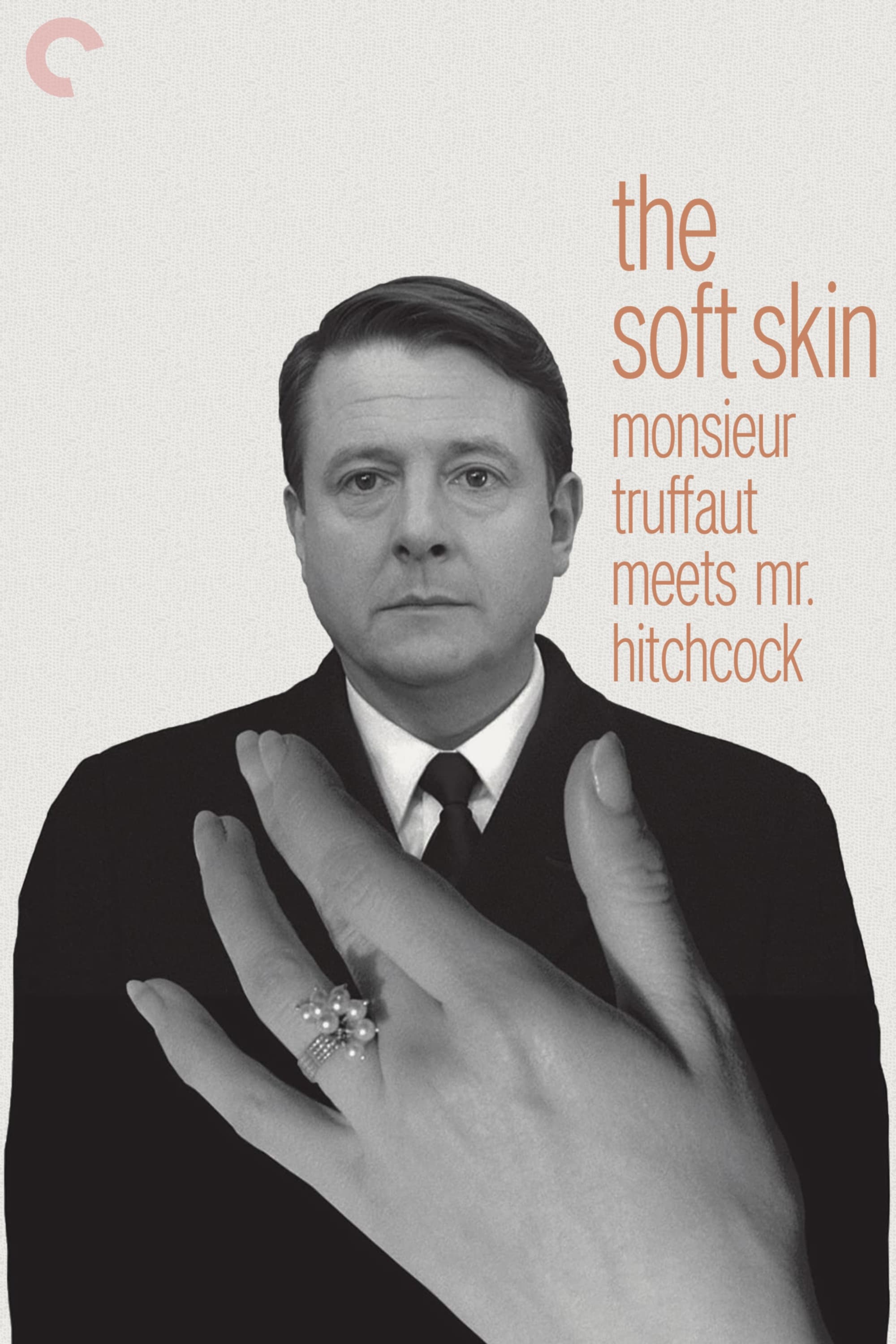
Monsieur Truffaut Meets Mr. Hitchcock
Documentary
Overview
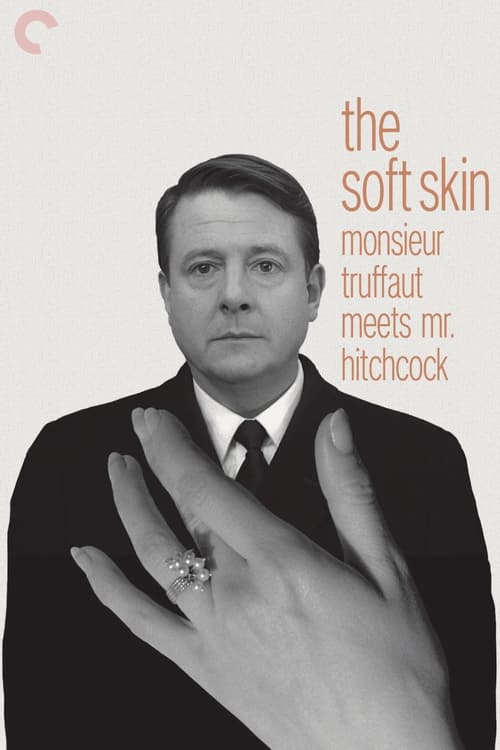
When Francois Truffaut approached Alfred Hitchcock in 1962 with the idea of having a long conversation with him about his work and publishing this in book form, he didn't imagine that more than four years would pass before Le Cinéma selon Hitchcock finally appeared in 1966. Not only in France but all over the world, Truffaut's Hitchcock interview developed over the years into a standard bible of film literature. In 1983, three years after Hitchcock's death, Truffaut decided to expand his by now legendary book to include a concluding chapter and have it published as the "Edition définitive". This film describes the genesis of the "Hitchbook" and throws light on the strange friendship between two completely different men. The centrepieces are the extracts from the original sound recordings of the interview with the voices of Alfred Hitchcock, Francois Truffaut, and Helen Scott – recordings which have never been heard in public before.








Claude Chabrol
Claude Chabrol
Self
Claude Chabrol
Self
Patricia Hitchcock
Patricia Hitchcock
Self
Patricia Hitchcock
Self
Madeleine Morgenstern
Madeleine Morgenstern
Self
Madeleine Morgenstern
Self
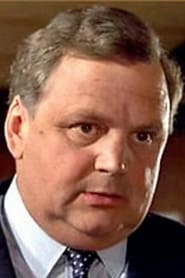
Jean-Louis Richard
Jean-Louis Richard
Self
Jean-Louis Richard
Self
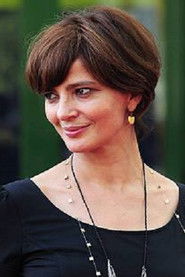
Laura Truffaut
Laura Truffaut
Self
Laura Truffaut
Self
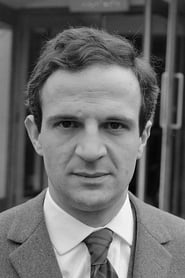
François Truffaut
François Truffaut
Self (archive footage)
François Truffaut
Self (archive footage)
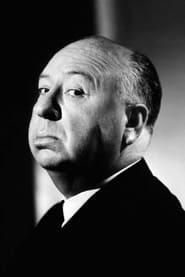
Alfred Hitchcock
Alfred Hitchcock
Self (archive footage)
Alfred Hitchcock
Self (archive footage)
Helen Scott
Helen Scott
Self (archive footage)
Helen Scott
Self (archive footage)
Similar Movies
Augustus is reputed to have been a violent, adventurous, power-hungry and unscrupulous warlord. Yet as founder of the Roman Empire, he ushered in a period of peace and prosperity. Drawing on the analysis of several historians, this documentary traces an extraordinary destiny: posthumously adopted by his great-uncle Julius Caesar, Octavian, the future Augustus, accepted an inheritance fraught with consequences. Having made his own empire prosper, he wrote his political will at the age of 76, without naming an heir. How was the succession of this childless strategist organized?
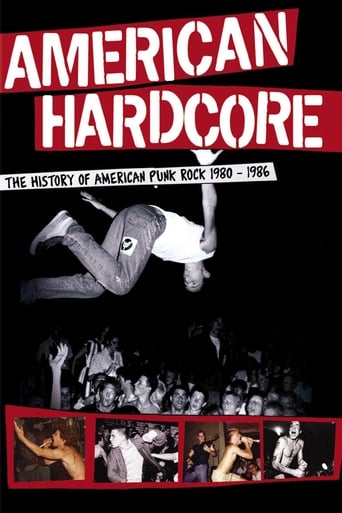
Inspired by Steven Blush's book "American Hardcore: A tribal history" Paul Rachman's feature documentary debut is a chronicle of the underground hardcore punk years from 1979 to 1986. Interviews and rare live footage from artists such as Black Flag, Bad Brains, Minor Threat, SS Decontrol and the Dead Kennedys.
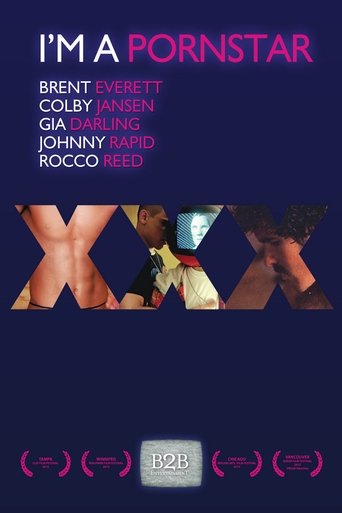
I'm a Porn Star follows the lives of guys in the neighborhood who are likely a lot more famous than you - at least on the Internet. There are an estimated 370 million pornographic websites on-line. Porn is now a thirteen BILLION dollar business. So who's doing all this moonlighting? Turns out -- probably some people you know.
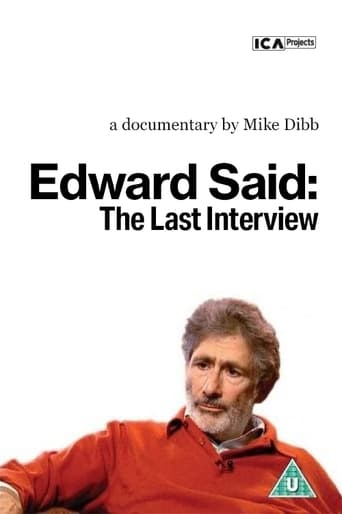
Edward Said, Professor of English & Comparative Literature at Columbia University, was a prominent literary critic of the late 20th century and a leading spokesperson for the Palestinian cause in the US. Born to a Palestinian family in Al-Quds (Jerusalem) in 1935, he and his family were dispossessed in 1948 and settled in Cairo. Educated in the US, he lived in New York for many years. Said was a member of the Palestine National Council. After resigning from the PNC in 1991, Said wrote critically about the post-Oslo peace process, the political failures of Yasser Arafat and the PLO. Said was diagnosed with leukemia in 1991 and struggled with the disease while continuing to write and teach. He stopped giving interviews but made an exception less than a year before his death in 2003, speaking about his illness, work, Palestine, politics, life, and education. The last interview is the final testament of this passionately committed intellectual.
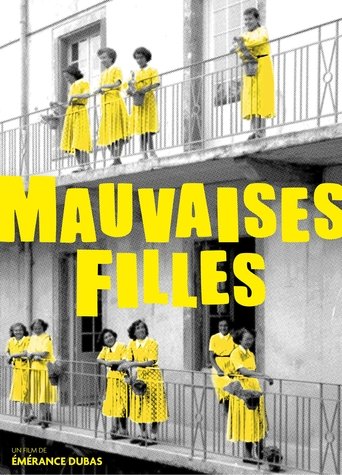
Disobedients, rebels, misunderstoods or simply unpopulars. As many other french women, Édith, Michèle, Éveline and Fabianne had been put in a juvenile detention center during their teenage years. Nowadays, with an incredible strength, each of them relate their story, and unveil the deeply moving fate lived by these « bad girls » until the late 70's.
This documentary captures the sounds and images of a nearly forgotten era in film history when African American filmmakers and studios created “race movies” exclusively for black audiences. The best of these films attempted to counter the demeaning stereotypes of black Americans prevalent in the popular culture of the day. About 500 films were produced, yet only about 100 still exist. Filmmaking pioneers like Oscar Micheaux, the Noble brothers, and Spencer Williams, Jr. left a lasting influence on black filmmakers, and inspired generations of audiences who finally saw their own lives reflected on the silver screen.