

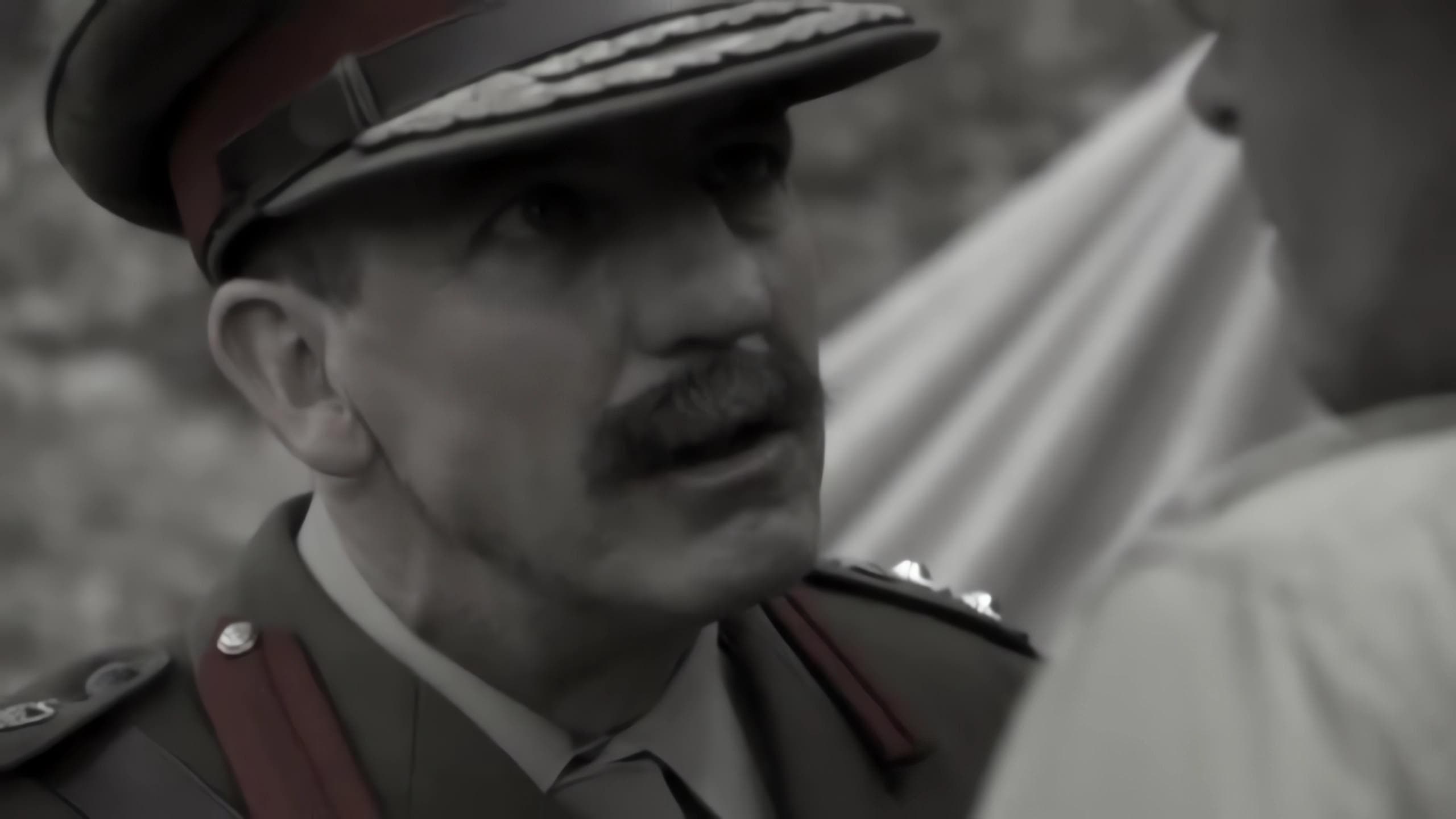
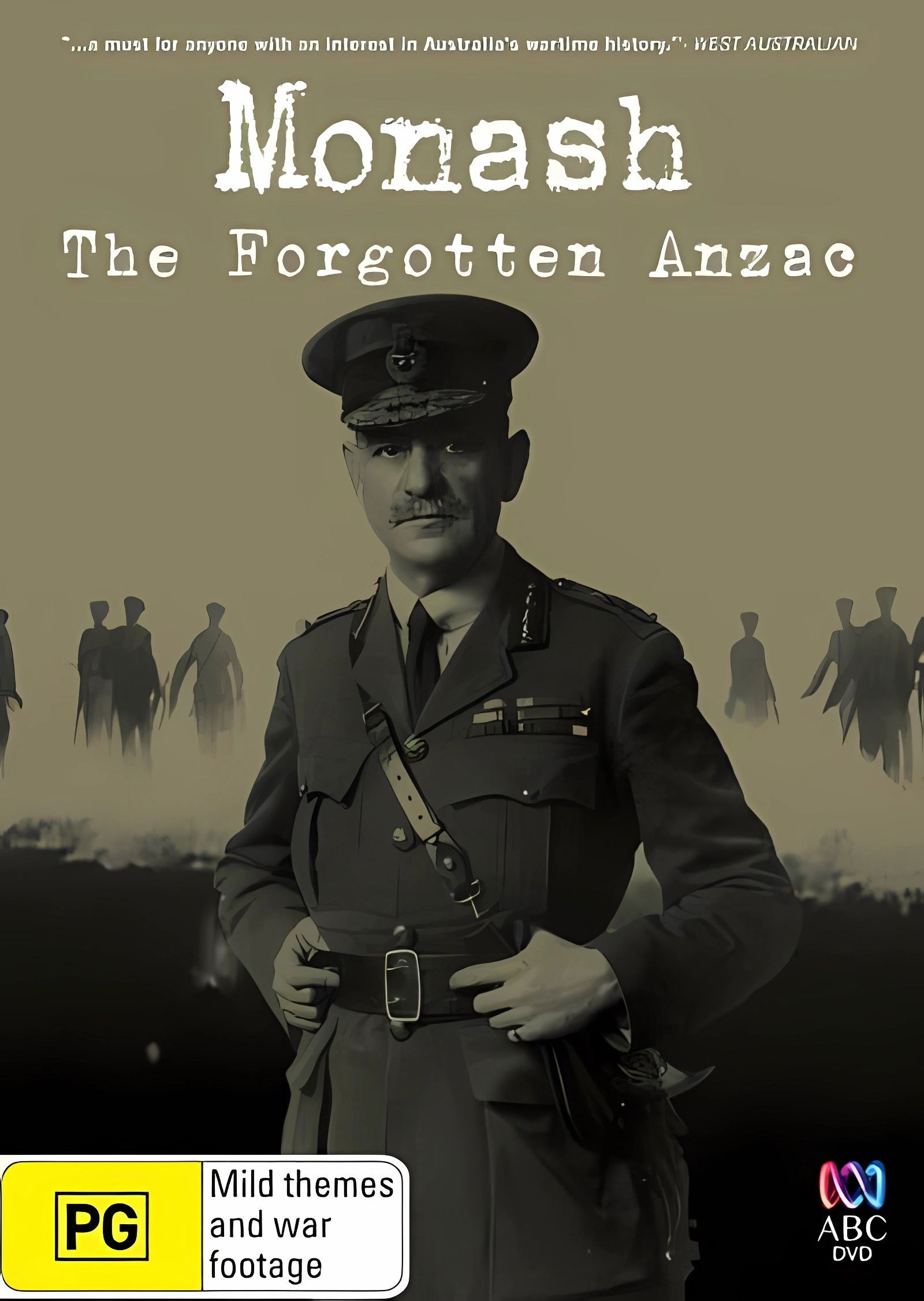
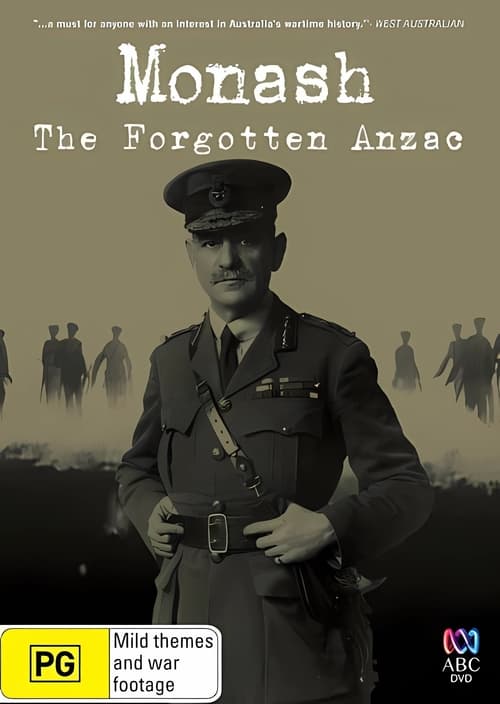
Monash: The Forgotten Anzac
Documentary · War · Drama
Overview
The story of how Australia's 'ANZAC myth' was born and the role of General John Monash in this process as soldier and statesman both during and after WW1.


Jennifer Vuletic
Jennifer Vuletic
Narrator (voice)
Jennifer Vuletic
Narrator (voice)
Robert Menzies
Robert Menzies
John Monash
Robert Menzies
John Monash
Heather Bolton
Heather Bolton
Victoria Monash
Heather Bolton
Victoria Monash

Lucy Honigman
Lucy Honigman
Bertha Monash
Lucy Honigman
Bertha Monash
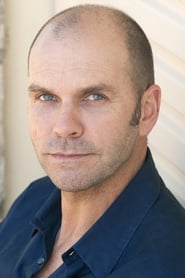
Ian Bliss
Ian Bliss
Charles Bean
Ian Bliss
Charles Bean
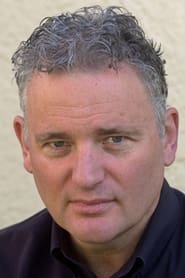
Stephen Ballantyne
Stephen Ballantyne
Keith Murdoch
Stephen Ballantyne
Keith Murdoch

Nicholas Bell
Nicholas Bell
General Rawlinson
Nicholas Bell
General Rawlinson
Jackie Kelleher
Jackie Kelleher
Tanie Ulrike
Jackie Kelleher
Tanie Ulrike
Similar Movies
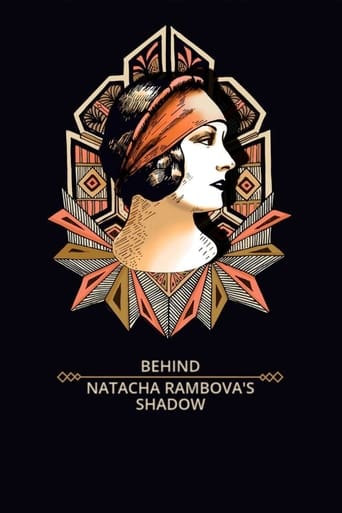
The adventurous life of Natacha Rambova (1897-1966), an American artist, born Winifred Kimball Shaughnessy, who reincarnated herself countless times: false Russian dancer, silent film actress, scenographer and costume designer, writer, spiritist, Egyptologist, indefatigable traveler, mysterious and curious; an amazing 20th century woman who created the myth of Rudolph Valentino.
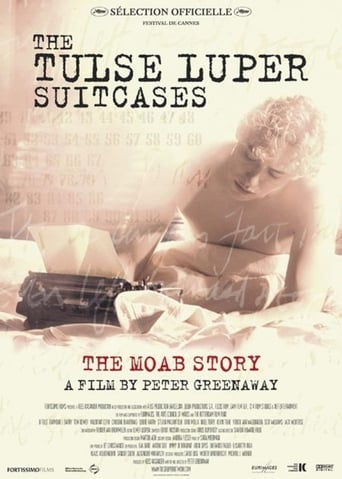
A comic study of 20th-century history, reconstructing the life of writer, creator and professional prisoner Tulse Luper. Born in 1911 Newport and last heard of in 1989, Luper’s life is pieced together from the evidence found in 92 suitcases scattered across the globe. In the first of three parts, we follow Luper through three distinct episodes: as a child during the First World War; as an explorer in Mormon Utah; and as a writer in Belgium during the rise of fascism.
102 Years in the Heart of Europe: A Portrait of Ernst Jünger (Swedish: 102 år i hjärtat av Europa) is a Swedish documentary film from 1998 directed by Jesper Wachtmeister. It consists of an interview by the journalist Björn Cederberg with the German writer, philosopher and war veteran Ernst Jünger (1895-1998). Jünger talks about his life, his authorship, his interests and ideas. The actor Mikael Persbrandt reads passages from some of Jünger's works, such as Storm of Steel, The Worker, On the Marble Cliffs and The Glass Bees.

During the Syrian civil war, the district of Yarmouk, home to thousands of Palestinians, became the scene of dramatic and ferocious fighting. The film follows the destiny of civilians during the brutal sieges, imposed by the Syrian regime, that took place in the wake of the battles. With his camera, Abdallah Al-Khatib composes a love song to a place that proudly resists the atrocities of war.
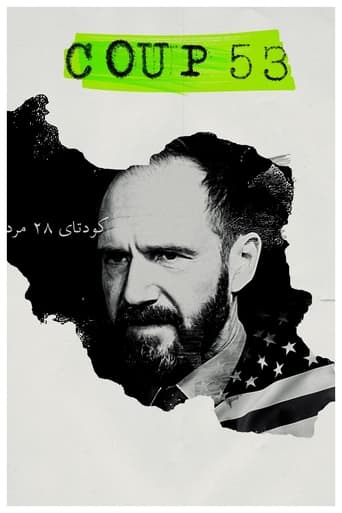
Tehran, Iran, August 19, 1953. A group of Iranian conspirators who, with the approval of the deposed tyrant Mohammad Reza Pahlavi, have conspired with agents of the British MI6 and the US CIA, manage to put an end to the democratic government led by Mohammad Mosaddegh, a dramatic event that will begin the tragic era of coups d'état that, orchestrated by the CIA, will take place, over the following decades, in dozens of countries around the world.
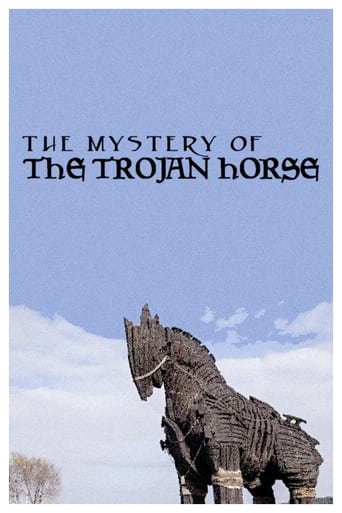
The story of the Trojan Horse is probably one of the most famous stories ever told: after ten years of bloody war, the Greek coalition decides to lift the siege and depart, but not before leaving at the gates a huge wooden horse, which the Trojans confidently lead into the city. A few hours later, the once invincible Troy goes up in flames. What exactly happened? Is this myth true or false?
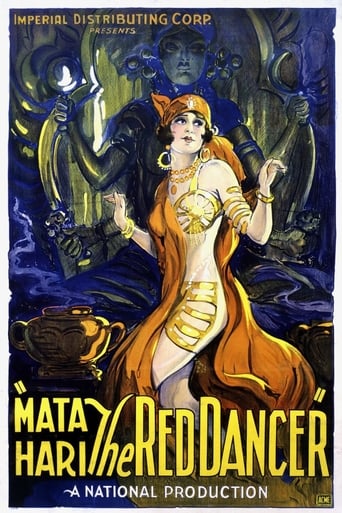
Mata Hari, die rote Tänzerin (English: Mata Hari: The Red Dancer), often shortened on release to Mata Hari, is a 1927 German silent drama film directed by Friedrich Feher and starring Magda Sonja, Wolfgang Zilzer and Fritz Kortner. It depicts the life and death of the German World War I spy Mata Hari. It was the first feature-length portrayal of Hari.