

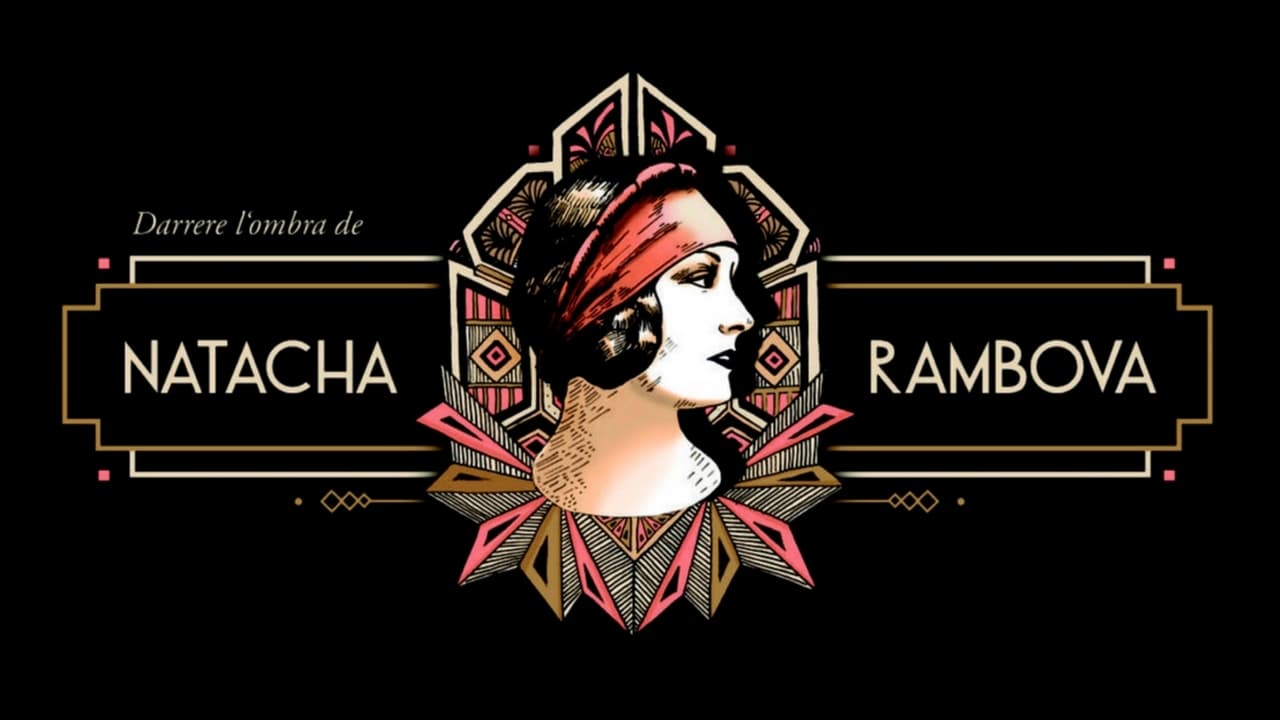

Behind Natacha Rambova's Shadow
Documentary
Overview
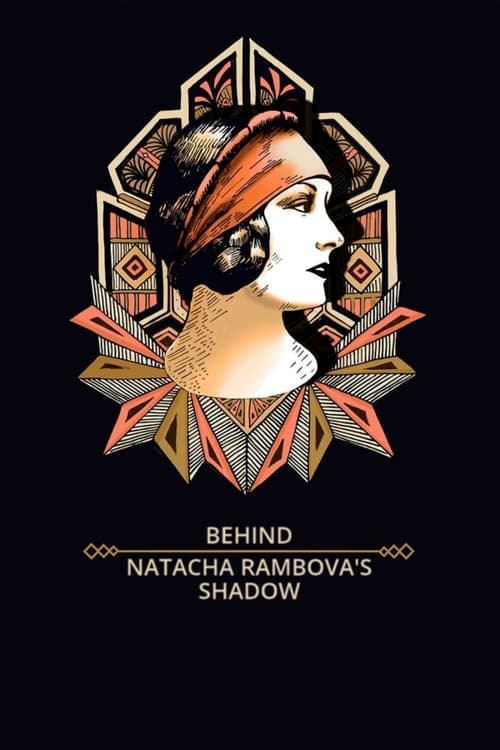
The adventurous life of Natacha Rambova (1897-1966), an American artist, born Winifred Kimball Shaughnessy, who reincarnated herself countless times: false Russian dancer, silent film actress, scenographer and costume designer, writer, spiritist, Egyptologist, indefatigable traveler, mysterious and curious; an amazing 20th century woman who created the myth of Rudolph Valentino.
Top Cast
Noemí Garcíes
Herself - Narrator (voice)
Jane Prichthard
Herself - Dance Historian
Drake Stutesman
Herself - Writer and Film Historian
Pere de Montaner
Himself - Historian
José Carlos Llop
Himself - Writer
Josep Massot i Muntaner
Himself - Historian
David Jorge
Himself - Researcher
John Darnell
Himself - Egyptologist
Colleen Darnell
Herself - Egyptologist

Natacha Rambova
Herself / Various Roles (archive footage)

Theodore Kosloff
Various Roles (archive footage)
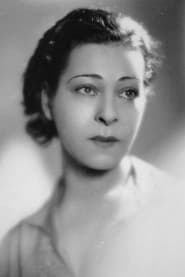
Alla Nazimova
Various Roles (archive footage)





Noemí Garcíes
Noemí Garcíes
Herself - Narrator (voice)
Noemí Garcíes
Herself - Narrator (voice)
Jane Prichthard
Jane Prichthard
Herself - Dance Historian
Jane Prichthard
Herself - Dance Historian
Drake Stutesman
Drake Stutesman
Herself - Writer and Film Historian
Drake Stutesman
Herself - Writer and Film Historian
Pere de Montaner
Pere de Montaner
Himself - Historian
Pere de Montaner
Himself - Historian
José Carlos Llop
José Carlos Llop
Himself - Writer
José Carlos Llop
Himself - Writer
Josep Massot i Muntaner
Josep Massot i Muntaner
Himself - Historian
Josep Massot i Muntaner
Himself - Historian
David Jorge
David Jorge
Himself - Researcher
David Jorge
Himself - Researcher
John Darnell
John Darnell
Himself - Egyptologist
John Darnell
Himself - Egyptologist
Colleen Darnell
Colleen Darnell
Herself - Egyptologist
Colleen Darnell
Herself - Egyptologist
Natacha Rambova
Natacha Rambova
Herself / Various Roles (archive footage)
Natacha Rambova
Herself / Various Roles (archive footage)
Similar Movies
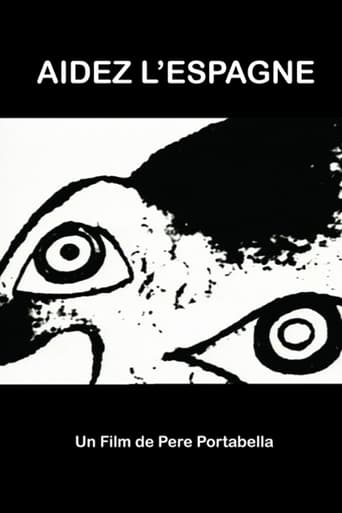
The Colegio de Arquitectos de Catalunya commissioned Pere Portabella to make this film for the Joan Miró retrospective exhibit in 1969. There were heated discussions on whether it would be prudent to screen the film during the exhibit. Portabella took the following stance: "either both films are screened or they don't screen any" and, finally, both Miro l'Altre and Aidez l'Espagne were shown. The film was made by combining newsreels and film material from the Spanish Civil War with prints by Miró from the series "Barcelona" (1939-1944). The film ends with the painter's "pochoir" known as Aidez l'Espagne.
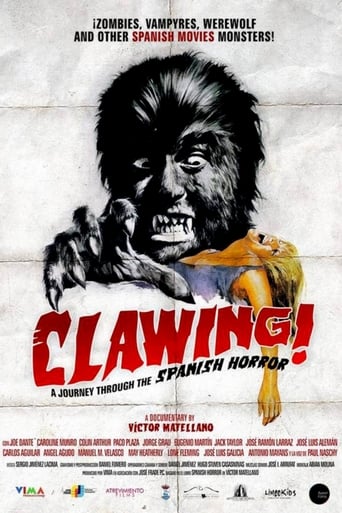
In the late sixties, Spanish cinema began to produce a huge amount of horror genre films: international markets were opened, the production was continuous, a small star-system was created, as well as a solid group of specialized directors. Although foreign trends were imitated, Spanish horror offered a particular approach to sex, blood and violence. It was an extremely unusual artistic movement in Franco's Spain.
After selling herself at fourteen to a brothel inside her home town of Svay Pak, Mien takes an undesired path all over Cambodia for the remainder of her teenage life. At twenty, her path crosses with a group of people fighting to make a difference, bringing her long and onerous journey back to face where it all began. The Pink Room is an intertwined story of the heart-rending, epic battle to end sex slavery, from rescue to prevention, and experiencing first hand, the need to change not just individuals, but the communities they come from. Most documentaries on trafficking only bring awareness to the problem. This film bring awareness to the solutions.