

A Farewell to Throwaway Life
Documentary






No cast information.
Similar Movies
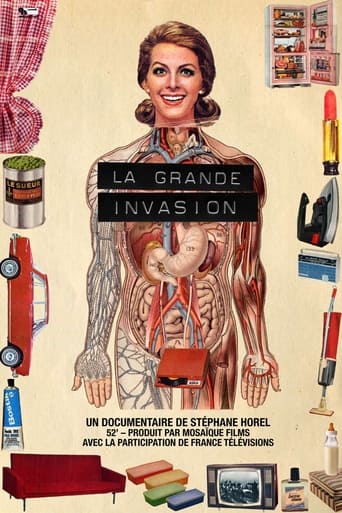
Our most mundane daily lives are full of chemicals. Embedded in plastics, detergents and toasters, nestled in food, cans, toys, shampoos, they are invisible and everywhere at once, including in our bodies. Consumer society and petrochemical magic wander into our little interiors under names that are strictly unknown and perfectly barbaric. Phthalates, brominated flame retardants, parabens, bisphenol-A have the unfortunate disadvantage of burglarizing our hormonal privacy: they are endocrine disruptors. For the renowned scientists who appear in this documentary, this chemical impregnation is not unrelated to the development of so-called modern diseases – from breast cancer to obesity. The observation, rather serious, does not prevent the film from taking the side of the second degree.
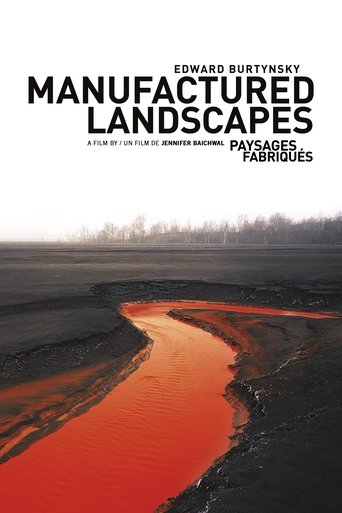
MANUFACTURED LANDSCAPES is the striking new documentary on the world and work of renowned artist Edward Burtynsky. Internationally acclaimed for his large-scale photographs of “manufactured landscapes”—quarries, recycling yards, factories, mines and dams—Burtynsky creates stunningly beautiful art from civilization’s materials and debris.
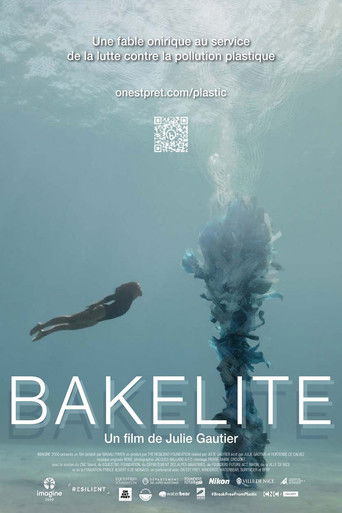
This underwater ballet is an ecological story depicting our paradoxical relationship with plastic. Bakelite launched the #SickOfPlastic campaign from On Est Prêt, along with the Surfrider Foundation, Break Free from Plastic and the Resilient Foundation. Photography was directed by Jacques Ballard, a specialist in underwater cinematography.
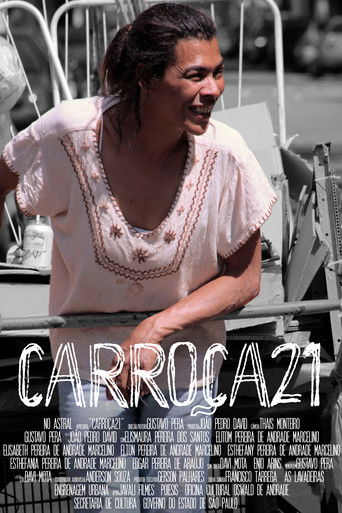
Maura is a black woman, mother of 7 children and recyclable material collector in one of the largest cities in Latin America. While she works hard to maintain herself, she has to deal with prejudice, invisibility and the ignorance of those who do not recognize the value and important role of the recyclable material collector bring to the city, as an environmental agent.
99% of the plastic that should be floating in the oceans is missing. Even accounting for the plastic that washes up on beaches or is trapped in arctic ice, millions of tonnes has simply disappeared. As most plastic never deteriorates, it simply breaks down into smaller and smaller particles that are invisible to the human eye, what happens to this missing ocean plastic is a mystery. In this investigation, scientists embark in search of the micro-plastics. Small, mostly invisible, toxic, they are home to the new ecosystem: the plastisphere. But where are they? Ingested by organisms? Buried under the ocean floor? Degraded by bacteria? And what is the impact of them entering the food chain?
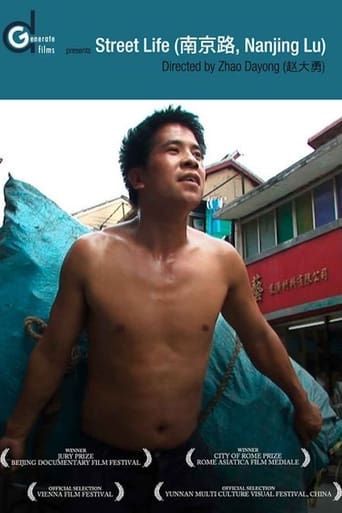
Street Life documents the lives of Chinese migrants in Shanghai, one of the world’s largest and most vibrant cities, now symbolic of China’s economic might. The film centers on Nanjing Road, one of China’s oldest commercial streets and today a popular destination for tourists and moneyed Chinese. The street has also become a Mecca for uprooted and homeless Chinese, who make ends by collecting garbage and recyclables. These characters and their stories are the focus of the film. The central character in Street Life is a migrant known as “Black Skin.” Black Skin faces numerous pressures in the course of the film, including police violence. In the end, these pressures are too much for him to bear and he goes mad. Black Skin’s story intersects with those of fellow bottle collectors, enterprising thieves and even a young boy who has been abandoned.