



La Grande Invasion
Documentary
Overview
Our most mundane daily lives are full of chemicals. Embedded in plastics, detergents and toasters, nestled in food, cans, toys, shampoos, they are invisible and everywhere at once, including in our bodies. Consumer society and petrochemical magic wander into our little interiors under names that are strictly unknown and perfectly barbaric. Phthalates, brominated flame retardants, parabens, bisphenol-A have the unfortunate disadvantage of burglarizing our hormonal privacy: they are endocrine disruptors. For the renowned scientists who appear in this documentary, this chemical impregnation is not unrelated to the development of so-called modern diseases – from breast cancer to obesity. The observation, rather serious, does not prevent the film from taking the side of the second degree.






No cast information.
Similar Movies

In America, size matters. The bigger you are, the more power you have, especially in the business world. Anat Baron takes you on a no holds barred exploration of the U.S. beer industry that ultimately reveals the truth behind the label of your favorite beer. Told from an insider’s perspective, the film goes behind the scenes of the daily battles and all out wars that dominate the industry.
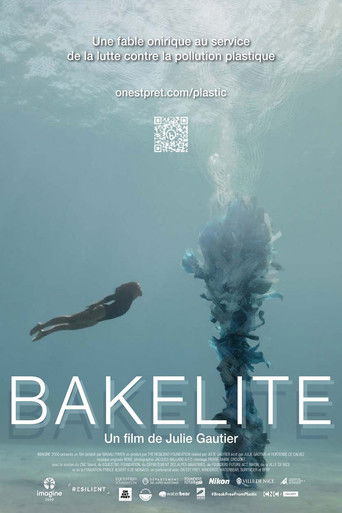
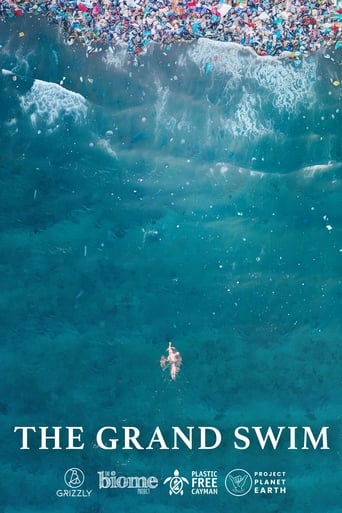
This underwater ballet is an ecological story depicting our paradoxical relationship with plastic. Bakelite launched the #SickOfPlastic campaign from On Est Prêt, along with the Surfrider Foundation, Break Free from Plastic and the Resilient Foundation. Photography was directed by Jacques Ballard, a specialist in underwater cinematography.
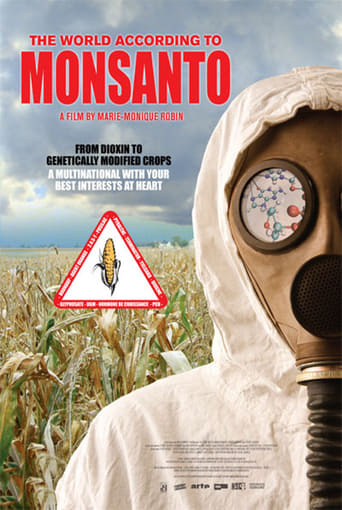
Monsanto is the world leader in genetically modified organisms (GMOs), as well as one of the most controversial corporations in industrial history. This century-old empire has created some of the most toxic products ever sold, including polychlorinated biphenyls (PCBs) and the herbicide Agent Orange. Based on a painstaking investigation, The World According to Monsanto puts together the pieces of the company’s history, calling on hitherto unpublished documents and numerous first-hand accounts.
99% of the plastic that should be floating in the oceans is missing. Even accounting for the plastic that washes up on beaches or is trapped in arctic ice, millions of tonnes has simply disappeared. As most plastic never deteriorates, it simply breaks down into smaller and smaller particles that are invisible to the human eye, what happens to this missing ocean plastic is a mystery. In this investigation, scientists embark in search of the micro-plastics. Small, mostly invisible, toxic, they are home to the new ecosystem: the plastisphere. But where are they? Ingested by organisms? Buried under the ocean floor? Degraded by bacteria? And what is the impact of them entering the food chain?
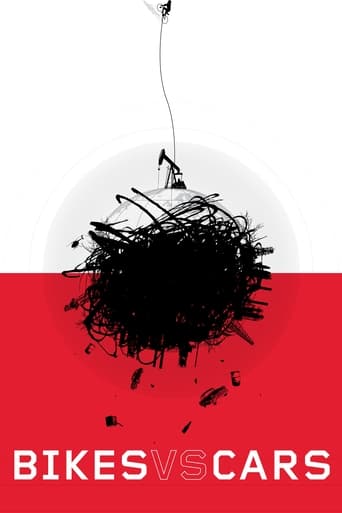
Bikes vs Cars depicts a global crisis that we all deep down know we need to talk about: Climate, earth's resources, cities where the entire surface is consumed by the car. An ever-growing, dirty, noisy traffic chaos. The bike is a great tool for change, but the powerful interests who gain from the private car invest billions each year on lobbying and advertising to protect their business. In the film we meet activists and thinkers who are fighting for better cities, who refuse to stop riding despite the increasing number killed in traffic.

Microsoft is generally considered the dinosaur of the digital age. However, the US Corporation is more powerful today than ever before. The power of its monopoly is nowhere more apparent than in Europe: from Finland to Portugal, from Ireland to Greece, the information technology of every state administration and its institutions (military, police, fiscal authorities etc.) is based on Microsoft programmes. Since digital systems are constantly expanding and increasing in importance, countries are becoming more and more dependent on this single company. This dependence causes continually rising costs and prevents technical progress in state authorities. It systematically undermines European procurement and competition laws, it leads inevitably to the company having an overwhelming political influence, while it exposes state IT systems along with citizens’ data to a high technical and political security risk. Is Europe’s digital sovereignty at stake?