

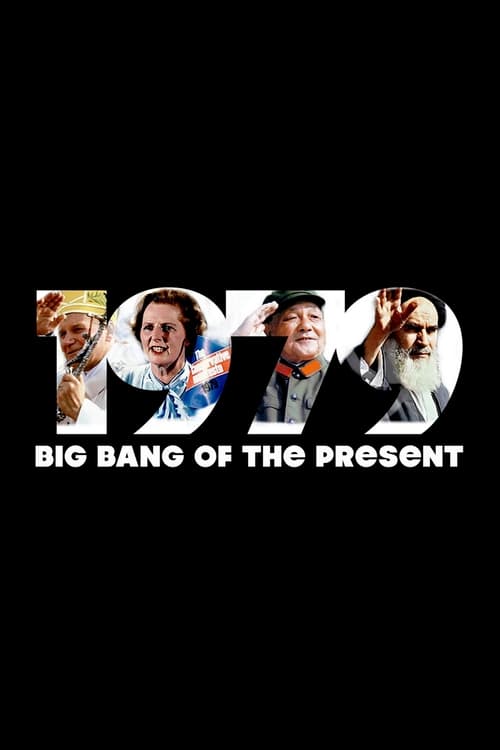
1979: Big Bang of the Present
Documentary · History · TV Movie
Overview
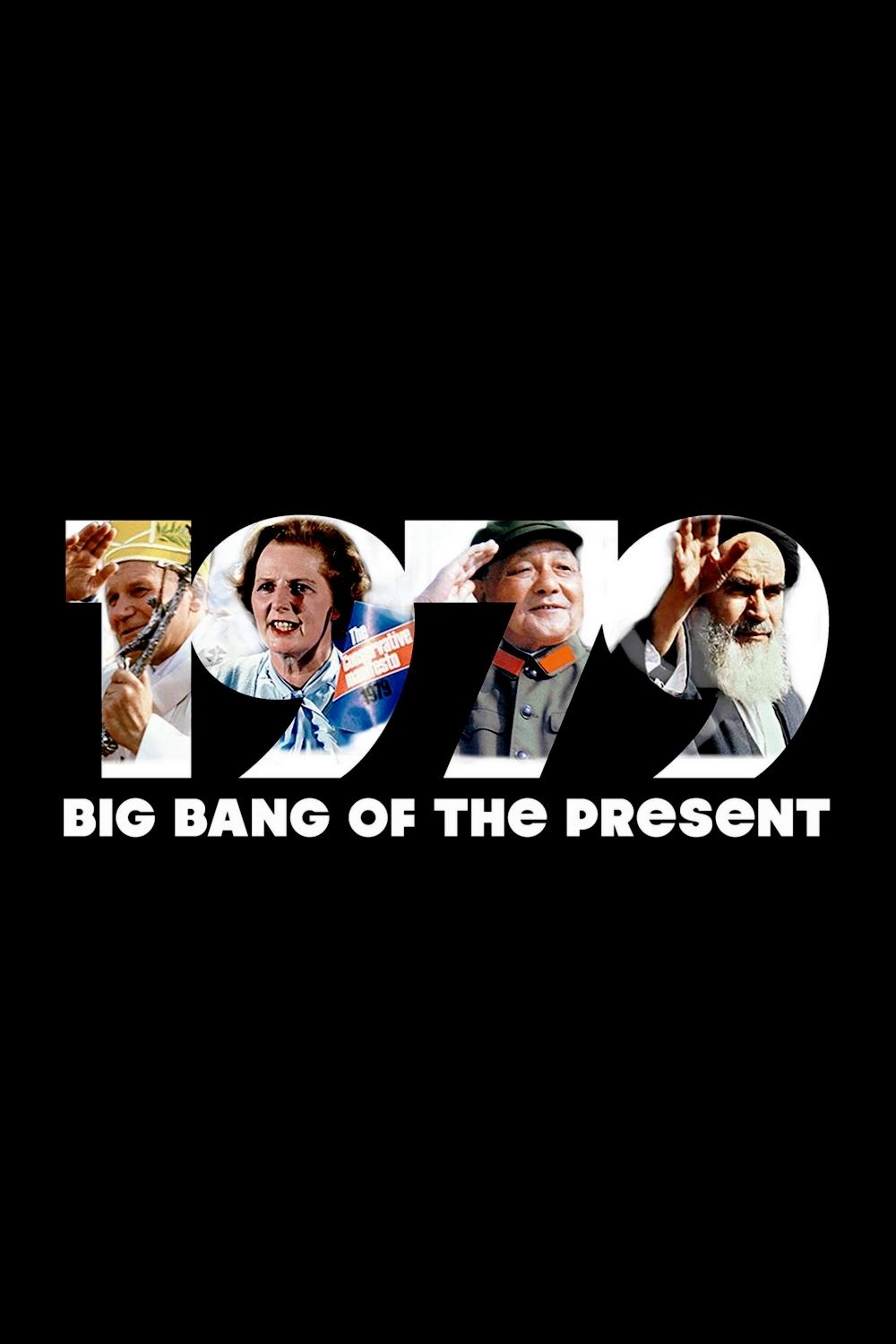
Deng Xiaoping's economic and political opening in China. Margaret Thatcher's extreme economic measures in the United Kingdom. Ayatollah Khomeini's Islamic Revolution in Iran. Pope John Paul II's visit to Poland. Saddam Hussein's rise to power in Iraq. The Soviet invasion of Afghanistan. The nuclear accident at the Harrisburg power plant and the birth of ecological activism. The year 1979, the beginning of the future.
Top Cast
Haideh Daragahi
Self - Literature Professor (1979)
Shahin Nawai
Self - Biologist (1979)
Chahla Chafiq
Self - Student (1979)
Chris Niedenthal
Self - Photojournalist (1979)
Leszek Balcerowicz
Self - Economist (1979)
Stanisław Ciosek
Self - Politician (1979)
Alfred Wierzbicki
Self - Student (1979)
Hanna Suchocka
Self - Jurist (1979)
Roger Garside
Self - Diplomat (1979)
Wei Jingsheng
Self - Political Dissident (1979)
Chas Freeman
Self - US DoS Official (1979)
Charles Moore
Self - Political Journalist (1979)


Haideh Daragahi
Haideh Daragahi
Self - Literature Professor (1979)
Haideh Daragahi
Self - Literature Professor (1979)
Shahin Nawai
Shahin Nawai
Self - Biologist (1979)
Shahin Nawai
Self - Biologist (1979)
Chahla Chafiq
Chahla Chafiq
Self - Student (1979)
Chahla Chafiq
Self - Student (1979)
Chris Niedenthal
Chris Niedenthal
Self - Photojournalist (1979)
Chris Niedenthal
Self - Photojournalist (1979)
Leszek Balcerowicz
Leszek Balcerowicz
Self - Economist (1979)
Leszek Balcerowicz
Self - Economist (1979)
Stanisław Ciosek
Stanisław Ciosek
Self - Politician (1979)
Stanisław Ciosek
Self - Politician (1979)
Alfred Wierzbicki
Alfred Wierzbicki
Self - Student (1979)
Alfred Wierzbicki
Self - Student (1979)
Hanna Suchocka
Hanna Suchocka
Self - Jurist (1979)
Hanna Suchocka
Self - Jurist (1979)
Roger Garside
Roger Garside
Self - Diplomat (1979)
Roger Garside
Self - Diplomat (1979)
Wei Jingsheng
Wei Jingsheng
Self - Political Dissident (1979)
Wei Jingsheng
Self - Political Dissident (1979)
Similar Movies
An exhaustive explanation of how the military occupation of an invaded territory occurs and its consequences, using as a paradigmatic example the recent history of Israel and the Palestinian territories, the West Bank and the Gaza Strip, from 1967, when the Six-Day War took place, to the present day; an account by filmmaker Avi Mograbi enriched by the testimonies of Israeli army veterans.
A walk through the life and career of the legendary French photojournalist Christine Spengler, known as Moonface, one of the few female war reporters in the seventies, also a writer and surrealist painter, who worked in Chad, Northern Ireland, Vietnam, Cambodia, Afghanistan, Lebanon, Iran, Iraq and other places where unfortunately war and death prevailed for years.
The adventurous life of Natacha Rambova (1897-1966), an American artist, born Winifred Kimball Shaughnessy, who reincarnated herself countless times: false Russian dancer, silent film actress, scenographer and costume designer, writer, spiritist, Egyptologist, indefatigable traveler, mysterious and curious; an amazing 20th century woman who created the myth of Rudolph Valentino.
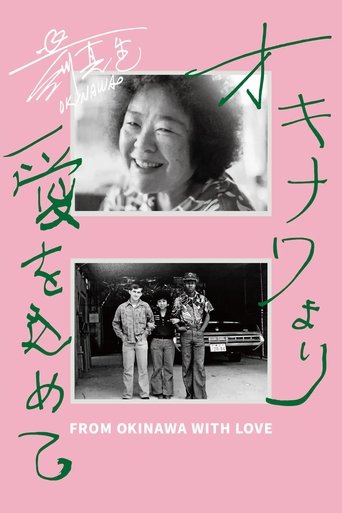
An Okinawan photographer, Mao Ishikawa spent her early 20s working as a barmaid in establishments catered specifically to African American GIs stationed in Okinawa. “There was love,” as the tagline reads, her photography book, 『Red Flower – The Women of Okinawa』 captured the diaristic intimacy of friendships, love affairs, and wild nights shared amongst her social circle of that time.
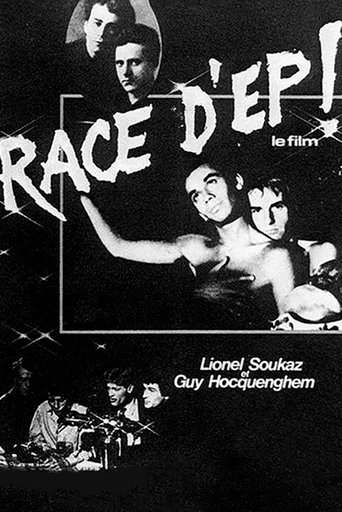
"Race d’Ep!" (which literally translates to "Breed of Faggots") was made by the “father of queer theory,” Guy Hocquenghem, in collaboration with radical queer filmmaker and provocateur Lionel Soukaz. The film traces the history of modern homosexuality through the twentieth century, from early sexology and the nudes of Baron von Gloeden to gay liberation and cruising on the streets of Paris. Influenced by the groundbreaking work of Michel Foucault on the history of sexuality and reflecting the revolutionary queer activism of its day, "Race d’Ep!" is a shockingly frank, sex-filled experimental documentary about gay culture emerging from the shadows.
Based on actual events that took place on 26 April 1974, former debutante turned IRA member Rose Dugdale and three comrades carried out an armed raid on Russborough House, Wicklow, in which nineteen masterpieces were stolen in an effort to support the IRA’s armed struggle. The film plays out over the course of the days following the raid, when Rose is in hiding in a remote cottage.
Set in Singapore in 1979, A Year Of No Significance chronicles the gradual disintegration of a middle-aged architect as changes rock the 45th year of his life. Sidelined in the office because of his inability to speak English, Lim Cheng Soon is cut further adrift when his wife leaves him inexplicably one day. His elderly father moves in, forcing him to confront the fact that the former has always preferred his younger brother. Robbed of his identities as architect, husband and son, Cheng Soon struggles in the dusk of his life, raging against the dying light.