

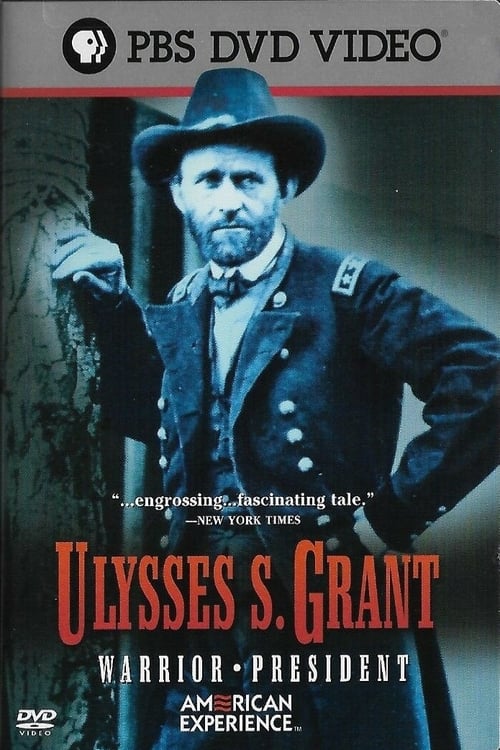
Ulysses S. Grant
Documentary · History
Overview
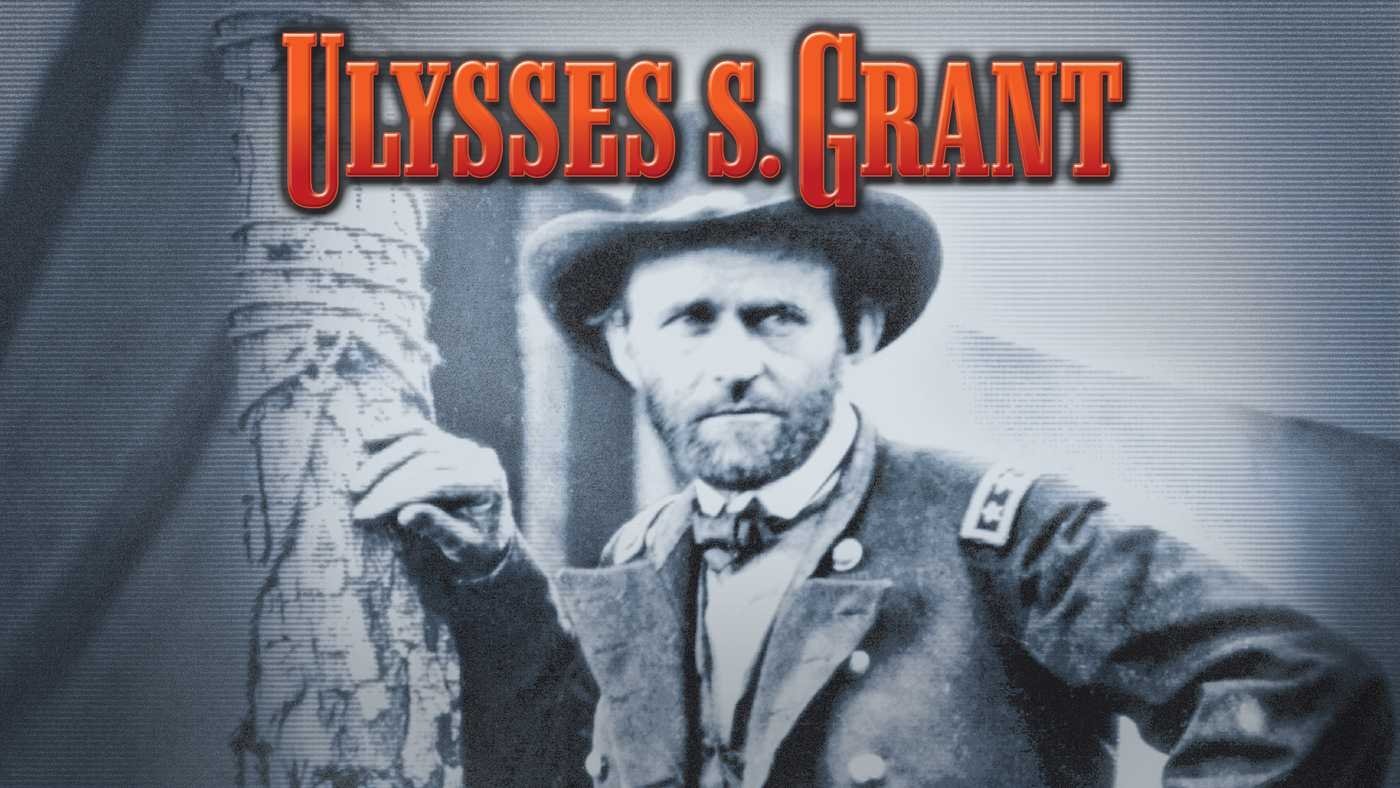
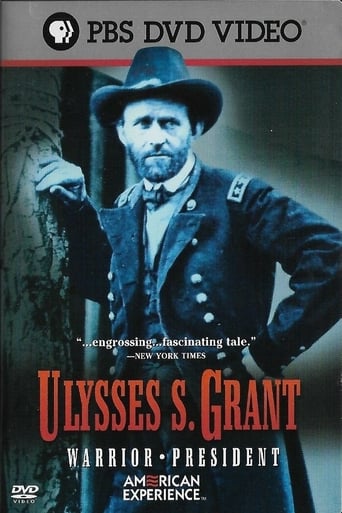
As a general, he had fought to preserve the Union. As president, he helped to oversee the transformation from union to nation. As a former president, he was the embodiment of the very idea of national union, and of America's entry onto the world stage. As a dying general, he was the symbol of the nation's greatest and most traumatic war. The story of Ulysses S. Grant's life, from his first days on the Ohio frontier to his last days out-writing death in the Adirondacks, is an endlessly fascinating one. Few public figures have ever held a such a firm grip on the American popular imagination. Grant was a man whose rise from obscurity made him a hero to millions who could see themselves in him. An ordinary man who faced and met extraordinary challenges, his successes and failures seemed to encapsulate the national character. He was so popular with the American public that, despite his two scandal-ridden terms as president, he was nearly nominated to run for a third term.
Top Cast


Liev Schreiber
Liev Schreiber
Narrator
Liev Schreiber
Narrator
Similar Movies
Based on eight years of continued prosperity, presidents and economists alike confidently predicted that America would soon enter a time when there would be no more poverty, no more depressions -- a "New Era" when everyone could be rich. But when reality finally struck, the consequences of such unbound optimism shocked the world.
In the 50s and 60s, deep in the American countryside at the foot of the Catskills, a small wooden house with a barn behind it was home to the first clandestine network of cross-dressers. Diane and Kate are now 80 years old. At the time, they were men and part of this secret organization. Today, they relate this forgotten but essential chapter of the early days of trans-identity. It is a story full of noise and fury, rich in extraordinary characters, including the famous Susanna, who had the courage to create this refuge that came to be known as Casa Susanna.
The film interweaves the personal accounts of polio survivors with the story of an ardent crusader who tirelessly fought on their behalf while scientists raced to eradicate this dreaded disease. Based in part on the Pulitzer Prize-winning book Polio: An American Story by David Oshinsky, Features interviews with historians, scientists, polio survivors, and the only surviving scientist from the core research team that developed the Salk vaccine, Julius Youngner.
Cold War Roadshow tells the story of one of the most bizarre episodes in the annals of modern history — the unprecedented barnstorming across America in the fall of 1959 by Soviet Premier Nikita Khrushchev, the world leader of communism and America’s arch nemesis. At the very height of the Cold War, with American schoolchildren practicing duck-and-cover drills, the man who Americans feared could incinerate them in a rain of hydrogen bombs arrived in Washington, D.C. at the invitation of President Eisenhower. For both men, the visit was an opportunity to halt the escalating threats of the Cold War and chart a new course toward peaceful coexistence. For the American press, it was the media blockbuster story of the year.
Shortly before dawn on August 21, 1992, six heavily armed U.S. marshals made their way up to the isolated mountaintop home of Randy and Vicki Weaver and their children on Ruby Ridge in Northern Idaho. Charged with selling two illegal sawed-off shotguns to an undercover agent, Weaver had failed to appear in court and law enforcement was tasked with bringing him in. For months, the Weavers had been holed up on their property with a cache of firearms, including automatic weapons. When the federal agents surveilling the property crossed paths with members of the family, a firefight broke out. The standoff that mesmerized the nation would leave Weaver injured, his wife and son dead, and some convinced that the federal government was out of control. Drawing upon eyewitness accounts, including interviews with Weaver’s daughter, Sara, and federal agents involved in the confrontation, Ruby Ridge is a riveting account of the event that helped give rise to the modern American militia movement.
In 1910, the Pennsylvania Railroad successfully accomplished the enormous engineering feat of building tunnels under New York City's Hudson and East Rivers, connecting the railroad to New York and New England, knitting together the entire eastern half of the United States. The tunnels terminated in what was one of the greatest architectural achievements of its time, Pennsylvania Station. Penn Station covered nearly eight acres, extended two city blocks, and housed one of the largest public spaces in the world. But just 53 years after the station’s opening, the monumental building that was supposed to last forever, to herald and represent the American Empire, was slated to be destroyed.
In the spring of 1927, after weeks of incessant rains, the Mississippi River went on a rampage from Cairo, Illinois to New Orleans, inundating hundreds of towns, killing as many as a thousand people and leaving a million homeless. In Greenville, Mississippi, efforts to contain the river pitted the majority black population against an aristocratic plantation family, the Percys, and the Percys against themselves. A dramatic story of greed, power and race during one of America's greatest natural disasters.