

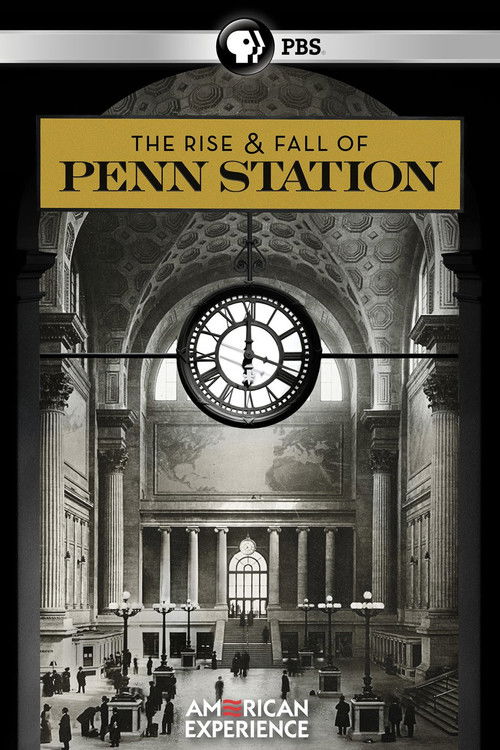
The Rise & Fall of Penn Station
History · Documentary
Overview
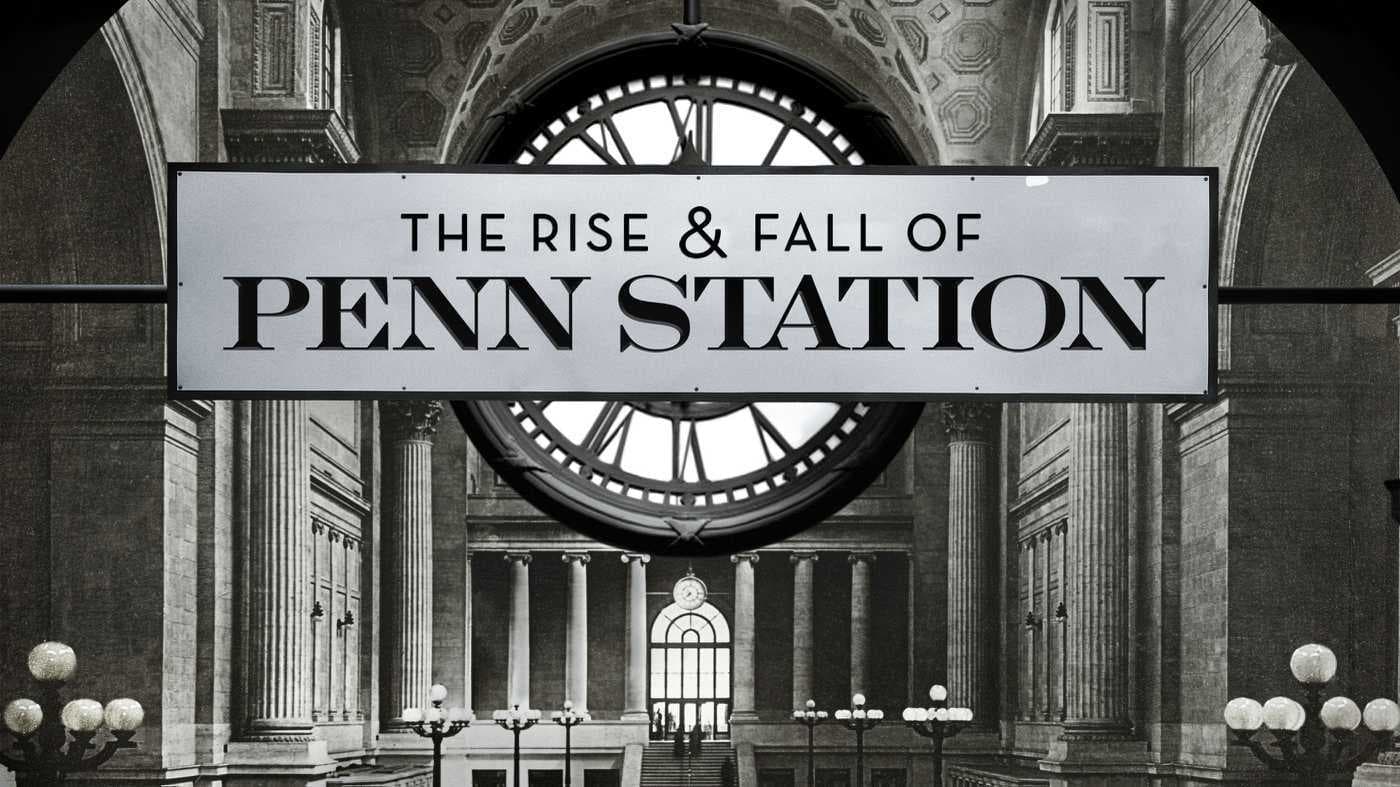
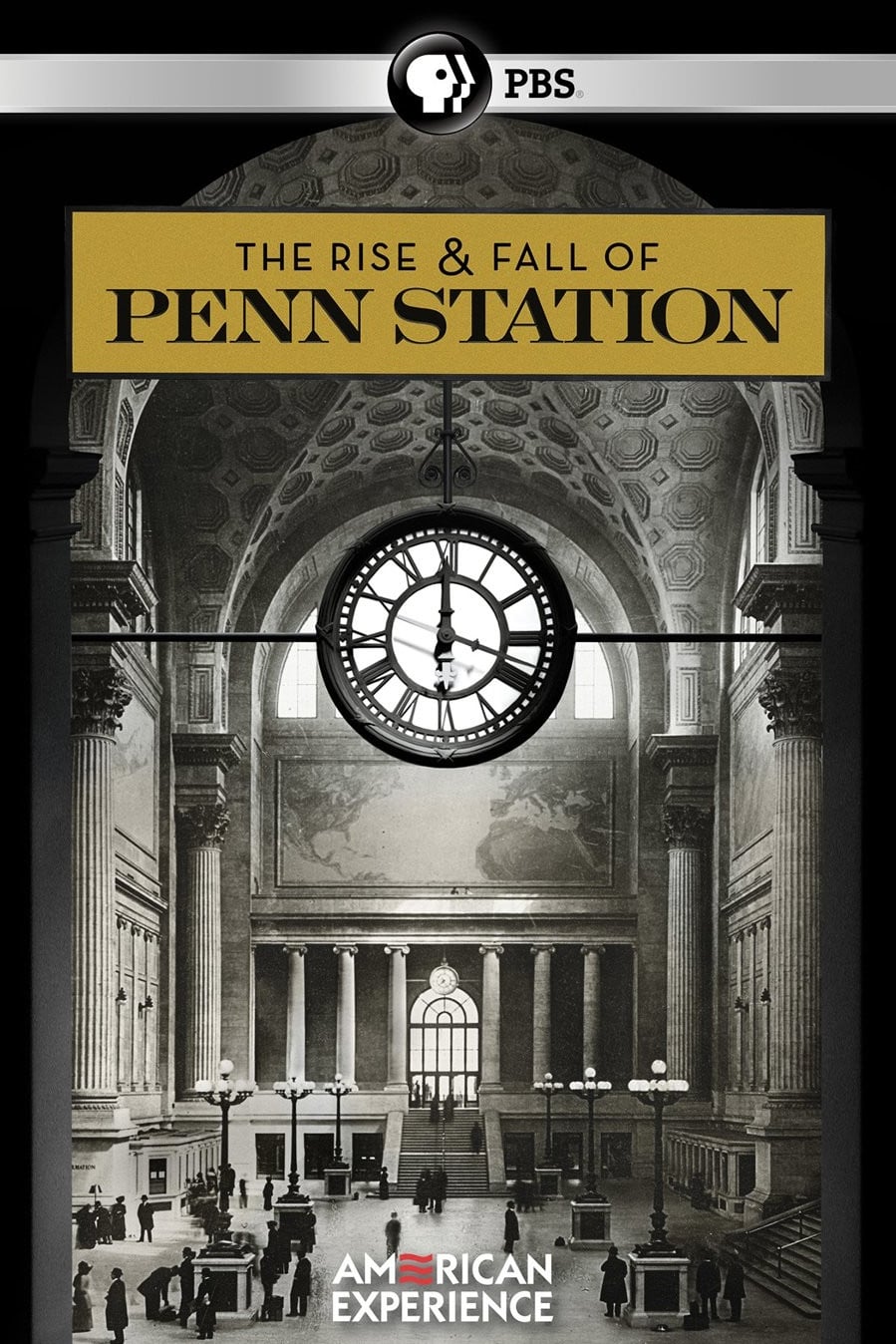
In 1910, the Pennsylvania Railroad successfully accomplished the enormous engineering feat of building tunnels under New York City's Hudson and East Rivers, connecting the railroad to New York and New England, knitting together the entire eastern half of the United States. The tunnels terminated in what was one of the greatest architectural achievements of its time, Pennsylvania Station. Penn Station covered nearly eight acres, extended two city blocks, and housed one of the largest public spaces in the world. But just 53 years after the station’s opening, the monumental building that was supposed to last forever, to herald and represent the American Empire, was slated to be destroyed.
Top Cast




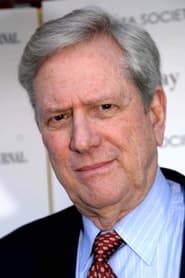
Michael Murphy
Michael Murphy
Narrator
Michael Murphy
Narrator
Similar Movies

This timely, bold set of one-on-one interviews presents two of the most venerable figures from the American Left—renowned historian Howard Zinn and linguist and philosopher Noam Chomsky—each reflecting upon his own life and political beliefs. At the age of 88, Howard Zinn reflects upon the Civil Rights and anti–Vietnam War movements, political empires, history, art, activism, and his political stance. Setting forth his personal views, Noam Chomsky explains the evolution of his libertarian socialist ideals, his vision for a future postcapitalist society, the Enlightenment, the state and empire, and the future of the planet.
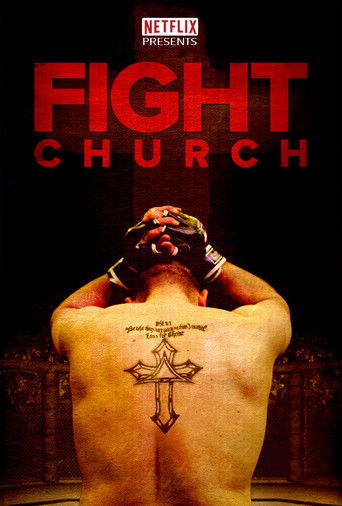
A documentary about the confluence of Christianity and mixed martial arts, including ministries which train fighters. The film follows several pastors and popular fighters in their quest to reconcile their faith with a sport that many consider violent and barbaric. Faith is tried and questions are raised. Can you really love your neighbor as yourself and then punch him in the face?
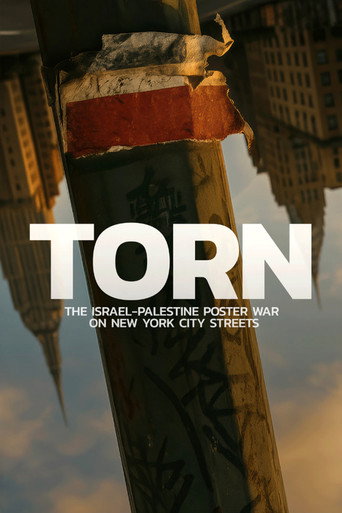
After Hamas kidnapped 251 people from Israel on October 7, and as Israel’s war in Gaza unfolded, a conflict thousands of miles away erupted on New York’s walls. TORN captures the emotional fallout of the now-iconic “KIDNAPPED” poster campaign - a grassroots act of solidarity that quickly became a flashpoint, igniting fierce confrontations between pro-Israel and pro-Palestinian New Yorkers. Through the voices of artists, activists, and hostage families, the film unpacks the motivations behind those putting up and tearing down the posters, exposing a complex proxy war fought in stickers, slogans, and torn paper. By revealing how a distant war fractured daily life in one of the world’s most diverse cities, the film forces a reckoning with identity, free speech, and empathy in an age of polarization.

Cold War Roadshow tells the story of one of the most bizarre episodes in the annals of modern history — the unprecedented barnstorming across America in the fall of 1959 by Soviet Premier Nikita Khrushchev, the world leader of communism and America’s arch nemesis. At the very height of the Cold War, with American schoolchildren practicing duck-and-cover drills, the man who Americans feared could incinerate them in a rain of hydrogen bombs arrived in Washington, D.C. at the invitation of President Eisenhower. For both men, the visit was an opportunity to halt the escalating threats of the Cold War and chart a new course toward peaceful coexistence. For the American press, it was the media blockbuster story of the year.