

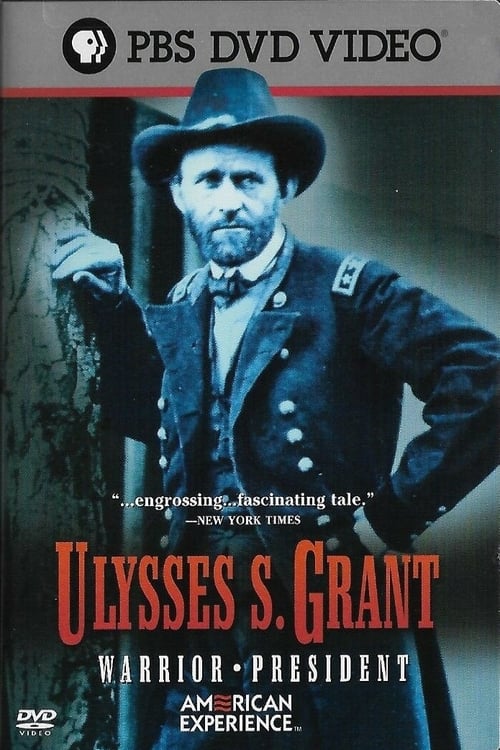
American Experience: Ulysses S. Grant (Part 2)
Documentary · History
Overview
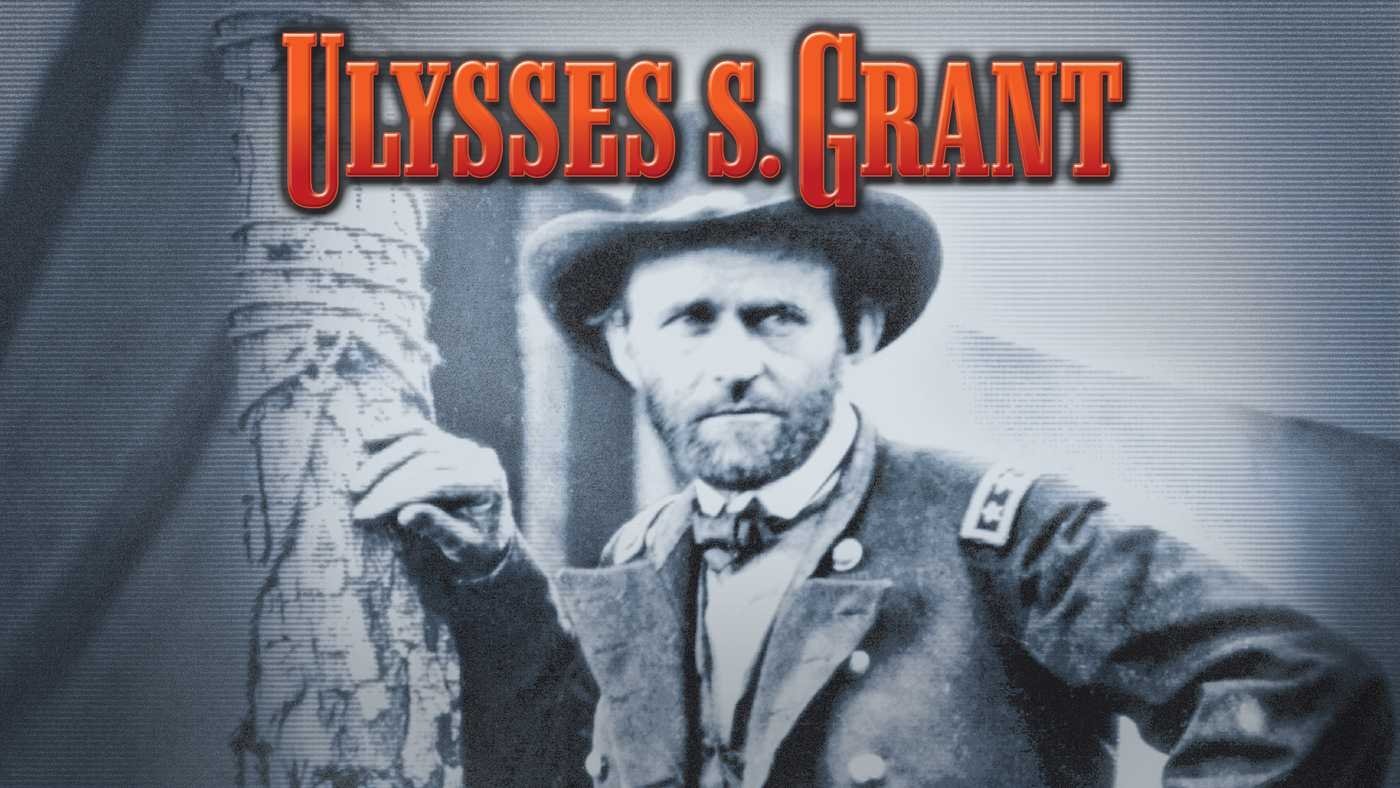
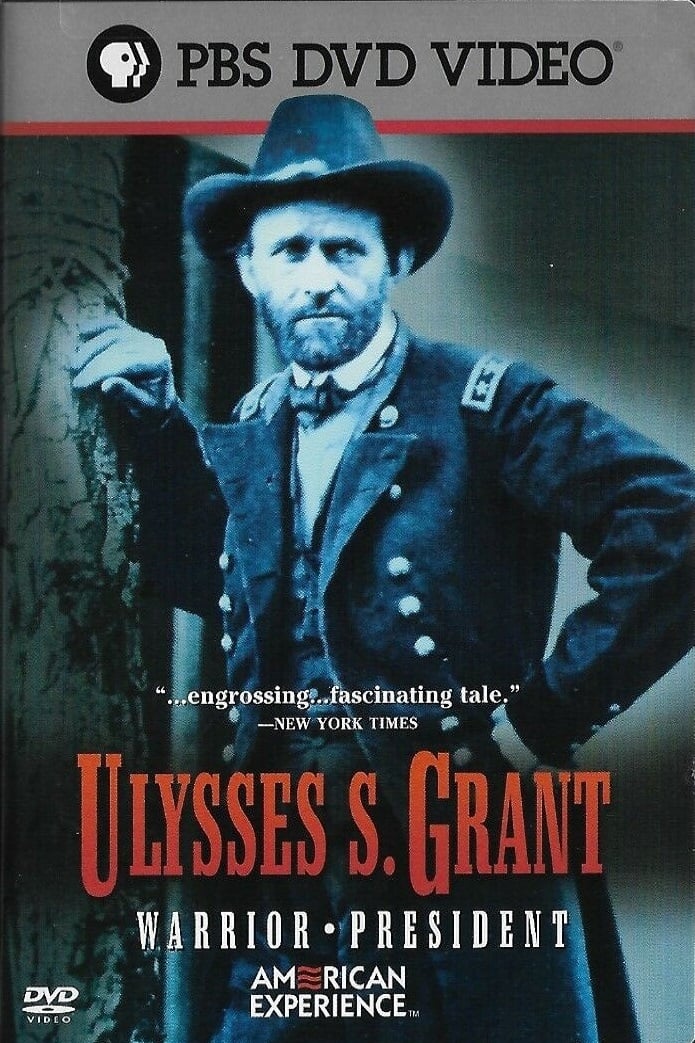
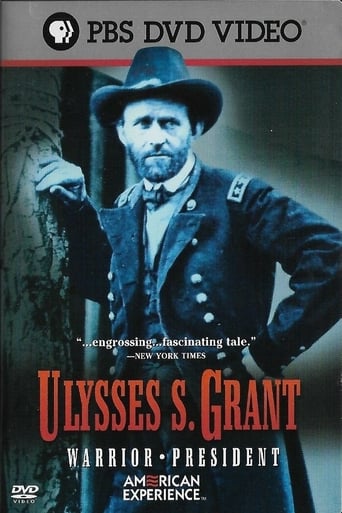
As a general, he had fought to preserve the Union. As president, he helped to oversee the transformation from union to nation. As a former president, he was the embodiment of the very idea of national union, and of America's entry onto the world stage. As a dying general, he was the symbol of the nation's greatest and most traumatic war. The story of Ulysses S. Grant's life, from his first days on the Ohio frontier to his last days out-writing death in the Adirondacks, is an endlessly fascinating one. Few public figures have ever held a such a firm grip on the American popular imagination. Grant was a man whose rise from obscurity made him a hero to millions who could see themselves in him. An ordinary man who faced and met extraordinary challenges, his successes and failures seemed to encapsulate the national character. He was so popular with the American public that, despite his two scandal-ridden terms as president, he was nearly nominated to run for a third term.
Top Cast



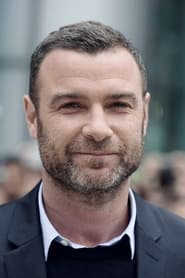
Liev Schreiber
Liev Schreiber
Narrator
Liev Schreiber
Narrator
Similar Movies
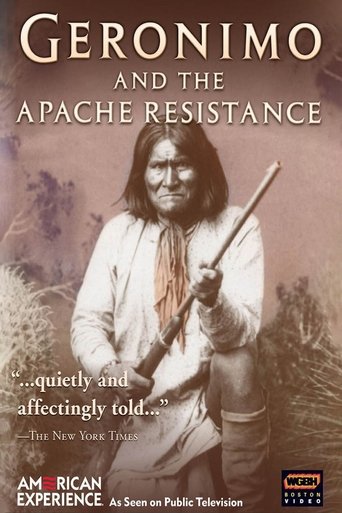
Legendary Apache warrior Geronimo was loved by his people for his fierce courage while pioneers feared him as a cold-blooded murderer. This program searches for the truth behind the myth through the use of memoirs, letters, photographs and interviews with the descendants of those who fought alongside Geronimo. Learn the mysteries of the Apache tribe that helped them stand up to any outside threats and escape danger.
Arguably one of the most fateful and resonant events of the last half millennium, the Pilgrims journey west across the Atlantic in the early 17th century is a seminal, if often misunderstood episode of American and world history. The Pilgrims explores the forces, circumstances, personalities and events that converged to exile the English group in Holland and eventually propel their crossing to the New World; a story universally familiar in broad outline, but almost entirely unfamiliar to a general audience in its rich and compelling historical actuality. Includes the real history of the "first thanksgiving".
Shortly before dawn on August 21, 1992, six heavily armed U.S. marshals made their way up to the isolated mountaintop home of Randy and Vicki Weaver and their children on Ruby Ridge in Northern Idaho. Charged with selling two illegal sawed-off shotguns to an undercover agent, Weaver had failed to appear in court and law enforcement was tasked with bringing him in. For months, the Weavers had been holed up on their property with a cache of firearms, including automatic weapons. When the federal agents surveilling the property crossed paths with members of the family, a firefight broke out. The standoff that mesmerized the nation would leave Weaver injured, his wife and son dead, and some convinced that the federal government was out of control. Drawing upon eyewitness accounts, including interviews with Weaver’s daughter, Sara, and federal agents involved in the confrontation, Ruby Ridge is a riveting account of the event that helped give rise to the modern American militia movement.
Based on eight years of continued prosperity, presidents and economists alike confidently predicted that America would soon enter a time when there would be no more poverty, no more depressions -- a "New Era" when everyone could be rich. But when reality finally struck, the consequences of such unbound optimism shocked the world.
In the 50s and 60s, deep in the American countryside at the foot of the Catskills, a small wooden house with a barn behind it was home to the first clandestine network of cross-dressers. Diane and Kate are now 80 years old. At the time, they were men and part of this secret organization. Today, they relate this forgotten but essential chapter of the early days of trans-identity. It is a story full of noise and fury, rich in extraordinary characters, including the famous Susanna, who had the courage to create this refuge that came to be known as Casa Susanna.
The film interweaves the personal accounts of polio survivors with the story of an ardent crusader who tirelessly fought on their behalf while scientists raced to eradicate this dreaded disease. Based in part on the Pulitzer Prize-winning book Polio: An American Story by David Oshinsky, Features interviews with historians, scientists, polio survivors, and the only surviving scientist from the core research team that developed the Salk vaccine, Julius Youngner.
In February 1939, more than 20,000 Americans filled Madison Square Garden for an event billed as a “Pro-American Rally.” Images of George Washington hung next to swastikas and speakers railed against the “Jewish controlled media” and called for a return to a racially “pure” America. The keynote speaker was Fritz Kuhn, head of the German American Bund. Nazi Town, USA tells the largely unknown story of the Bund, which had scores of chapters in suburbs and big cities across the country and represented what many believe was a real threat of fascist subversion in the United States. The Bund held joint rallies with the Ku Klux Klan and ran dozens of summer camps for children centered around Nazi ideology and imagery. Its melding of patriotic values with virulent anti-Semitism raised thorny issues that we continue to wrestle with today.
On August 8, 1908, at a racetrack outside Paris, Wilbur Wright executed what was, for him, a routine flight: a smooth take-off banking into a couple of tight circles, ending in a perfect landing. The flight took less than two minutes, but it left spectators awestruck. While the combined talents of Wilbur and Orville Wright had produced the first plane capable of controlled flight , their distrust of others had almost cost them the credit for their invention. Now, having proved to the public that they had mastered the sky, the reserved brothers from the small town of Dayton, Ohio, became world celebrities.
As a general, he had fought to preserve the Union. As president, he helped to oversee the transformation from union to nation. As a former president, he was the embodiment of the very idea of national union, and of America's entry onto the world stage. As a dying general, he was the symbol of the nation's greatest and most traumatic war. The story of Ulysses S. Grant's life, from his first days on the Ohio frontier to his last days out-writing death in the Adirondacks, is an endlessly fascinating one. Few public figures have ever held a such a firm grip on the American popular imagination. Grant was a man whose rise from obscurity made him a hero to millions who could see themselves in him. An ordinary man who faced and met extraordinary challenges, his successes and failures seemed to encapsulate the national character. He was so popular with the American public that, despite his two scandal-ridden terms as president, he was nearly nominated to run for a third term.
In 1988, after two terms in office, Ronald Reagan left the White House one of the most popular presidents of the twentieth century -- and one of the most controversial. A failed actor, Reagan became a passionate ideologue who preached a simple gospel of lower taxes, less government, and anti-communism.