

The Forgotten Plague
Documentary · History
Overview
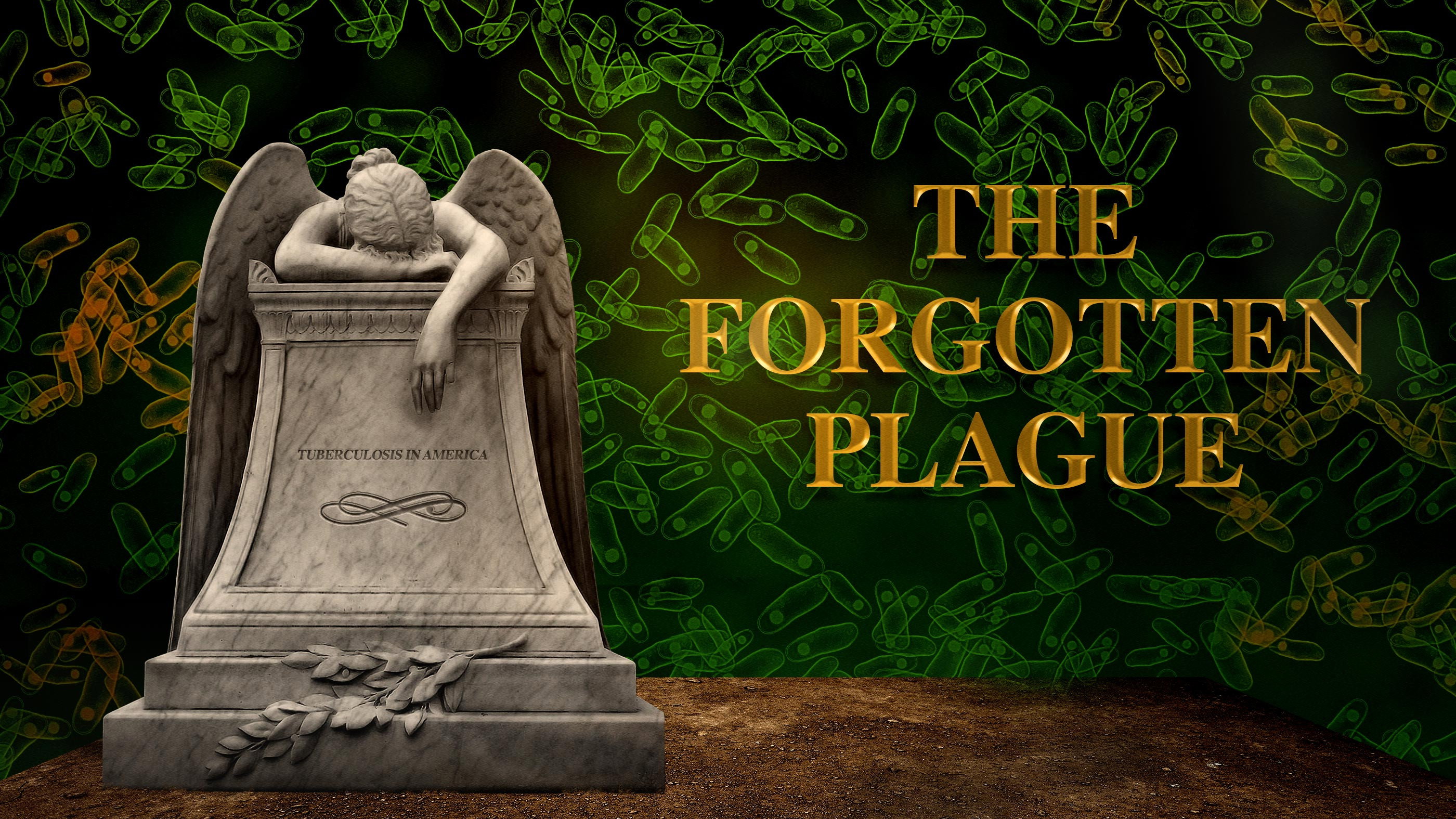
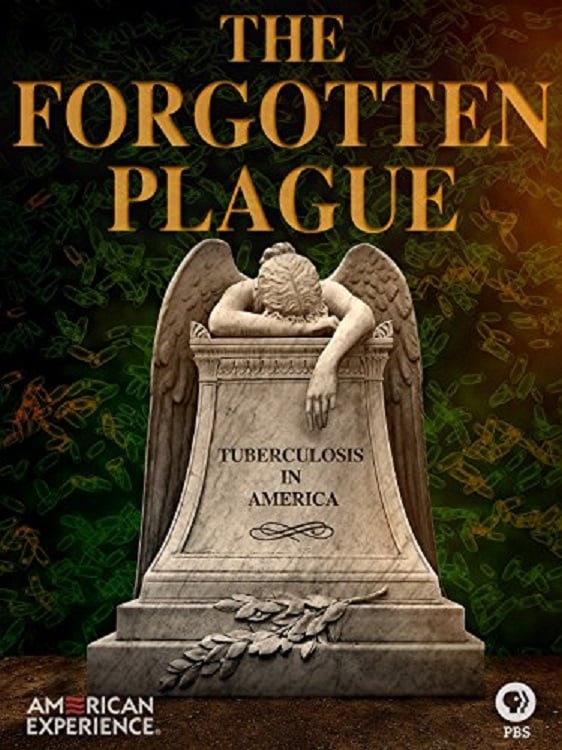
Tuberculosis is the deadliest killer in human history, responsible for one in four deaths for almost two centuries. While it shaped medical pursuits, social habits, economic development and public policy, TB and its impact are poorly understood.
Top Cast
Michael Murphy
Himself - Narrator (voice)
Andrea Barrett
Herself - Writer
Andrea Cooper
Herself - Immunologist
Joanne Curtis
Herself - TB Survivor
Sherwood Davies
Himself - TB Survivor
Mary Hotaling
Herself - Writer
Peter Pringle
Himself - Writer
Sheila Rothman
Herself - Author, Living in the Shadow of Death
Vivian Schatz
Herself - Wife
Whitney Seymour Jr.
Himself - TB Survivor
John Stoeckle
Himself - TB Survivor
Nancy Tomes
Herself - Historian





Michael Murphy
Michael Murphy
Himself - Narrator (voice)
Michael Murphy
Himself - Narrator (voice)
Andrea Barrett
Andrea Barrett
Herself - Writer
Andrea Barrett
Herself - Writer
Andrea Cooper
Andrea Cooper
Herself - Immunologist
Andrea Cooper
Herself - Immunologist
Joanne Curtis
Joanne Curtis
Herself - TB Survivor
Joanne Curtis
Herself - TB Survivor
Sherwood Davies
Sherwood Davies
Himself - TB Survivor
Sherwood Davies
Himself - TB Survivor
Mary Hotaling
Mary Hotaling
Herself - Writer
Mary Hotaling
Herself - Writer
Peter Pringle
Peter Pringle
Himself - Writer
Peter Pringle
Himself - Writer
Sheila Rothman
Sheila Rothman
Herself - Author, Living in the Shadow of Death
Sheila Rothman
Herself - Author, Living in the Shadow of Death
Vivian Schatz
Vivian Schatz
Herself - Wife
Vivian Schatz
Herself - Wife
Whitney Seymour Jr.
Whitney Seymour Jr.
Himself - TB Survivor
Whitney Seymour Jr.
Himself - TB Survivor
Similar Movies
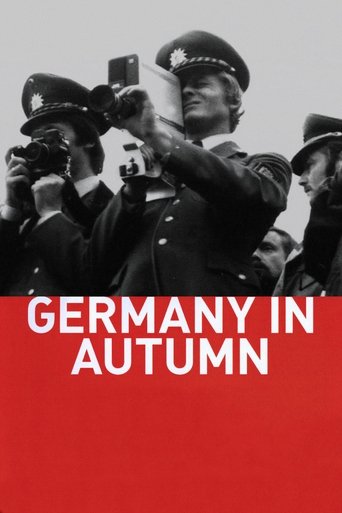
Nine fictitious documentaries and films reflect the mood of late 1970s Germany, particularly the two-month period in 1977 when a businessman was kidnapped by the RAF (Red Army Faction). The kidnap had been made to orchestrate the release of the original leaders of the RAF, aka the Baader-Meinhof.

Rafael - the minister of sports of an unrecognized country, and Natasha - a Russian opera singer, try living together in Abkhazia - a war-torn future-less country. Observing their difficult relations, we see life in a place marked by war and nationalism. The film portrays trapped people dreaming of peace, normality and happiness.

Through rare and precious footages and gigs with great artists such as Gilberto Gil, Gal Costa, Hermeto Pascoal, Djavan, Nara Leao, Luiz Gonzaga, among many others, "Dominguinhos" reveals this genius of Brazilian music, creator of a deeply authentic, universal and contemporary work. The film values the sensory cinematic experience, a journey driven by Dominguinhos his own.
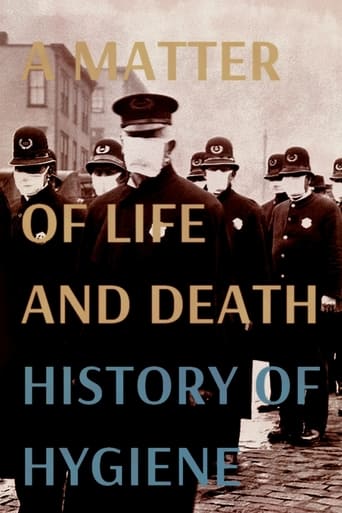
Hygienic habits are as old as the various human civilizations; but each era establishes its own customs: whether private or public, everywhere and at all times, methods of personal cleanliness have depended on cultural conventions, religious morals, political ideologies and economic interests; because the control of basic hygiene has also been and is one more tool in the infinite exercise of power over the masses.