

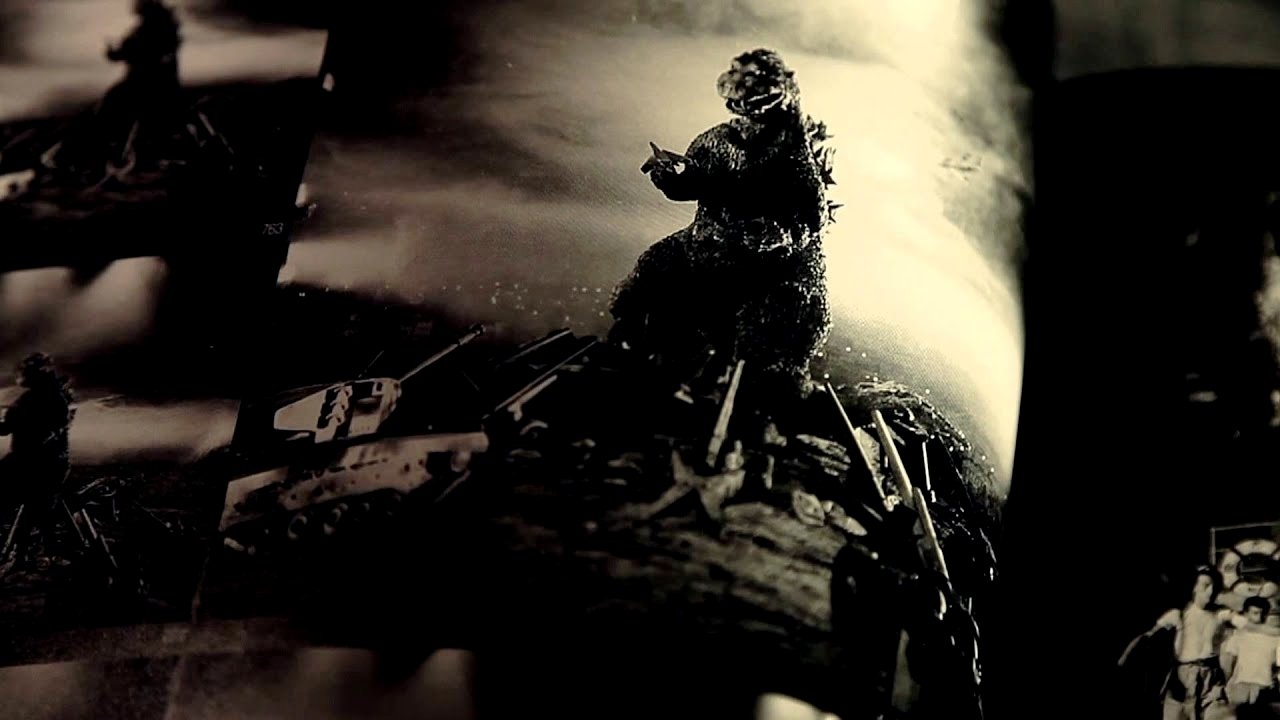

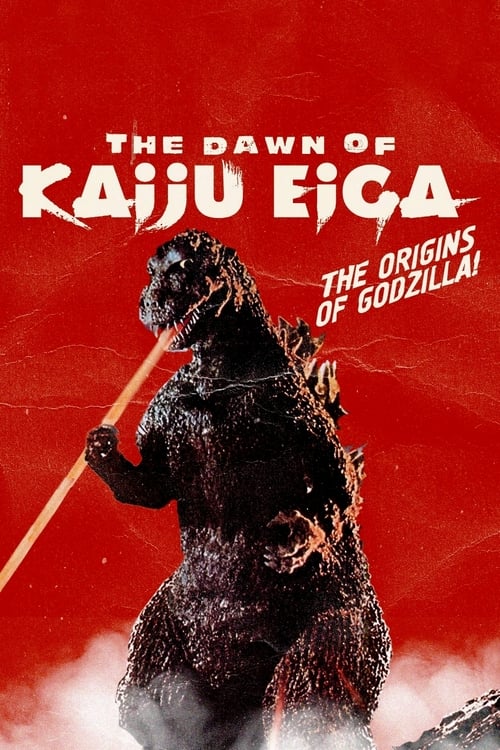
The Dawn of Kaiju Eiga
Documentary · History
Overview
Japan, 1954. A legend emerges from the ashes of Hiroshima and Nagasaki, devastated by atomic bombs in 1945. The creature's name is Godzilla. The film that tells its story is the first of kaiju eiga, the giant monster movies.
Top Cast

Akira Takarada
Self - Actor
Haruo Nakajima
Self - Suit Actor
Kenpachirō Satsuma
Self - Suit Actor
Shusuke Kaneko
Self - Filmmaker

Akira Kubo
Self - Actor
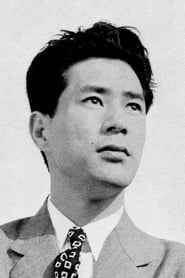
Hiroshi Koizumi
Self - Actor

Kazuki Ōmori
Self - Filmmaker
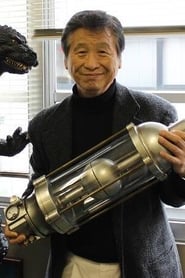
Koichi Kawakita
Self - Filmmaker
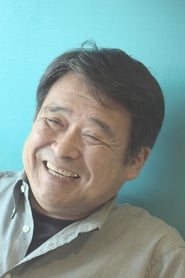
Masaaki Tezuka
Self - Filmmaker
Yoshikazu Ishii
Self - Filmmaker
Alain Vézina
Self - Filmmaker
Daniel Aguilar
Self - Filmmaker


Akira Takarada
Akira Takarada
Self - Actor
Akira Takarada
Self - Actor
Haruo Nakajima
Haruo Nakajima
Self - Suit Actor
Haruo Nakajima
Self - Suit Actor
Kenpachirō Satsuma
Kenpachirō Satsuma
Self - Suit Actor
Kenpachirō Satsuma
Self - Suit Actor
Shusuke Kaneko
Shusuke Kaneko
Self - Filmmaker
Shusuke Kaneko
Self - Filmmaker
Akira Kubo
Akira Kubo
Self - Actor
Akira Kubo
Self - Actor
Hiroshi Koizumi
Hiroshi Koizumi
Self - Actor
Hiroshi Koizumi
Self - Actor
Kazuki Ōmori
Kazuki Ōmori
Self - Filmmaker
Kazuki Ōmori
Self - Filmmaker
Koichi Kawakita
Koichi Kawakita
Self - Filmmaker
Koichi Kawakita
Self - Filmmaker
Masaaki Tezuka
Masaaki Tezuka
Self - Filmmaker
Masaaki Tezuka
Self - Filmmaker
Yoshikazu Ishii
Yoshikazu Ishii
Self - Filmmaker
Yoshikazu Ishii
Self - Filmmaker
Similar Movies
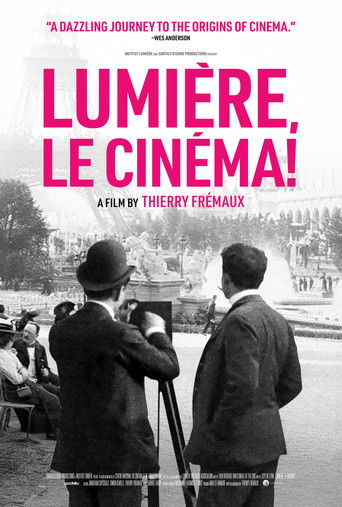
In one of those wonderful coincidences of history, lumière, the French word for “light,” was also the last name of brothers Auguste and Louis, whose brilliant invention, the cinematograph, helped to inaugurate the most beloved art form of the last 130 years. Institute Lumière director Thierry Frémaux uses Lumière, Le Cinema! to guide the viewer through over a hundred shorts—some famous, some forgotten, some never before seen—directed by Lumière and company. In the process, Frémaux illuminates how the brothers employed the camera as a creative instrument as they (and their operators) mastered framing, staging, and subject selection for quotidian and exotic microdocumentaries as well as the first ever fictional motion pictures. The result is not only a glorious re(telling) of the genesis of cinema but a profound meditation on the beautiful world captured—and the mysterious world imagined—by the Lumières.

For more than 40 years Kathryn Bigelow has been making films that explore male violence. With movies like Blue Steel, Point Break, The Hurt Locker and Zero Dark Thirty, the Oscar winning American filmmaker has impressed with hard-hitting moviemaking that holds a mirror up to contemporary America and the world.
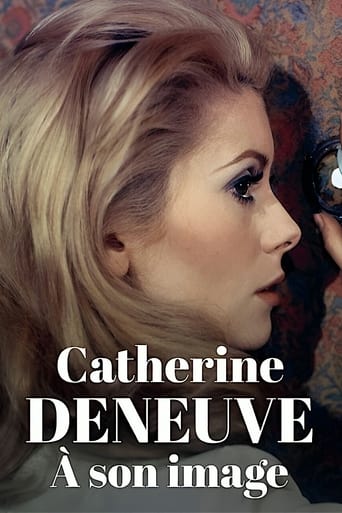
She worked with the world’s greatest actors and directors: Buñuel, Mastroianni, Lellouche, Depardieu... The film guides us throughout her career with the filmmakers with whom she invented herself not to be a “cold blonde actress”, thanks to great interviews of many artists who crossed her path.

After the atomic obliteration of Hiroshima and Nagasaki, over 36,000 Australian men and women, part of the British Commonwealth Occupation Force (BCOF), marched onto Japanese soil. They were assigned the toughest and most dangerous area of Japan: Hiroshima Prefecture, which included the atom-bombed city. The Forgotten Force tells for the first time the story of Australia's role in Japan. Rare archival and private footage, photographs and eyewitness accounts from both sides vividly recreate the atmosphere of post-war Japan - the horror of Hiroshima and its aftermath; the struggle to build a new "democratic" society while under the heel of military rule; the growth from suspicion and fear to friendship and trust between foes.
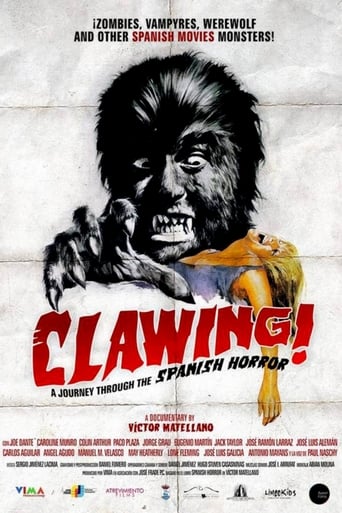
In the late sixties, Spanish cinema began to produce a huge amount of horror genre films: international markets were opened, the production was continuous, a small star-system was created, as well as a solid group of specialized directors. Although foreign trends were imitated, Spanish horror offered a particular approach to sex, blood and violence. It was an extremely unusual artistic movement in Franco's Spain.