


History
Overview
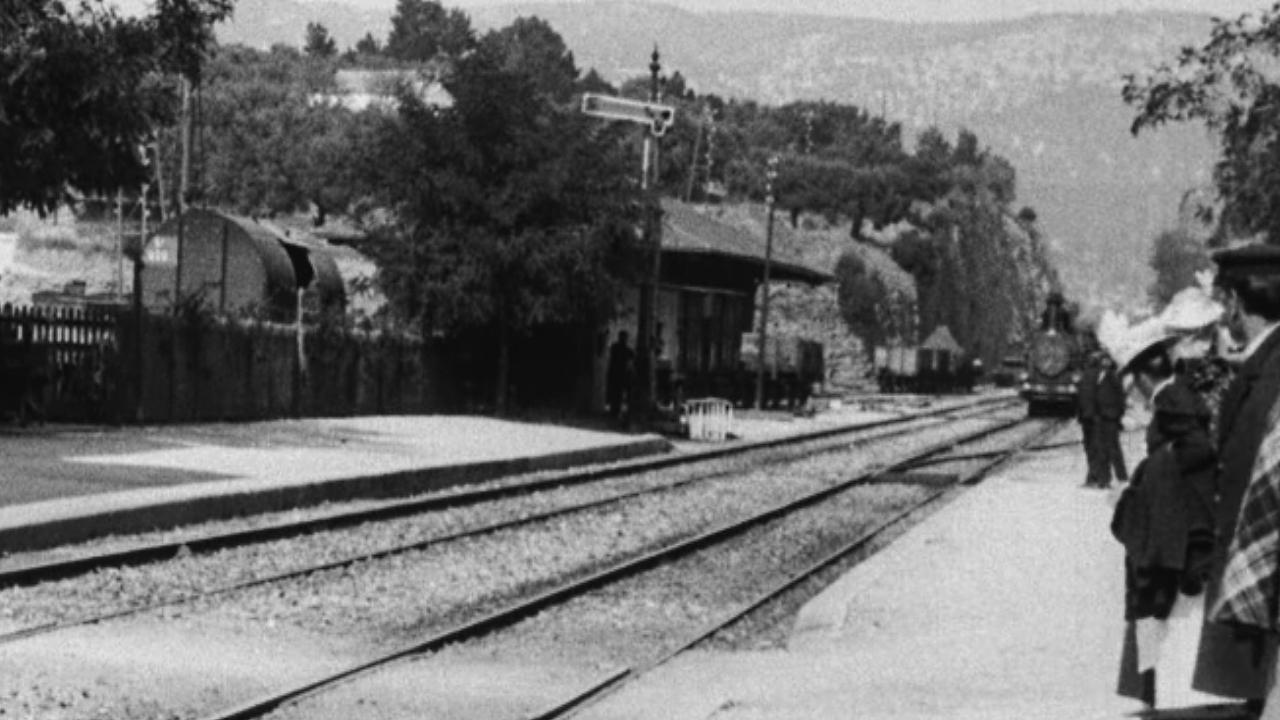
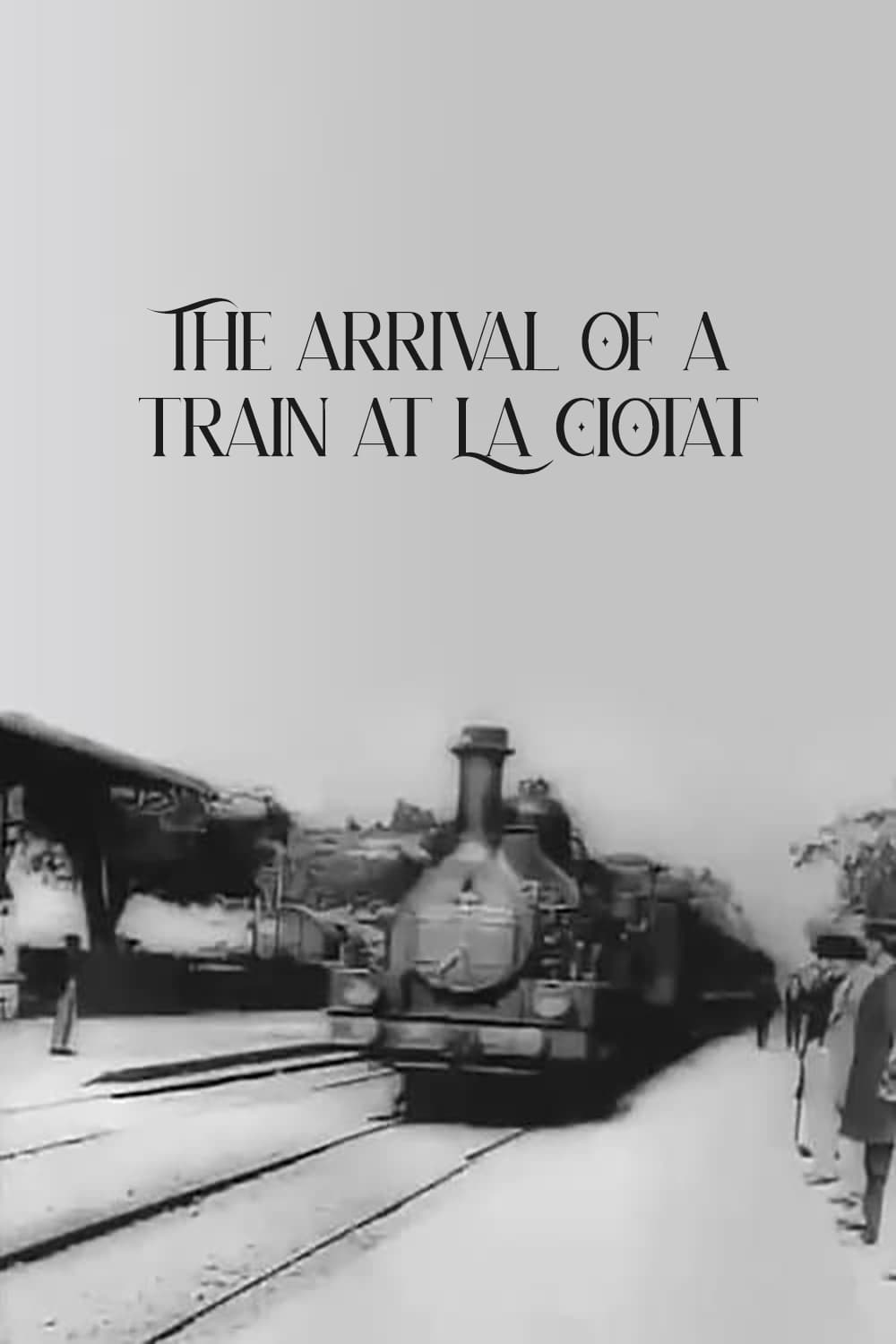
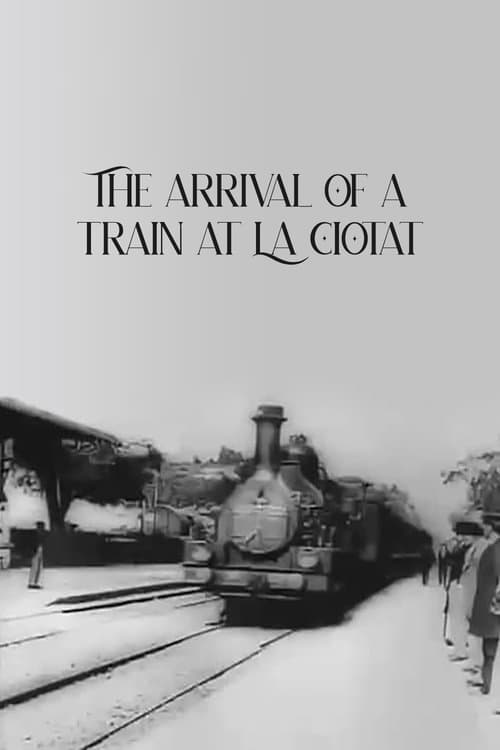
A group of people are standing along the platform of a railway station in La Ciotat, waiting for a train. One is seen coming, at some distance, and eventually stops at the platform. Doors of the railway-cars open and attendants help passengers off and on. Popular legend has it that, when this film was shown, the first-night audience fled the café in terror, fearing being run over by the "approaching" train. This legend has since been identified as promotional embellishment, though there is evidence to suggest that people were astounded at the capabilities of the Lumières' cinématographe.





Madeleine Koehler
Madeleine Koehler
Self
Madeleine Koehler
Self
Marcel Koehler
Marcel Koehler
Self
Marcel Koehler
Self
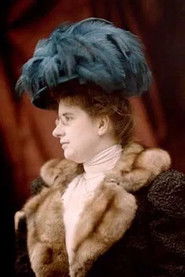
Marguerite Lumière
Marguerite Lumière
Self
Marguerite Lumière
Self
Jeanne-Joséphine Lumière
Jeanne-Joséphine Lumière
Self
Jeanne-Joséphine Lumière
Self
Rose Lumière
Rose Lumière
Self
Rose Lumière
Self
Suzanne Lumière
Suzanne Lumière
Self
Suzanne Lumière
Self
Similar Movies
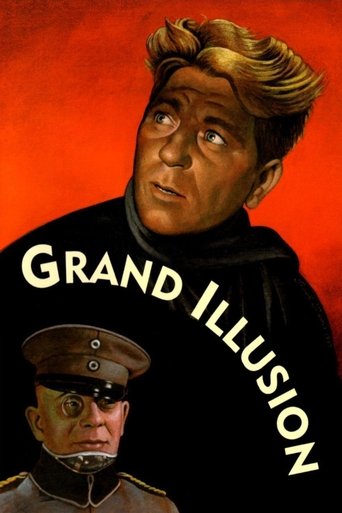
A group of French soldiers, including the patrician Captain de Boeldieu and the working-class Lieutenant Maréchal, grapple with their own class differences after being captured and held in a World War I German prison camp. When the men are transferred to a high-security fortress, they must concoct a plan to escape beneath the watchful eye of aristocratic German officer von Rauffenstein, who has formed an unexpected bond with de Boeldieu.

During the student crisis of 1968, Ines, an 18-year-old homosexual, is prevented from attending law school by her family, who believe that this is not the right course for a woman. This awakens in Inês a feeling of injustice, which leads her to accept Julio's invitation to join the high school students' association. The next day, we find out that the student association has been closed since they found a copy of the clandestine newspaper "Avante!" on the premises. The rectory then decides to expel suspicious students, starting a revolt in the high school and an ideological confrontation between the couple of Inês and Adelaide.
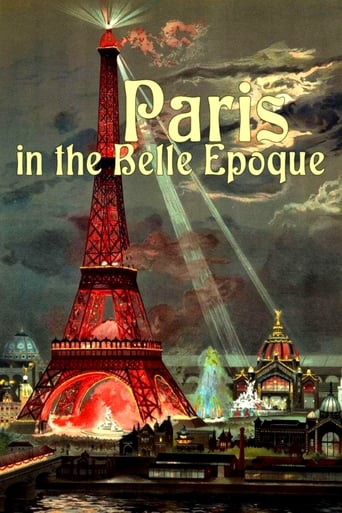
The Bokelberg photographic collection brings to life the Paris of the Belle Époque (1871-1914), an exhibition of workshops and stores with extremely beautiful shop windows before which the owners and their employees proudly pose, hiding behind their eyes the secret history of a great era.
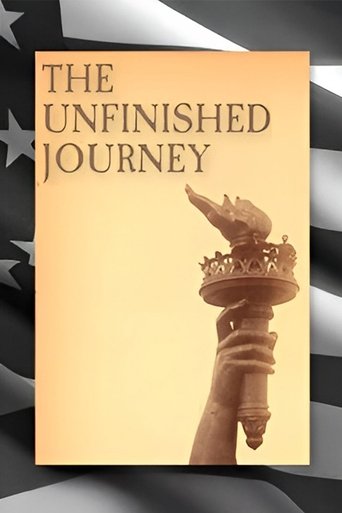
A multimedia short created for the U.S. millennium celebrations, The Unfinished Journey reflects on America’s history and spirit through six chapters—immigration, war, culture, civil rights, and innovation. Commissioned by President Bill Clinton and premiered at the Lincoln Memorial on New Year’s Eve 1999, the film features an original orchestral score by John Williams titled American Journey.
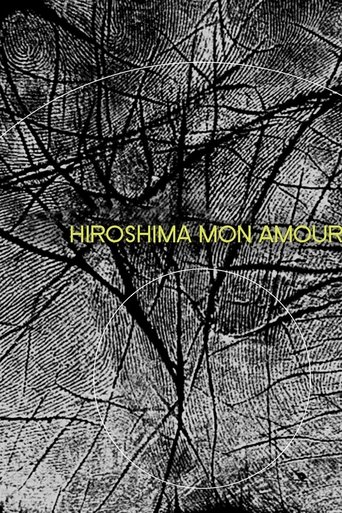
The deep conversation between a Japanese architect and a French actress forms the basis of this celebrated French film, considered one of the vanguard productions of the French New Wave. Set in Hiroshima after the end of World War II, the couple -- lovers turned friends -- recount, over many hours, previous romances and life experiences. The two intertwine their stories about the past with pondering the devastation wrought by the atomic bomb dropped on the city.
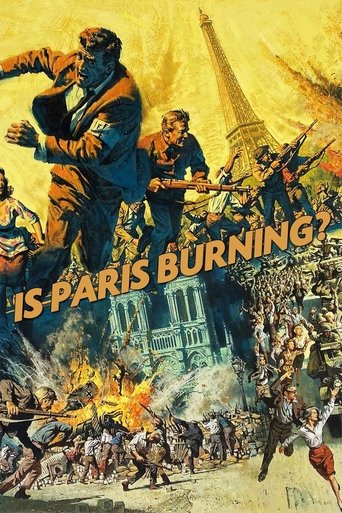
Near the end of World War II, Gen. Dietrich von Choltitz receives orders to burn down Paris if it becomes clear the Allies are going to invade, or if he cannot maintain control of the city. After much contemplation Choltitz decides to ignore his orders, enraging the Germans and giving hope to various resistance factions that the city will be liberated. Choltitz, along with Swedish diplomat Raoul Nordling, helps a resistance leader organize his forces.
"In 1904, disgusted by the aftermath of the Spanish-American War and the subsequent Philippine-American War, Mark Twain wrote a short anti-war prose poem called "The War Prayer." His family begged him not to publish it, his friends advised him to bury it, and his publisher rejected it, thinking it too inflammatory for the times. Twain agreed, but instructed that it be published after his death, saying famously: None but the dead are permitted to tell the truth."