

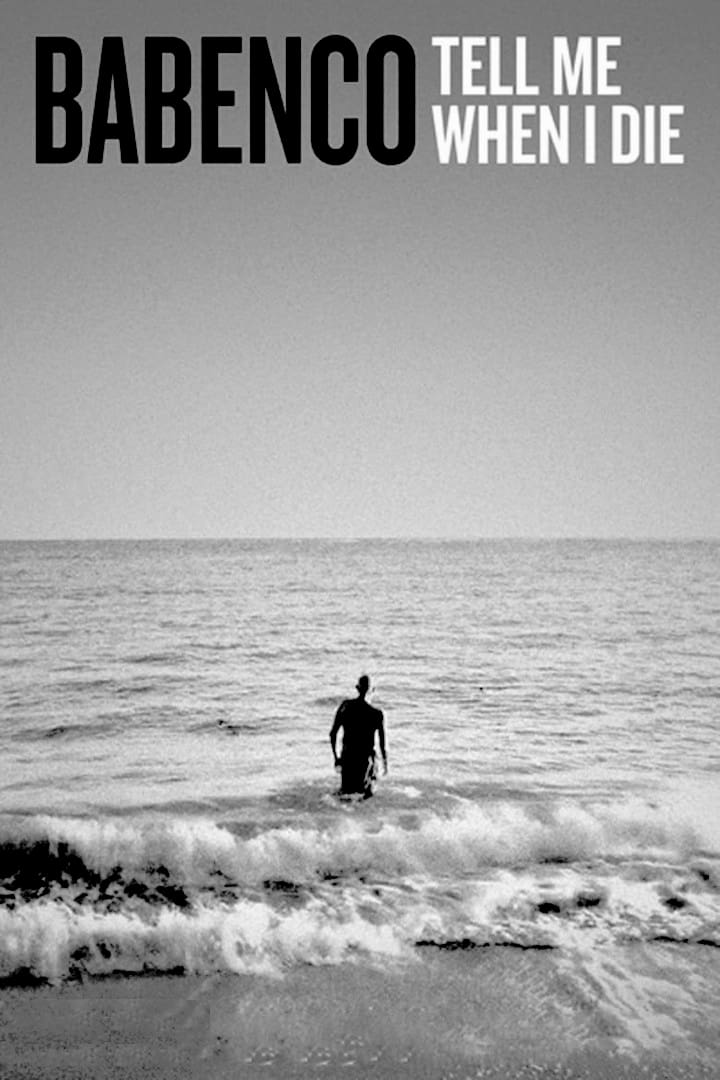
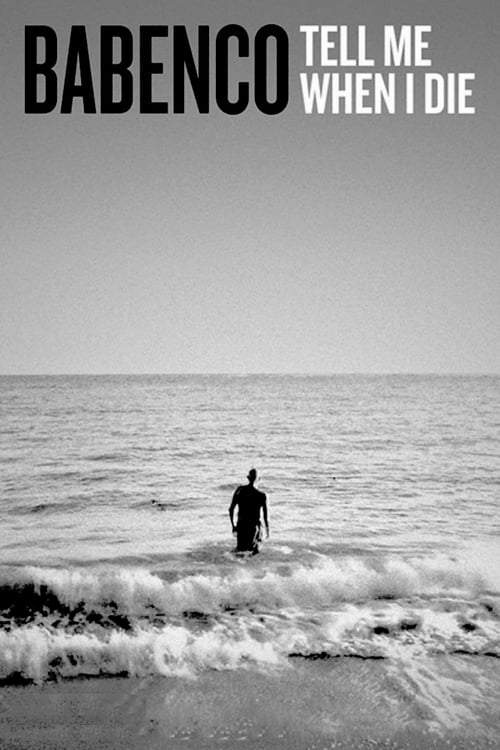
Babenco: Tell Me When I Die
Documentary
Overview
Besieged by cancer and nearing the end, the genius Argentine-Brazilian filmmaker Héctor Babenco (1946-2016) asks Bárbara Paz, his wife, for one last wish: to be the protagonist of his own death.




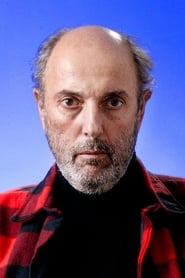
Héctor Babenco
Héctor Babenco
Self
Héctor Babenco
Self

Willem Dafoe
Willem Dafoe
Self
Willem Dafoe
Self
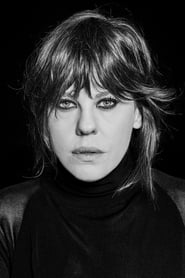
Bárbara Paz
Bárbara Paz
Self
Bárbara Paz
Self
Ana Simonsen
Ana Simonsen
Ana Simonsen
Pedro Simonsen
Pedro Simonsen
Pedro Simonsen
Chen Lin
Chen Lin
Hong Kong Model
Chen Lin
Hong Kong Model
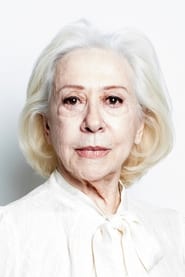
Fernanda Montenegro
Fernanda Montenegro
Banquet Attendee
Fernanda Montenegro
Banquet Attendee

Paulo José
Paulo José
Banquet Attendee
Paulo José
Banquet Attendee

Fernanda Torres
Fernanda Torres
Banquet Attendee
Fernanda Torres
Banquet Attendee

Selton Mello
Selton Mello
Banquet Attendee
Selton Mello
Banquet Attendee
Similar Movies
Since the uprising of a pro Russian insurgency in eastern Ukraine in 2014, hundreds of women joined the army. Only a few made it to the front line. Filmmaker Masha embeds herself in the war zone to follow the daily life of three of them. By sharing the intimacy of these fighters, Masha soon becomes a victim of this brotherhood conflict jeopardizing this film and her life.
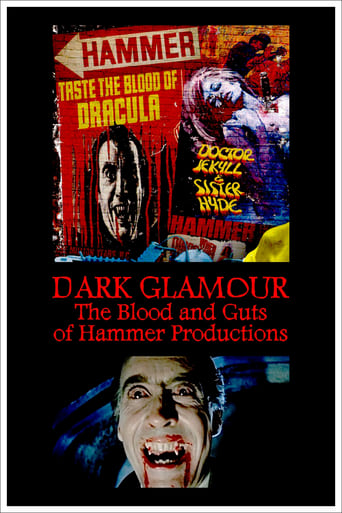
The greatness, fall and renaissance of Hammer, the flagship company of British popular cinema, mainly from 1955 to 1968. Tortured women and sadistic monsters populated oppressive scenarios in provocative productions that shocked censorship and disgusted critics but fascinated the public. Movies in which horror was shown in offensive colors: dreadful stories, told without prejudices, that offered fear, blood, sex and stunning performances.
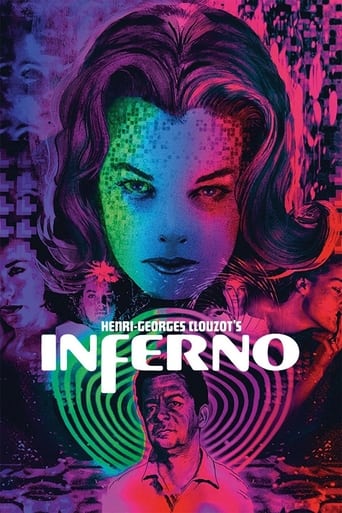
In 1964, Henri-Georges Clouzot's production of L'Enfer came to a halt. Despite huge expectations, major studio backing and an unlimited budget, after three weeks the production collapsed. This documentary presents Inferno's incredible expressionistic original rushes, screen tests, and on-location footage, whilst also reconstructing Clouzot's original vision, and shedding light on the ill-fated endeavor through interviews, dramatizations of unfilmed scenes, and Clouzot's own notes.
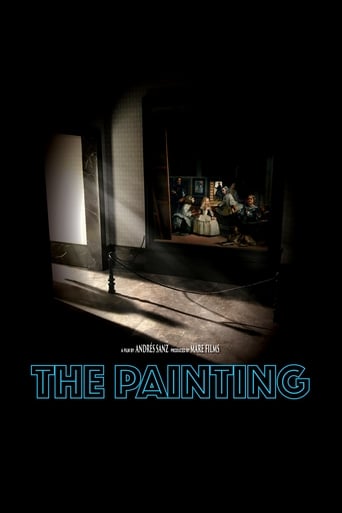
For three and a half centuries, from the same day that Diego Velázquez (1599-1660) applied his last brushstroke to the canvas, the enigma of “Las meninas, o La familia de Felipe IV” (1656) has not been deciphered. The secret story of a painting unveiled as if it was the resolution of a perfect crime.
Great filmmakers claim the artistic influence of French director Henri-Georges Clouzot (1907-1977), a master of suspense, with a unique vision of the world, who knew how to offer both great shows and subtle studies of characters. Beyond the myth of the tyrannical director, a contrasting portrait of a visionary, an agitator, an artist against the system.
Czech painter and illustrator Alphonse Mucha (1860-1939) ranks among the pioneers of the Art Nouveau movement at the end of the 19th century. Virtually overnight, he becomes famous in Paris thanks to the posters that he designs to announce actress Sarah Bernhardt’s plays. But at the height of his fame, Mucha decides to leave Paris to realize his lifetime project.