

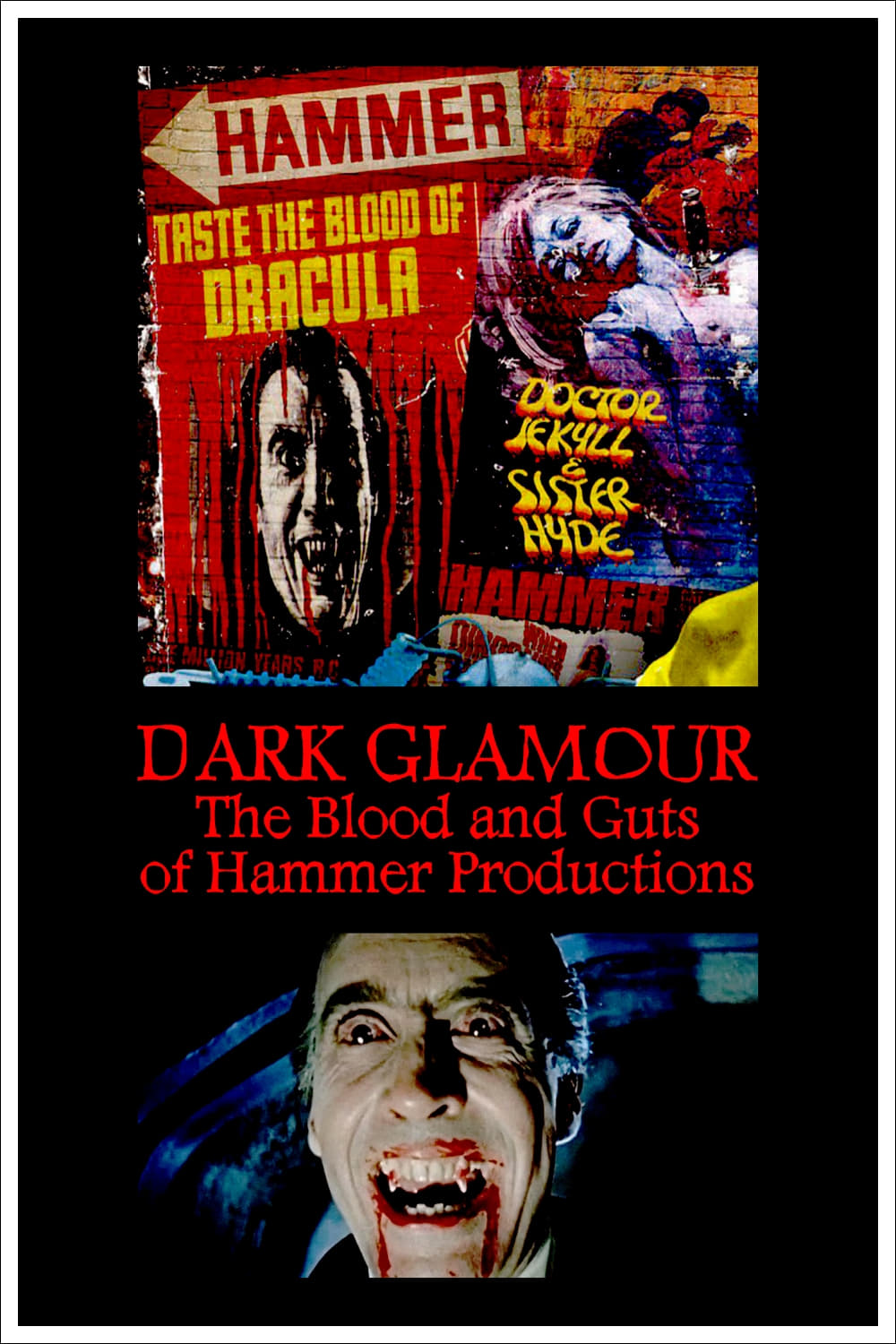
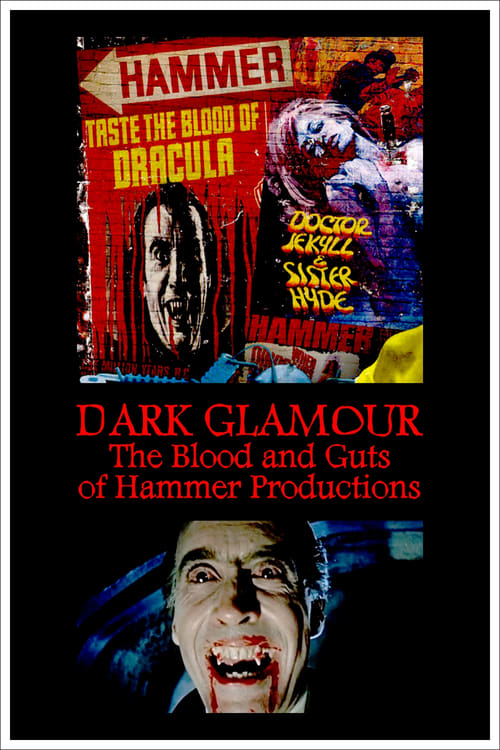
Dark Glamour: The Blood and Guts of Hammer Productions
Documentary · History · TV Movie
Overview
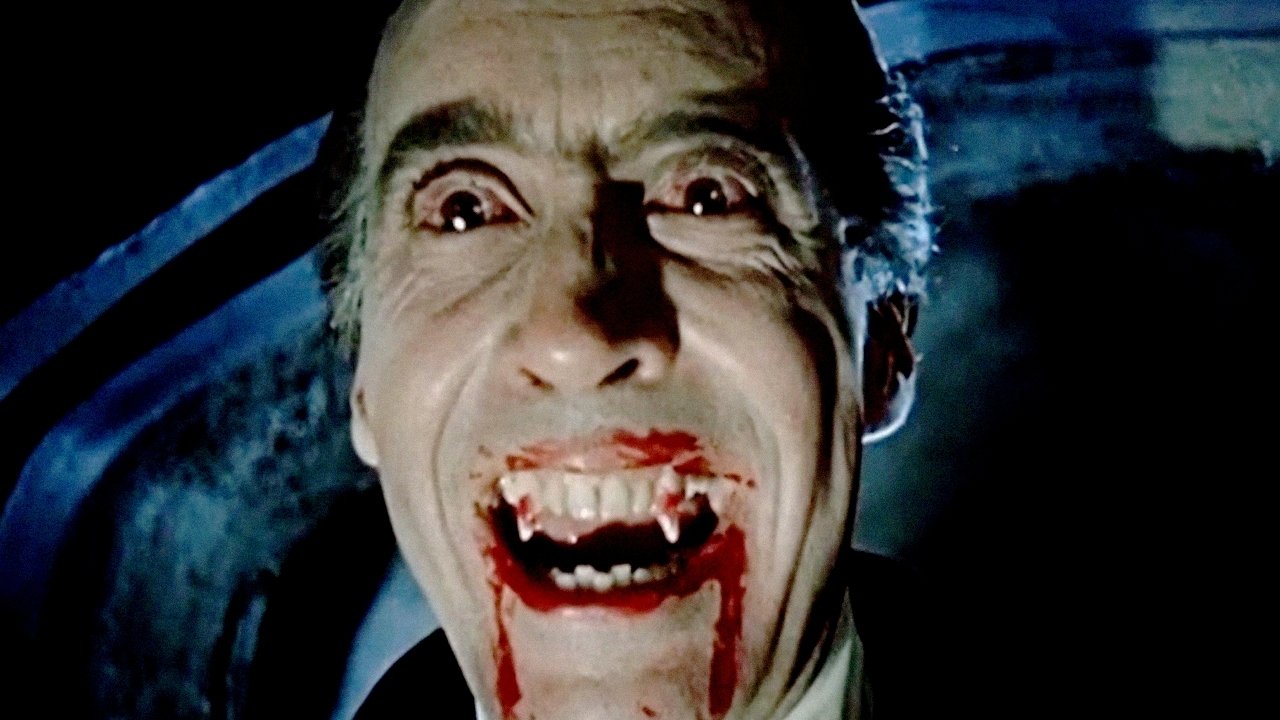
The greatness, fall and renaissance of Hammer, the flagship company of British popular cinema, mainly from 1955 to 1968. Tortured women and sadistic monsters populated oppressive scenarios in provocative productions that shocked censorship and disgusted critics but fascinated the public. Movies in which horror was shown in offensive colors: dreadful stories, told without prejudices, that offered fear, blood, sex and stunning performances.
Top Cast

Marcus Hearn
Self - Hammer Historian

Mick Garris
Self - Filmmaker
Dario Argento
Self - Filmmaker
Horst Janson
Self - Actor

Caroline Munro
Self - Actress / Various Roles
Joann Sfar
Self - Comic Author

John Carpenter
Self - Filmmaker

Simon Oakes
Self - Hammer CEO
Jonathan Rigby
Self - Film Historian / Actor

Elizabeth II of the United Kingdom
Self (archive footage)
Christopher Lee
Self - Actor / Various Roles (archive footage)
Peter Cushing
Self - Actor / Various Roles (archive footage)


Marcus Hearn
Marcus Hearn
Self - Hammer Historian
Marcus Hearn
Self - Hammer Historian
Mick Garris
Mick Garris
Self - Filmmaker
Mick Garris
Self - Filmmaker
Dario Argento
Dario Argento
Self - Filmmaker
Dario Argento
Self - Filmmaker
Horst Janson
Horst Janson
Self - Actor
Horst Janson
Self - Actor
Caroline Munro
Caroline Munro
Self - Actress / Various Roles
Caroline Munro
Self - Actress / Various Roles
Joann Sfar
Joann Sfar
Self - Comic Author
Joann Sfar
Self - Comic Author
John Carpenter
John Carpenter
Self - Filmmaker
John Carpenter
Self - Filmmaker
Simon Oakes
Simon Oakes
Self - Hammer CEO
Simon Oakes
Self - Hammer CEO
Jonathan Rigby
Jonathan Rigby
Self - Film Historian / Actor
Jonathan Rigby
Self - Film Historian / Actor
Elizabeth II of the United Kingdom
Elizabeth II of the United Kingdom
Self (archive footage)
Elizabeth II of the United Kingdom
Self (archive footage)
Similar Movies

As Hong Kong's foremost filmmaker, Johnnie To himself becomes the protagonist of this painstaking documentary exploring him and his Boundless world of film. A film student from Beijing and avid Johnnie To fan, Ferris Lin boldly approached To with a proposal to document the master director for his graduation thesis. To agreed immediately and Lin's camera closely followed him for over two years, capturing the man behind the movies and the myths. The result is Boundless, a candid profile of one of Hong Kong's greatest directors and a heartfelt love letter to Hong Kong cinema.
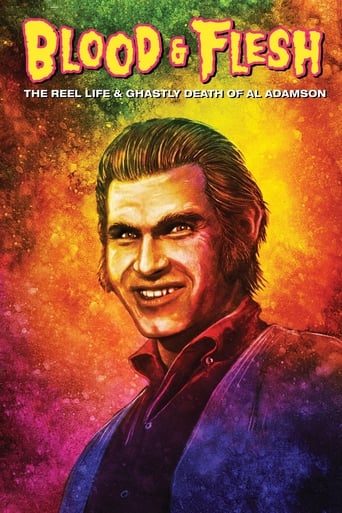
Brought to life through archival material and the reflections of over 40 colleagues, friends and fans, BLOOD & FLESH is much more than the story of a moviemaking life most unusual. It beautifully captures the worlds of outsider filmmaker communities that existed in California in the ’70s, and the weird ways they intersected with Hollywood mainstream and union indies. On Adamson shoots, regular Orson Welles crew and cinematographers like Gary Graver, Vilmos Szigmond and Lazlo Kovaks worked alongside Bud Cardos — and at one point, Charles Manson! Director David Gregory (founder of Severin Films, director of LOST SOUL: THE DOOMED JOURNEY OF RICHARD STANLEY’S ISLAND OF DR. MOREAU) spent years making this film, speaking to everyone down to the cops who investigated Adamson’s murder, vividly encapsulating both a bold life and tragic demise, with alien conspiracies, go-go dancers and Colonel Sanders coming in along the way. If you’ve got even a passing interest in cinema, you want to see this

Legends of the Knight weaves together the stirring true stories of individuals who have overcome devastating obstacles, unselfishly given to the community, and embraced their inner superhero because of their love of Batman. Through the deeply personal tales of Batman fans, writers, and filmmakers, this feature-length documentary explores the power of heroic stories and encourages viewers to find their own unique path to heroism. Funded by over 1,100 people from around the world, Legends of the Knight is a return to our childhood dreams of being a hero. Put on your cape, and be inspired!
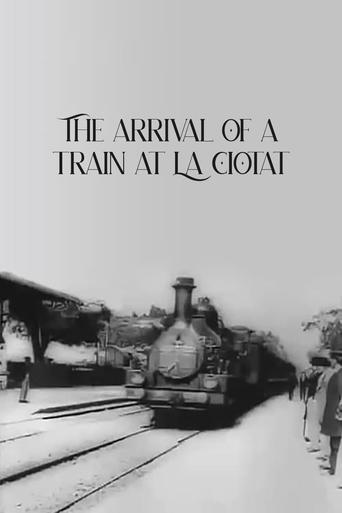
A group of people are standing along the platform of a railway station in La Ciotat, waiting for a train. One is seen coming, at some distance, and eventually stops at the platform. Doors of the railway-cars open and attendants help passengers off and on. Popular legend has it that, when this film was shown, the first-night audience fled the café in terror, fearing being run over by the "approaching" train. This legend has since been identified as promotional embellishment, though there is evidence to suggest that people were astounded at the capabilities of the Lumières' cinématographe.