

Stuntwomen
Documentary
Overview
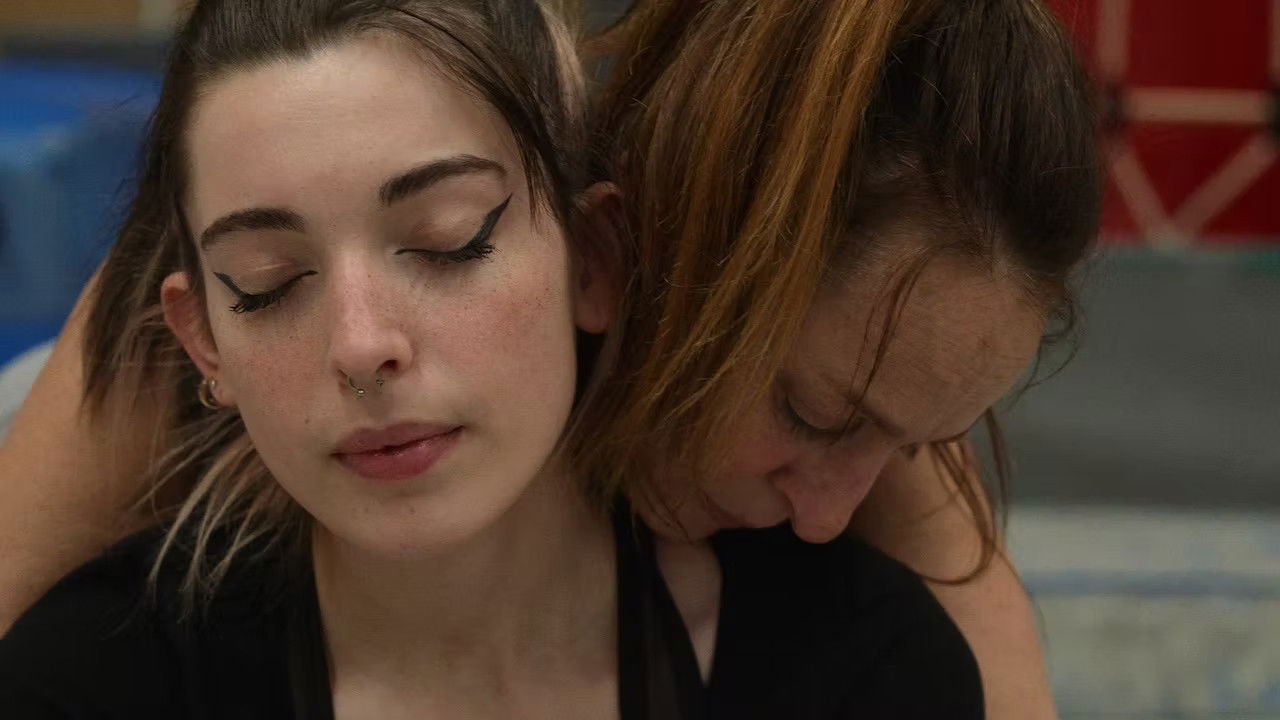
The daily life of Petra, Virginie, and Estelle, three stuntwomen, from the dangerous film sets, where they face all kinds of deadly dangers, to the safety of their homes.


Petra Sprecher
Petra Sprecher
Self
Petra Sprecher
Self

Virginie Arnaud
Virginie Arnaud
Self
Virginie Arnaud
Self

Estelle Piget
Estelle Piget
Self
Estelle Piget
Self
Priska Sprecher
Priska Sprecher
Self
Priska Sprecher
Self
Agnès Geminet
Agnès Geminet
Self
Agnès Geminet
Self
Joëlle Baland
Joëlle Baland
Self
Joëlle Baland
Self

Debbie Evans
Debbie Evans
Self
Debbie Evans
Self
Chloé Machin
Chloé Machin
Self
Chloé Machin
Self
Lola Arnaud
Lola Arnaud
Self
Lola Arnaud
Self
Lucero Maya
Lucero Maya
Self
Lucero Maya
Self
Similar Movies
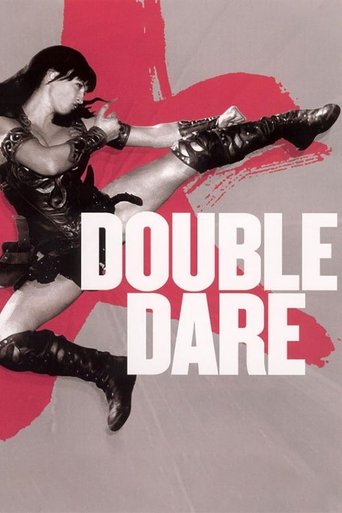
With being thrown off buildings an occupational hazard, professional stuntwomen Jeannie Epper and Zoë Bell (the alter egos of Wonder Woman and Xena, respectively) would seem well-equipped for any challenges Hollywood might dish out. But finding roles -- and respect -- in a male-dominated field can prove more harrowing than dodging punches.
A tribute to a fascinating film shot by Alfred Hitchcock in 1958, starring James Stewart and Kim Novak, and to the city of San Francisco, California, where the magic was created; but also a challenge: how to pay homage to a masterpiece without using its footage; how to do it simply by gathering images from various sources, all of them haunted by the curse of a mysterious green fog that seems to cause irrepressible vertigo…
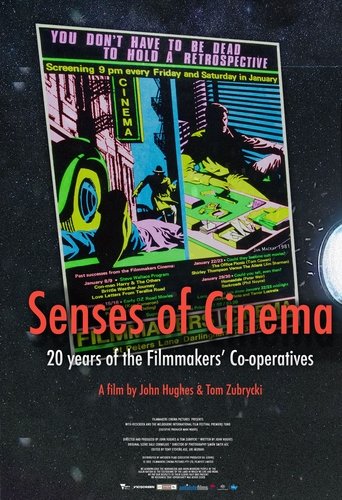
As notions of civil rights transformed across the world, so was the screen landscape reformed by the ascension of grassroots film movements seeking to challenge the mainstream. Some aspired to push form to its limit; others worked to destabilise what they saw as a homogenous industry, or to provoke questions around gender, sexuality, migration and race.
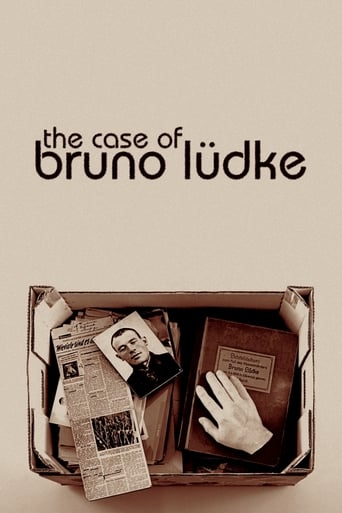
The incredible story of Bruno Lüdke (1908-44), the alleged worst mass murderer in German criminal history; or actually, a story of forged files and fake news that takes place during the darkest years of the Third Reich, when the principles of criminal justice, subjected to the yoke of a totalitarian system that is beginning to collapse, mean absolutely nothing.
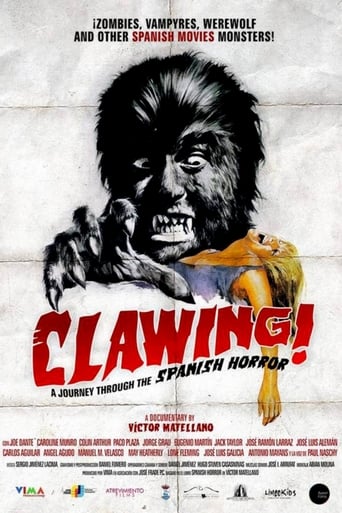
In the late sixties, Spanish cinema began to produce a huge amount of horror genre films: international markets were opened, the production was continuous, a small star-system was created, as well as a solid group of specialized directors. Although foreign trends were imitated, Spanish horror offered a particular approach to sex, blood and violence. It was an extremely unusual artistic movement in Franco's Spain.