

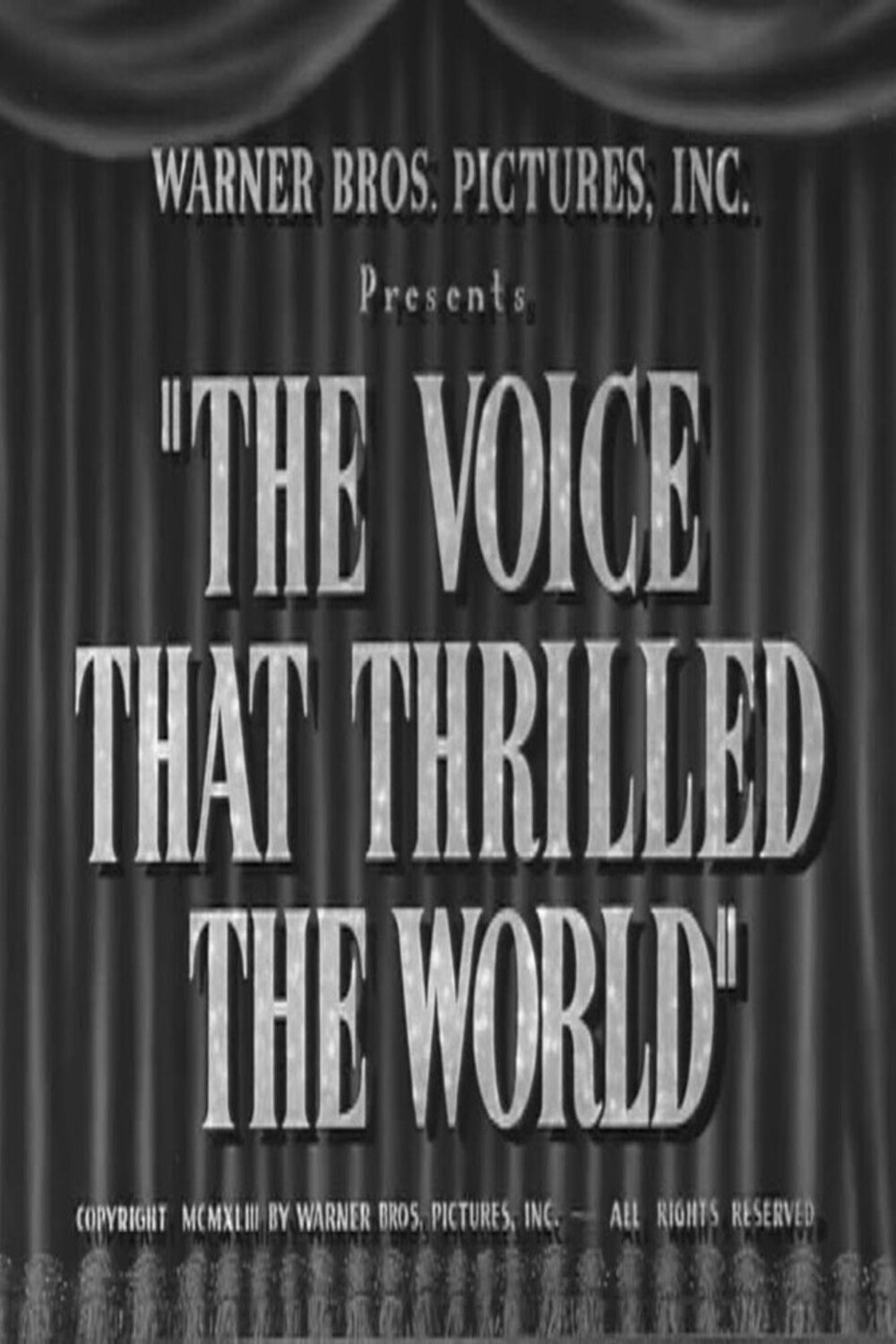
The Voice That Thrilled the World
History · Documentary
Overview
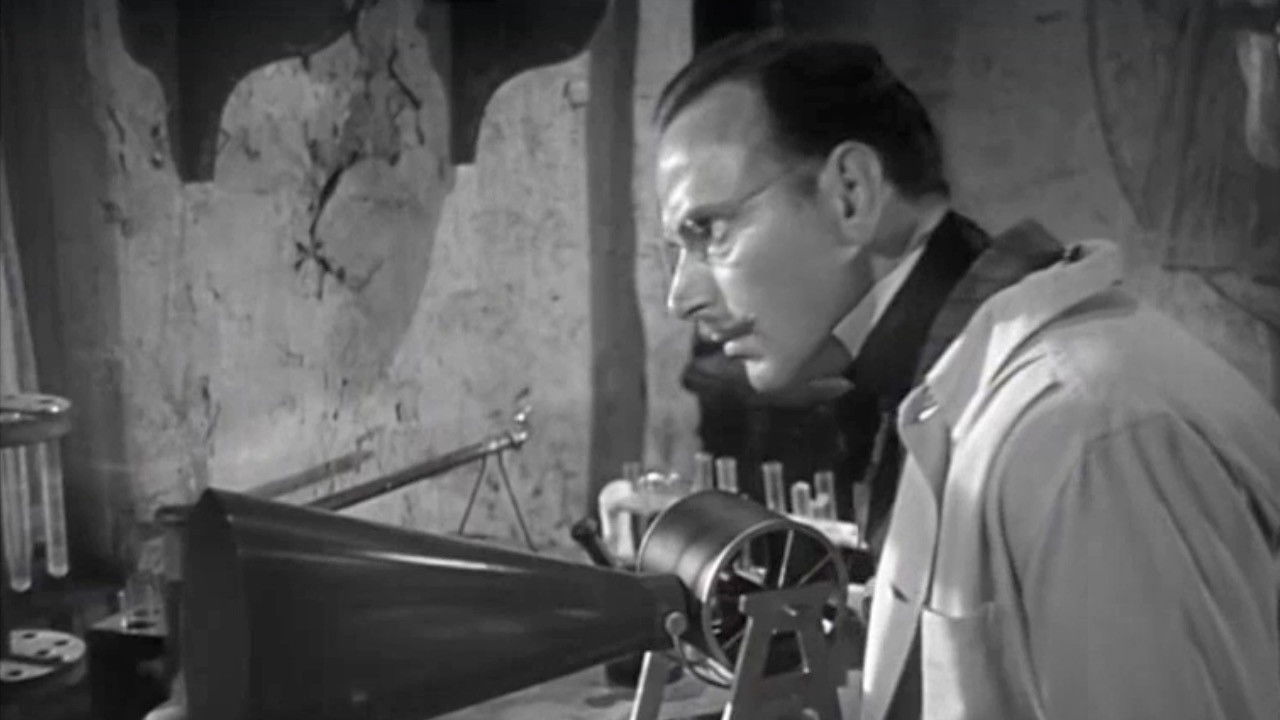
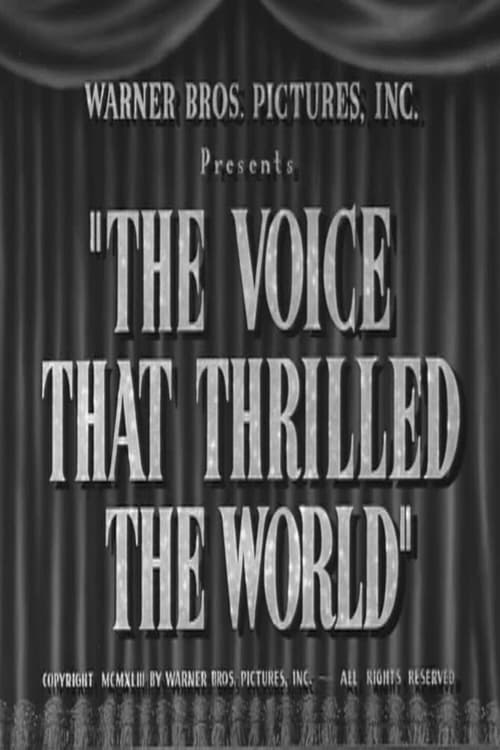
This short traces the history of sound in the movies, beginning with French scientist Leon Scott's experiments in 1857. Featured are snippets from early sound pictures.
Top Cast

Art Gilmore
Narrator (voice)
Sheldon Jett
Audience Member (uncredited)
Harold Miller
Audience Member (uncredited)
Edwin Tuttle
Audience Member (uncredited)
Giovanni Martinelli
Canio in 'Pagliacci' (segment 'Vesti la giubba') (archive footage)
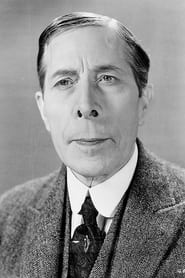
George Arliss
Self (segment 'Disraeli') (archive footage)
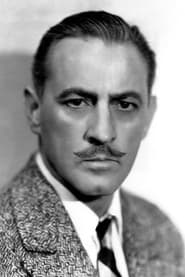
John Barrymore
Self (segments 'Don Juan' & 'Richard III') (archive footage)
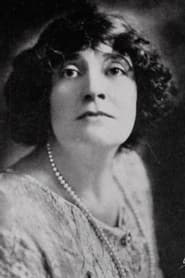
Eugenie Besserer
Self (segment 'The Jazz Singer') (archive footage)
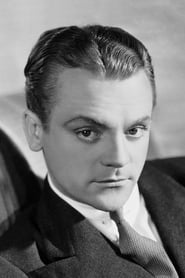
James Cagney
Self (segment 'Yankee Doodle Dandy') (archive footage)

Jeanne Cagney
Self (segment 'Yankee Doodle Dandy') (archive footage)
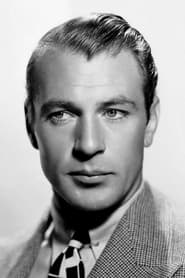
Gary Cooper
Self (segment 'Sergeant York') (archive footage)

Bette Davis
Self (segment 'Dangerous') (archive footage)
Art Gilmore
Art Gilmore
Narrator (voice)
Art Gilmore
Narrator (voice)
Sheldon Jett
Sheldon Jett
Audience Member (uncredited)
Sheldon Jett
Audience Member (uncredited)
Harold Miller
Harold Miller
Audience Member (uncredited)
Harold Miller
Audience Member (uncredited)
Edwin Tuttle
Edwin Tuttle
Audience Member (uncredited)
Edwin Tuttle
Audience Member (uncredited)
Giovanni Martinelli
Giovanni Martinelli
Canio in 'Pagliacci' (segment 'Vesti la giubba') (archive footage)
Giovanni Martinelli
Canio in 'Pagliacci' (segment 'Vesti la giubba') (archive footage)
George Arliss
George Arliss
Self (segment 'Disraeli') (archive footage)
George Arliss
Self (segment 'Disraeli') (archive footage)
John Barrymore
John Barrymore
Self (segments 'Don Juan' & 'Richard III') (archive footage)
John Barrymore
Self (segments 'Don Juan' & 'Richard III') (archive footage)
Eugenie Besserer
Eugenie Besserer
Self (segment 'The Jazz Singer') (archive footage)
Eugenie Besserer
Self (segment 'The Jazz Singer') (archive footage)
James Cagney
James Cagney
Self (segment 'Yankee Doodle Dandy') (archive footage)
James Cagney
Self (segment 'Yankee Doodle Dandy') (archive footage)
Jeanne Cagney
Jeanne Cagney
Self (segment 'Yankee Doodle Dandy') (archive footage)
Jeanne Cagney
Self (segment 'Yankee Doodle Dandy') (archive footage)
Similar Movies

This short was released in connection with the 20th anniversary of Warner Brothers' first exhibition of the Vitaphone sound-on-film process on 6 August 1926. The film highlights Thomas A. Edison and Alexander Graham Bell's efforts that contributed to sound movies and acknowledges the work of Lee De Forest. Brief excerpts from the August 1926 exhibition follow. Clips are then shown from a number of Warner Brothers features, four from the 1920s, the remainder from 1946/47.
Hundreds of boxes left by the famous uruguayan musician and political activist Alfredo Zitarrosa (1936-1989) who run away the dictatorship in the 70s, have not been touched since his death 27 years ago. Now his wife and daughters are trying to save the memories, tapes, music and sound recordings that the boxes contain to the posterity.
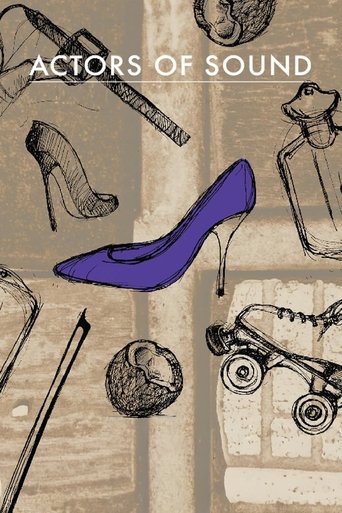
Since the 1930’s, sound gurus referred to as Foley artists have recreated the sounds that infuse a film with life. During a film’s post-production, Foley artists recreate sound that will match the moving image on-screen, using whatever objects are at their fingertips, from hundreds of pairs of old shoes to clunky old tools and squeaky mattresses. But how will Hollywood’s low-tech sound artists survive as digital technology consumes modern movie-making?

Pure sound unaltered by human hands is becoming increasingly difficult to find. Gordon Hempton is an Emmy Award-winning sound recordist who has spent the last 30 years trying to find and record the vanishing sounds of nature in an attempt to capture a disappearing sensory experience. Filmmaker Nick Sherman observes Hempton in the wilderness for 30 days and uncovers an obsessive artist on a quest for perfection in this obscure medium. Hempton’s natural ability to locate and articulate himself through sound has a contagious energy and gives his work a transportive quality. Soundtracker is a fascinating meditation on the world’s changing landscape and the things we may be leaving behind in the service of progress.
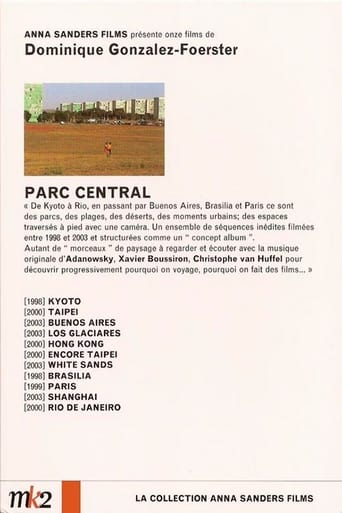
"Central Park" is composed of 11 films that offer a visual, sound and poetic journey through 11 cities crossed by the artist. Fascinated by the city, space and urbanism, Dominique Gonzalez-Foerster has been developing the concept of "tropical modernity" for several years, starting from the cohabitation and the confrontation between architecture and vegetation. It is around this research that she designed "Central Park" 11 films : - Kyoto (1998) - Taipei (2000) - Buenos Aires (2003) - Los Glaciares (2003) - Hong Kong (2000) - Encore Tapei (2000) - White Sands (2003) - Brasilia (1998) - Paris (1999) - Shangai (2003) - Rio de Janeiro (2000)
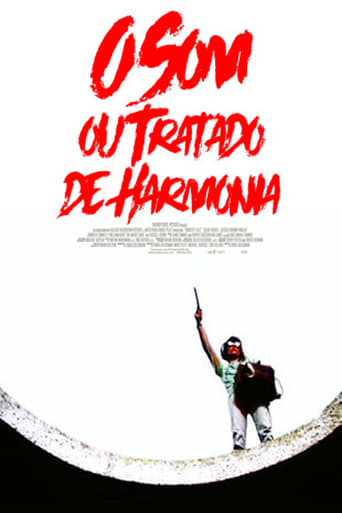
film about the desire of listening. An intermingling of voices from childhood, dreams, history, sex and politics. A visual essay about the universe of sounds. What is sound? What is the sound experience? Sound placed and replaced as Energy. Nothing more should be said. The final conclusion, while the spectator flies over an infinite sea, talks about spreading fragility open. That is the Sound.
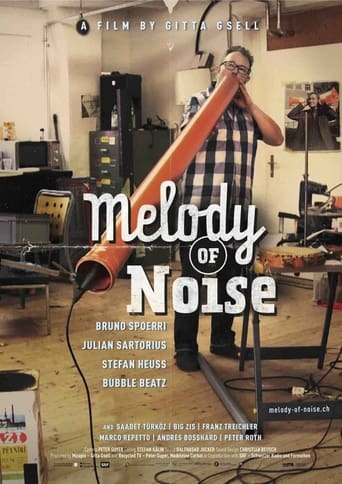
The film accompanies musicians who have devoted themselves to new, uncharted sounds with a great deal of passion. They build new instruments and work with quotidian noises. In the process, the ostensible noise often becomes sound. An adventurous journey of discovery into the realm of noises and sounds, rhythms and stillness. Together with people who listen closely and without reservation. A film that aims to engage viewers to listen with their eyes and see with their ears. Astonishingly sublime.
An unusual documentary exploring sound. Unique elements of Japanese culture are revealed through ancient rituals and extraordinary musical spectacles. A young Buddhist priest whose family has been serving a temple for the past 500 years is also a DJ and beat-boxer. A drum teacher takes part in a costume performance of a 700-year-old ghost story. A female performer plays the Sho, a rare bamboo instrument that is believed to imitate the call of the mythical phoenix. The core ideas explaining the magical potential of sound that permeates all parts of the film are presented in the tradition of Shingon Buddhism. These beliefs are explored through following Buddhist chanting lessons for student priests at Shuchiin University in Kyoto.
"Toot!" "Tick!" "Chirp!" Onomatopoeia is introduced in this "soundsational" adventure. To learn the importance of sound in the world, Peter and Jessica accept Figment's invitation to go with him into Soundspace where they unlock the power of words and the magic of their imaginations. By journey's end, our intrepid explorers learn that language and sound have rhythm—and that the five senses may be used to explore the world around us.