

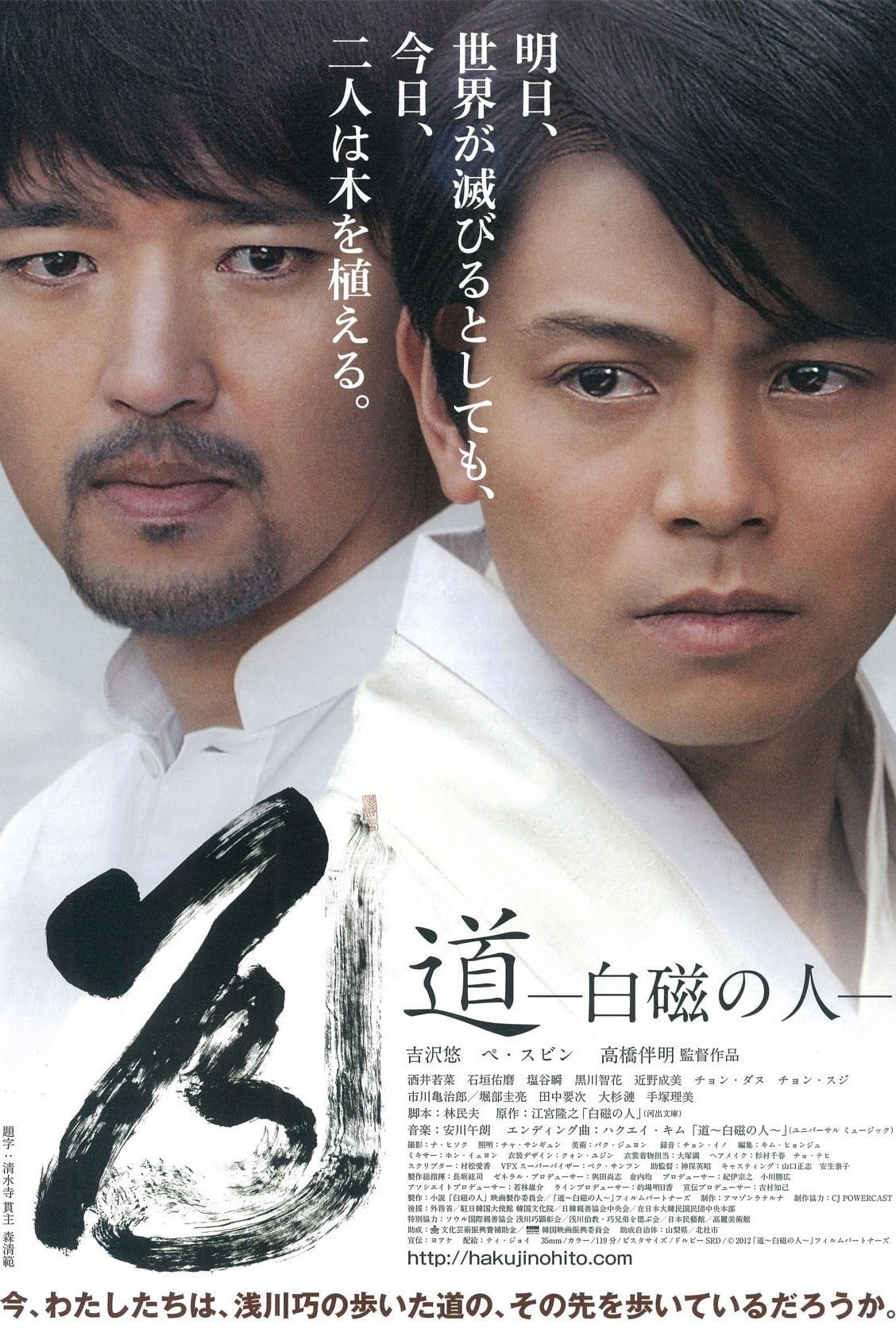
The Way: Man of the White Porcelain
Drama
Overview
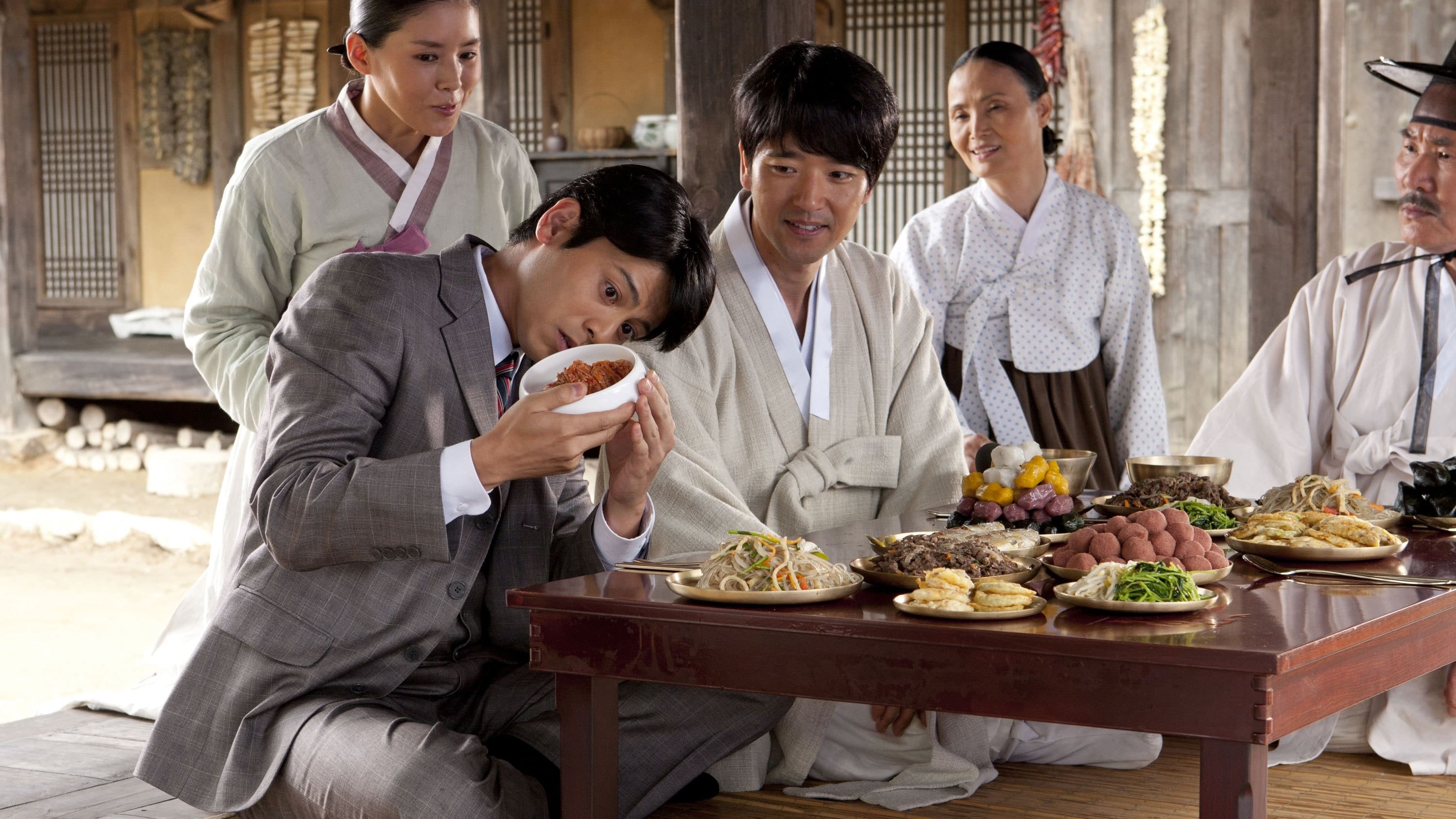
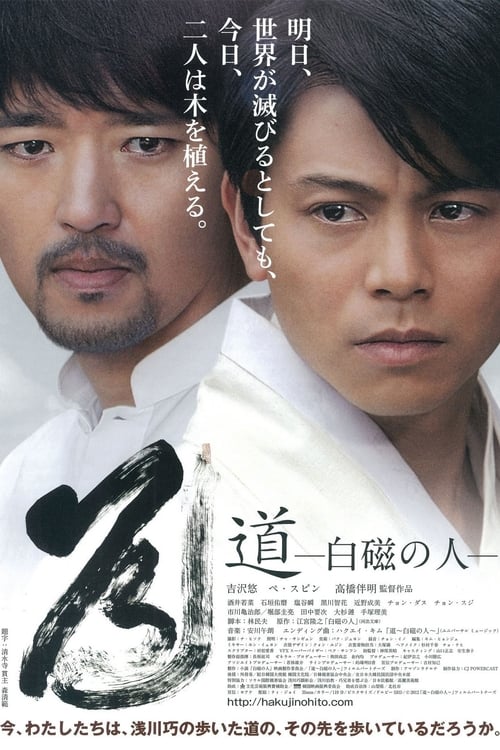
The movie is based on the true story of Takumi Asakawa - a Japanese man who entered Korea during the country's occupation by Japan. Takumi Asakawa became captivated by Korean culture and championed the value of such items as the traditional white Korean porcelain.





Hisashi Yoshizawa
Hisashi Yoshizawa
Asakawa Takumi
Hisashi Yoshizawa
Asakawa Takumi
Bae Soo-bin
Bae Soo-bin
Cheong-rim
Bae Soo-bin
Cheong-rim

Narumi Konno
Narumi Konno
Yuan Hui
Narumi Konno
Yuan Hui
Shun Shioya
Shun Shioya
Muneyoshi Yanagi
Shun Shioya
Muneyoshi Yanagi

Ren Osugi
Ren Osugi
Nohira
Ren Osugi
Nohira
Yoji Tanaka
Yoji Tanaka
Machida
Yoji Tanaka
Machida

Satomi Tezuka
Satomi Tezuka
Kei Asakawa
Satomi Tezuka
Kei Asakawa
Keisuke Horibe
Keisuke Horibe
Keisuke Horibe
Kwak Min-ho
Kwak Min-ho
Kwak Min-ho

Jeon Su-ji
Jeon Su-ji
Ji-won
Jeon Su-ji
Ji-won
Similar Movies
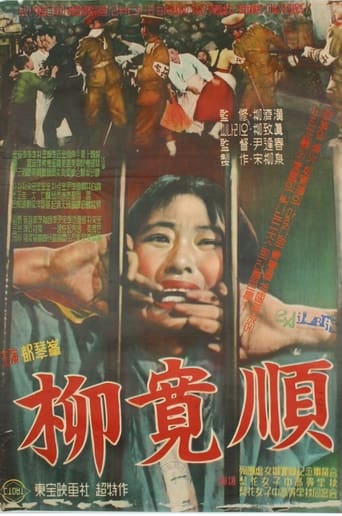
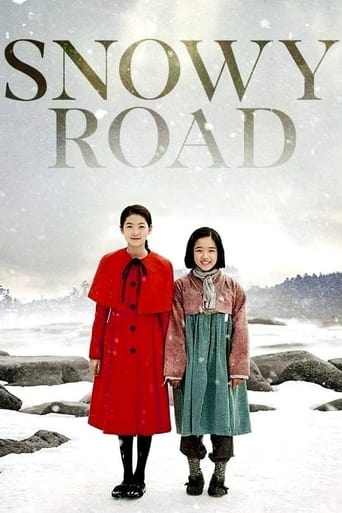
This film is about of the life of the young patriotic martyr Yu Gwan-sun, who fought for the liberation of her country during the Independence Movement in 1919. As the Independence Movement becomes more and more intense among Korean students, the Japanese authorities order schools closed temporarily. Yu Gwan-sun (Do Geum-bong) persuades her neighbors to join the national movement, and continues her aggressive struggle against Japanese rule. An independent campaign at Aunae, a market site, is successful with the passionate participation of many people. She is arrested by the Japanese police for leading the campaign and has to endure horrible tortures. But she never gives up her fight, encouraging her cell mates to participate in the movement. She is finally taken to an underground room by the Japanese police and murdered.
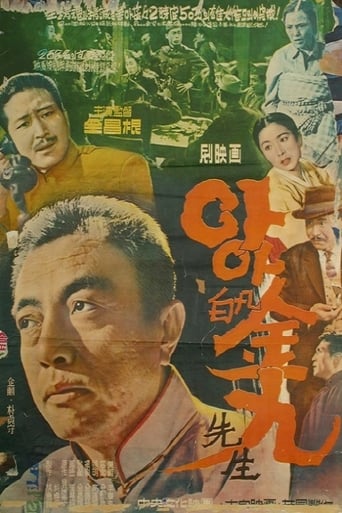
Kim Chang-su, who participated in the Donghak Movement, escapes to Manchuria after being chased by the Japanese army, finally making his way home. Angered by the assassination of Empress Myeong-seong, he murders a Japanese lieutenant and is sent to jail. He escapes from prison turns his focus on the democratic movement by teaching civilians and organizing Sinminheo (a democratic organization), even changing his name to 'Kim Gu.' After he is imprisoned again, he gets out on parole and goes to China, where he participates in establishing a provisional government from which he can direct the anti-Japanese struggle. Kim Gu goes on to play a part in Yun Bong-gil's deeds in Shanghai, the events at Hongkou Park, the encounter with Jiang Jish, and the establishment of the Korean National Army, and leads the struggle for Korea's independence with warm fraternal love and clear national spirit. When Korea is liberated in August 15, 1945, he returns back to his native land.
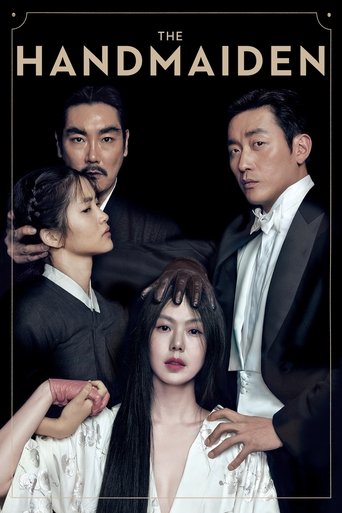
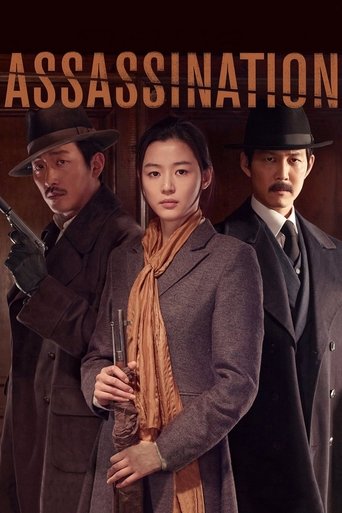
1930s Korea, in the period of Japanese occupation, a new girl, Sook-hee, is hired as a handmaiden to a Japanese heiress, Hideko, who lives a secluded life on a large countryside estate with her domineering Uncle Kouzuki. But the maid has a secret. She is a pickpocket recruited by a swindler posing as a Japanese Count to help him seduce the Lady to steal her fortune.
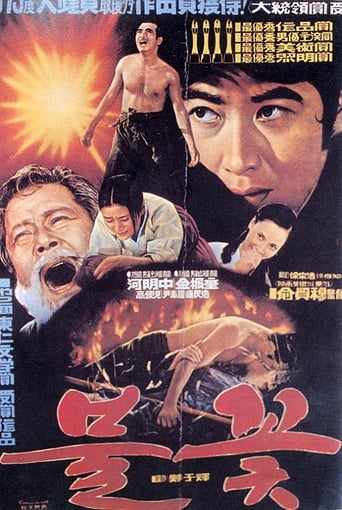
A man wanders around the mountains with a bleeding leg, holding a rifle in his hand. Seemingly a fugitive, he runs from as-yet unknown pursuers, but he also seems to be following somebody who has already walked the same path. As he hides in a secluded cave, past memories sweep through his exhausted mind, memories of lifelong cowardice and evasion. And this recollection leads to a reconstruction of early 20th century Korean history. Winner of Best Picture (Nam-a Pictures Co., Ltd.), Best Actor (Ha Myung-joong), Best Art Direction (Kim Yoo-joon), Best Lighting (Son Young-cheol) at the 14th Grand Bell Awards. (source: Jiro Hong, koreanfilm.org)
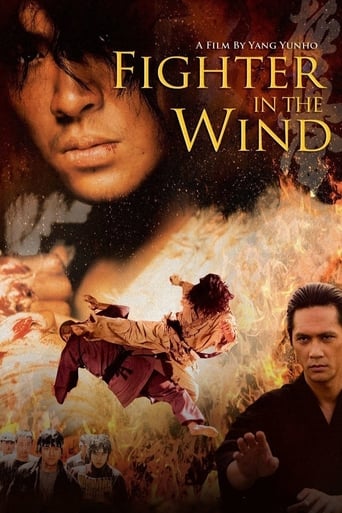
An account of karate competitor Choi Yeung-Eui who went to Japan after World War II to become a fighter pilot but found a very different path instead. He changed his name to Masutatsu Oyama and went across the country, defeating martial artists one after another. This film concentrates on the period when he is still young, and developing his famous karate style, Kyokushin.
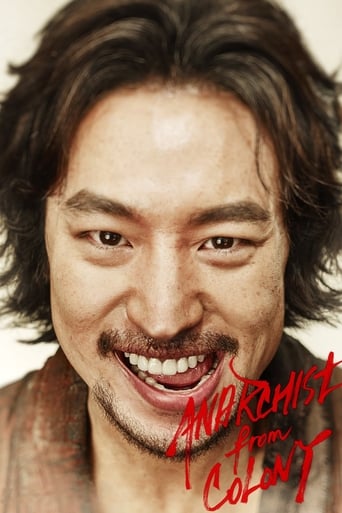
Based on the life of the Korean anarchist Park Yeol, the film shows his struggle to counter the massacre of Koreans by the government during the 1923 great Kanto earthquake, focusing on his activities as the leader of the anti-Japanese organization Bulryeongsa and his relationship with Japanese comrade Fumiko Kaneko.