

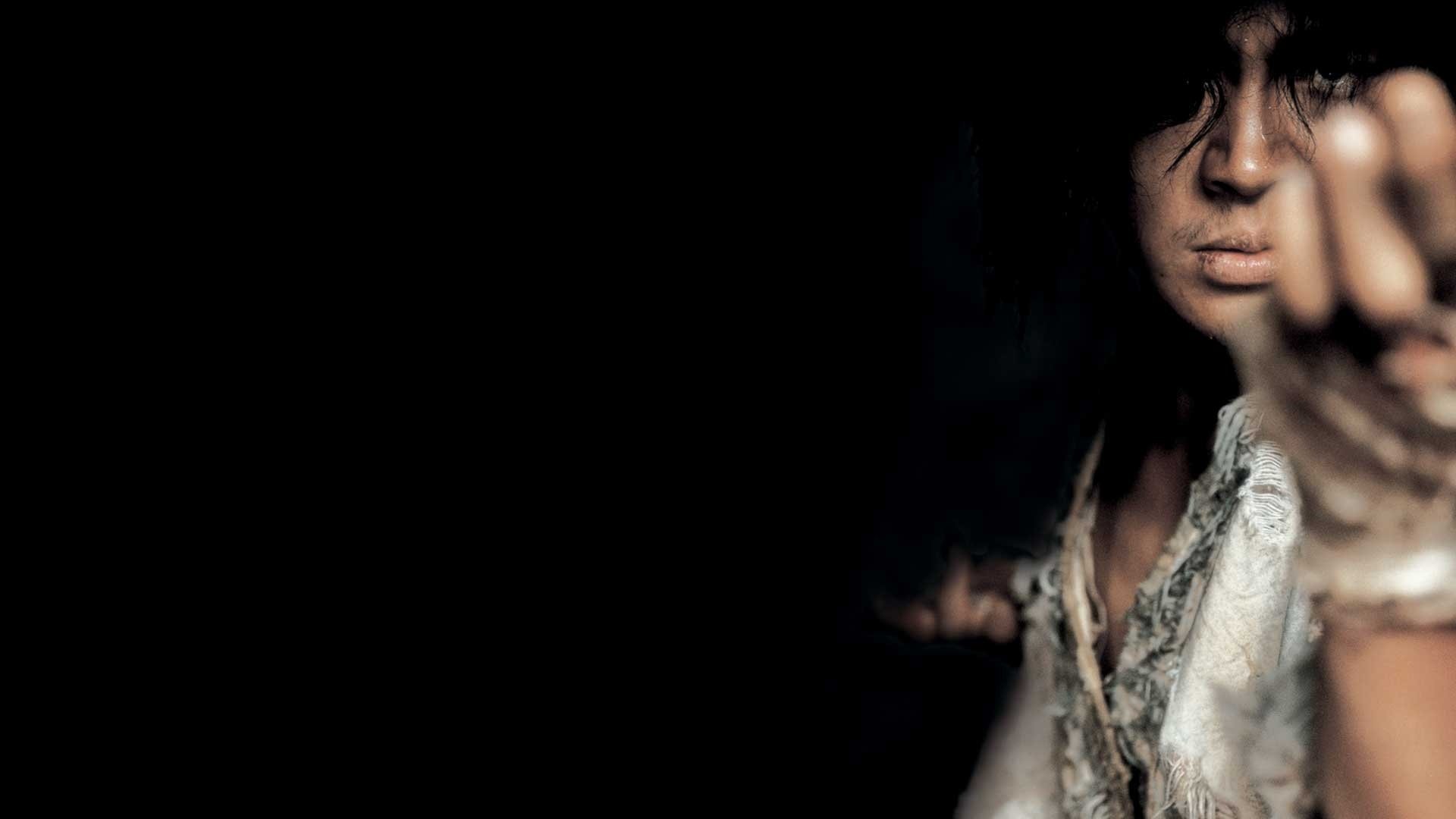

Fighter in the Wind
Action · Drama
Overview
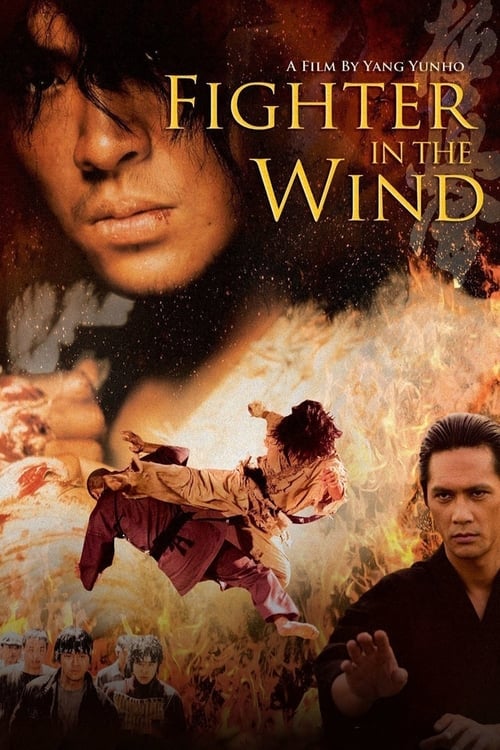
An account of karate competitor Choi Yeung-Eui who went to Japan after World War II to become a fighter pilot but found a very different path instead. He changed his name to Masutatsu Oyama and went across the country, defeating martial artists one after another. This film concentrates on the period when he is still young, and developing his famous karate style, Kyokushin.






Yang Dong-geun
Yang Dong-geun
Choi Bae-dal
Yang Dong-geun
Choi Bae-dal

Aya Hirayama
Aya Hirayama
Yoko
Aya Hirayama
Yoko
Masaya Katō
Masaya Katō
Kato
Masaya Katō
Kato

Jung Doo-hong
Jung Doo-hong
Beom-soo
Jung Doo-hong
Beom-soo
Sachiko Kokubu
Sachiko Kokubu
Sachiko Kokubu
Fuuma Kosaka
Fuuma Kosaka
Fuuma Kosaka
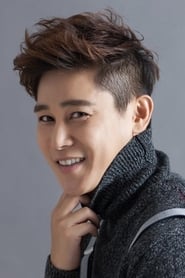
Jeong Tae-woo
Jeong Tae-woo
Chun-bae
Jeong Tae-woo
Chun-bae
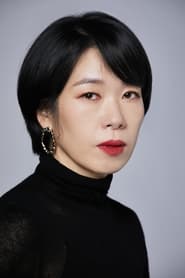
Yeom Hye-ran
Yeom Hye-ran
Aunt
Yeom Hye-ran
Aunt
Kim Min-soo
Kim Min-soo
Port Yakuza
Kim Min-soo
Port Yakuza
Seong-hwan Koo
Seong-hwan Koo
Circus Clown
Seong-hwan Koo
Circus Clown
Similar Movies
From the Japanese Occupation a 'comfort woman' returns from China an old woman. At the end of the war she can't return home and spends the next 65 years living as an alien in a foreign country. Even to her own granddaughter she seems to be losing her mind. She only wants to go back to Korea.
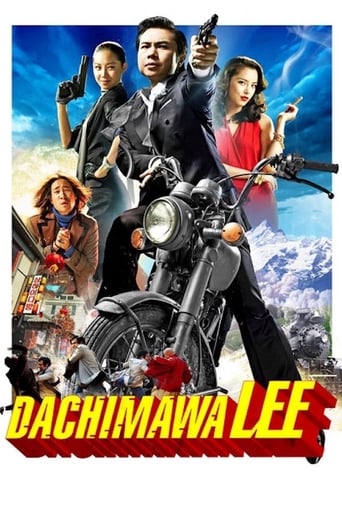
Under Japanese imperialism, Korean national treasure Golden Buddha is stolen. More important to national security, the statue contains vital information concerning Korean freedom fighters and their whereabouts as well as their true identities. The interim Korean government appoints legendary Korean spy Agent Dachimawa Lee to recover the fabled statue and reveal the dark plot behind the theft.
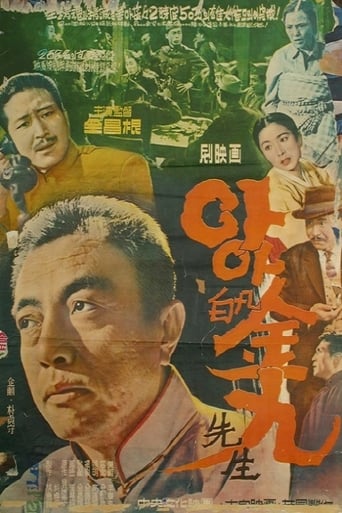
Kim Chang-su, who participated in the Donghak Movement, escapes to Manchuria after being chased by the Japanese army, finally making his way home. Angered by the assassination of Empress Myeong-seong, he murders a Japanese lieutenant and is sent to jail. He escapes from prison turns his focus on the democratic movement by teaching civilians and organizing Sinminheo (a democratic organization), even changing his name to 'Kim Gu.' After he is imprisoned again, he gets out on parole and goes to China, where he participates in establishing a provisional government from which he can direct the anti-Japanese struggle. Kim Gu goes on to play a part in Yun Bong-gil's deeds in Shanghai, the events at Hongkou Park, the encounter with Jiang Jish, and the establishment of the Korean National Army, and leads the struggle for Korea's independence with warm fraternal love and clear national spirit. When Korea is liberated in August 15, 1945, he returns back to his native land.