

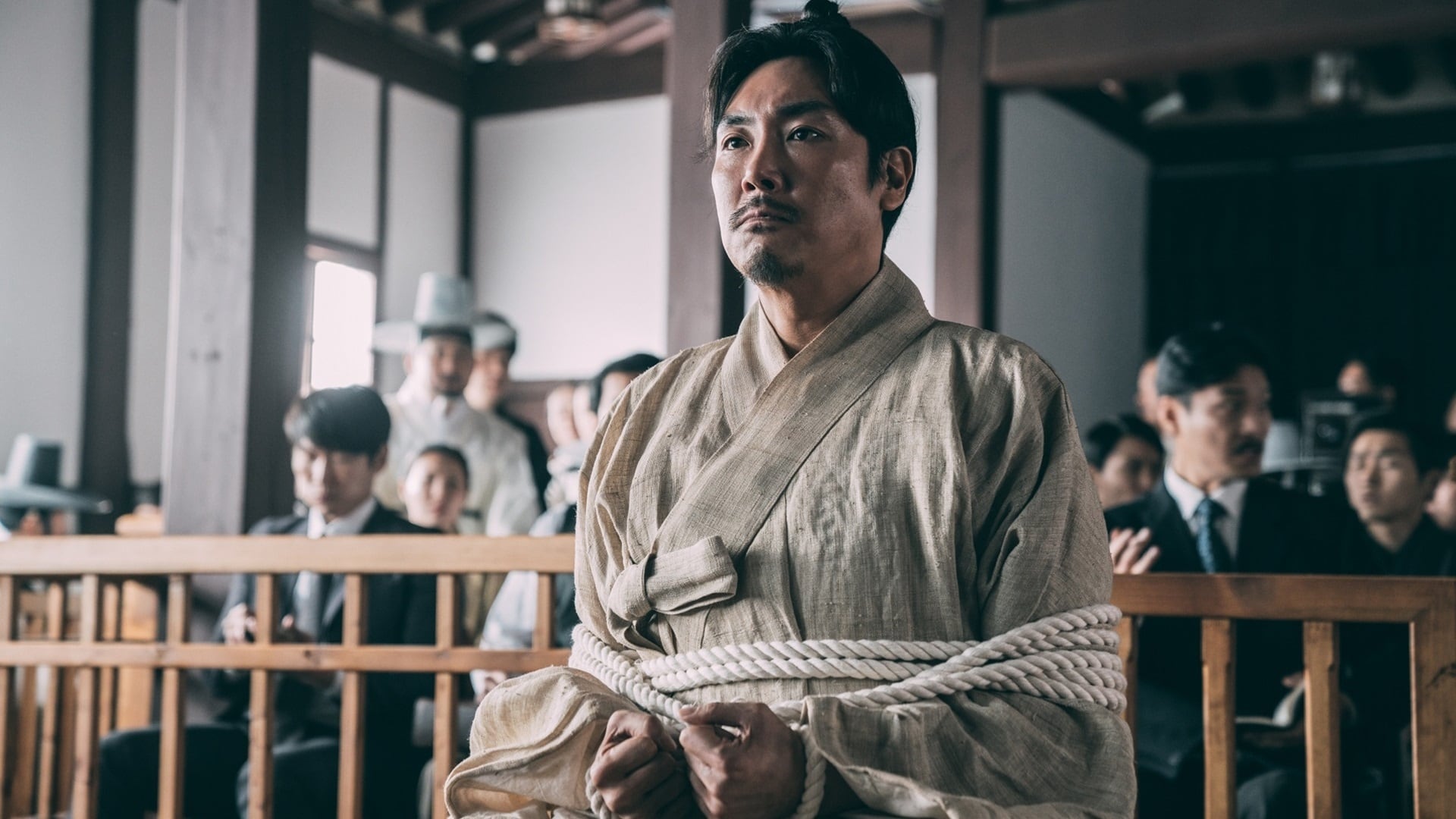

Man of Will
Drama · History · Action
Overview
Young Kim Chang-soo is placed behind bars, charged with murdering a Japanese person who took part in Empress Myeongseong's assassination. In prison, Kim Chang-soo sees how Koreans are persecuted and grows into a fighter for Korean independence.
Top Cast

Cho Jin-woong
Kim Chang-soo
Song Seung-heon
Kang Hyung-sik
Jeong Man-sik
Ma Sang-goo
Jung Jin-young
Go Jin-sa
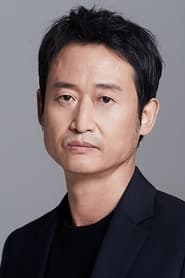
Yoo Seung-mok
Lee Young-dal
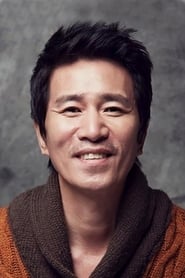
Shin Jung-keun
Jo Duk-pal
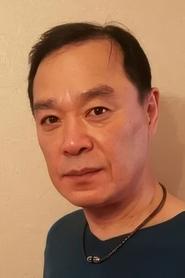
Jeong Gyu-su
Yang Won-jong
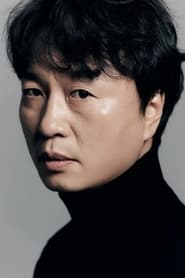
Jeon Bae-soo
Park Dong-goo
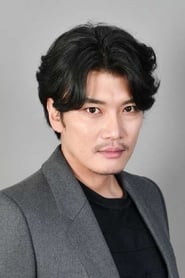
Kim Yoon-sung
Na Choon-bae

Lee Seo-won
Kim Chun-dong

Bae Jin-woong
Choi Jak-doo
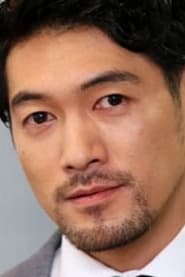
Hiromitsu Takeda
Watanabe




Cho Jin-woong
Cho Jin-woong
Kim Chang-soo
Cho Jin-woong
Kim Chang-soo
Song Seung-heon
Song Seung-heon
Kang Hyung-sik
Song Seung-heon
Kang Hyung-sik
Jeong Man-sik
Jeong Man-sik
Ma Sang-goo
Jeong Man-sik
Ma Sang-goo
Jung Jin-young
Jung Jin-young
Go Jin-sa
Jung Jin-young
Go Jin-sa
Yoo Seung-mok
Yoo Seung-mok
Lee Young-dal
Yoo Seung-mok
Lee Young-dal
Shin Jung-keun
Shin Jung-keun
Jo Duk-pal
Shin Jung-keun
Jo Duk-pal
Jeong Gyu-su
Jeong Gyu-su
Yang Won-jong
Jeong Gyu-su
Yang Won-jong
Jeon Bae-soo
Jeon Bae-soo
Park Dong-goo
Jeon Bae-soo
Park Dong-goo
Kim Yoon-sung
Kim Yoon-sung
Na Choon-bae
Kim Yoon-sung
Na Choon-bae
Lee Seo-won
Lee Seo-won
Kim Chun-dong
Lee Seo-won
Kim Chun-dong
Similar Movies
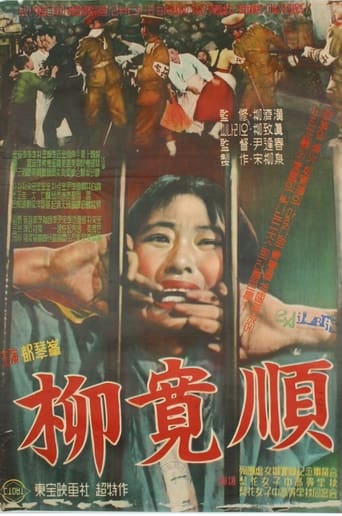
This film is about of the life of the young patriotic martyr Yu Gwan-sun, who fought for the liberation of her country during the Independence Movement in 1919. As the Independence Movement becomes more and more intense among Korean students, the Japanese authorities order schools closed temporarily. Yu Gwan-sun (Do Geum-bong) persuades her neighbors to join the national movement, and continues her aggressive struggle against Japanese rule. An independent campaign at Aunae, a market site, is successful with the passionate participation of many people. She is arrested by the Japanese police for leading the campaign and has to endure horrible tortures. But she never gives up her fight, encouraging her cell mates to participate in the movement. She is finally taken to an underground room by the Japanese police and murdered.
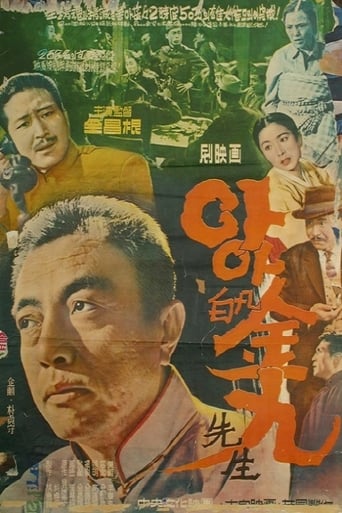
Kim Chang-su, who participated in the Donghak Movement, escapes to Manchuria after being chased by the Japanese army, finally making his way home. Angered by the assassination of Empress Myeong-seong, he murders a Japanese lieutenant and is sent to jail. He escapes from prison turns his focus on the democratic movement by teaching civilians and organizing Sinminheo (a democratic organization), even changing his name to 'Kim Gu.' After he is imprisoned again, he gets out on parole and goes to China, where he participates in establishing a provisional government from which he can direct the anti-Japanese struggle. Kim Gu goes on to play a part in Yun Bong-gil's deeds in Shanghai, the events at Hongkou Park, the encounter with Jiang Jish, and the establishment of the Korean National Army, and leads the struggle for Korea's independence with warm fraternal love and clear national spirit. When Korea is liberated in August 15, 1945, he returns back to his native land.
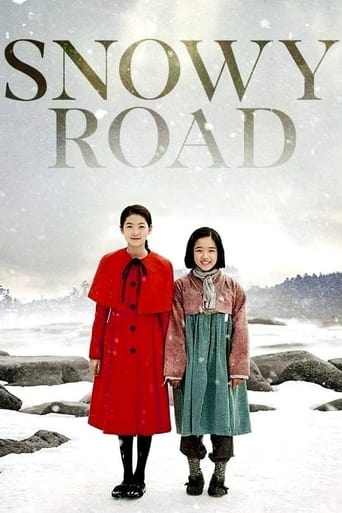
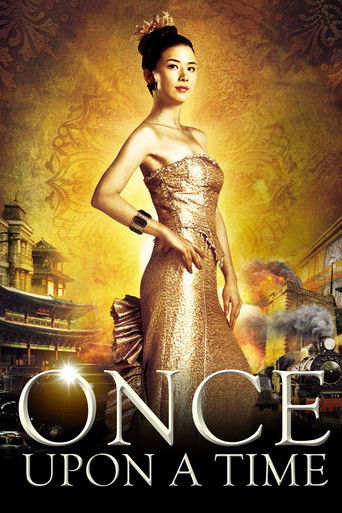
From the Japanese Occupation a 'comfort woman' returns from China an old woman. At the end of the war she can't return home and spends the next 65 years living as an alien in a foreign country. Even to her own granddaughter she seems to be losing her mind. She only wants to go back to Korea.