

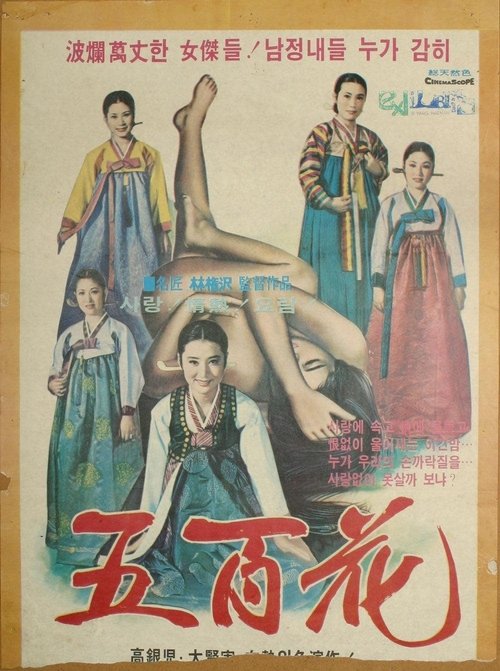
Five Hostesses for the Resistance
Drama
Overview
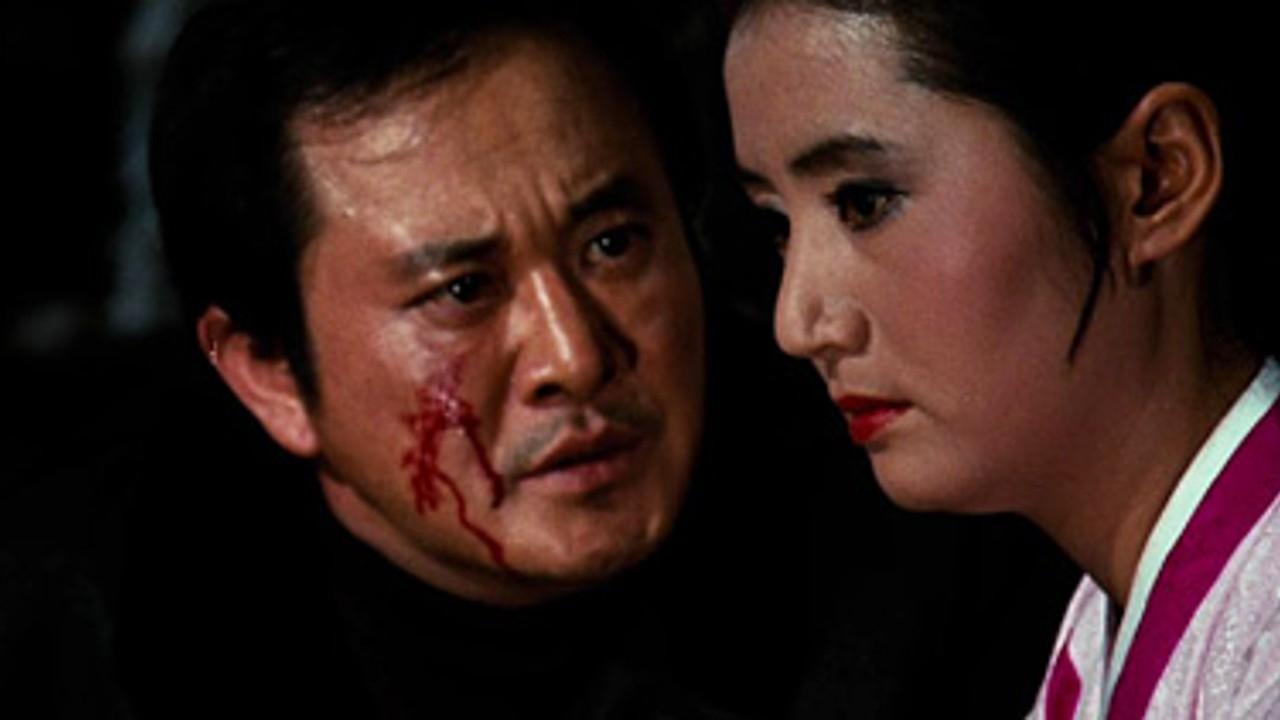
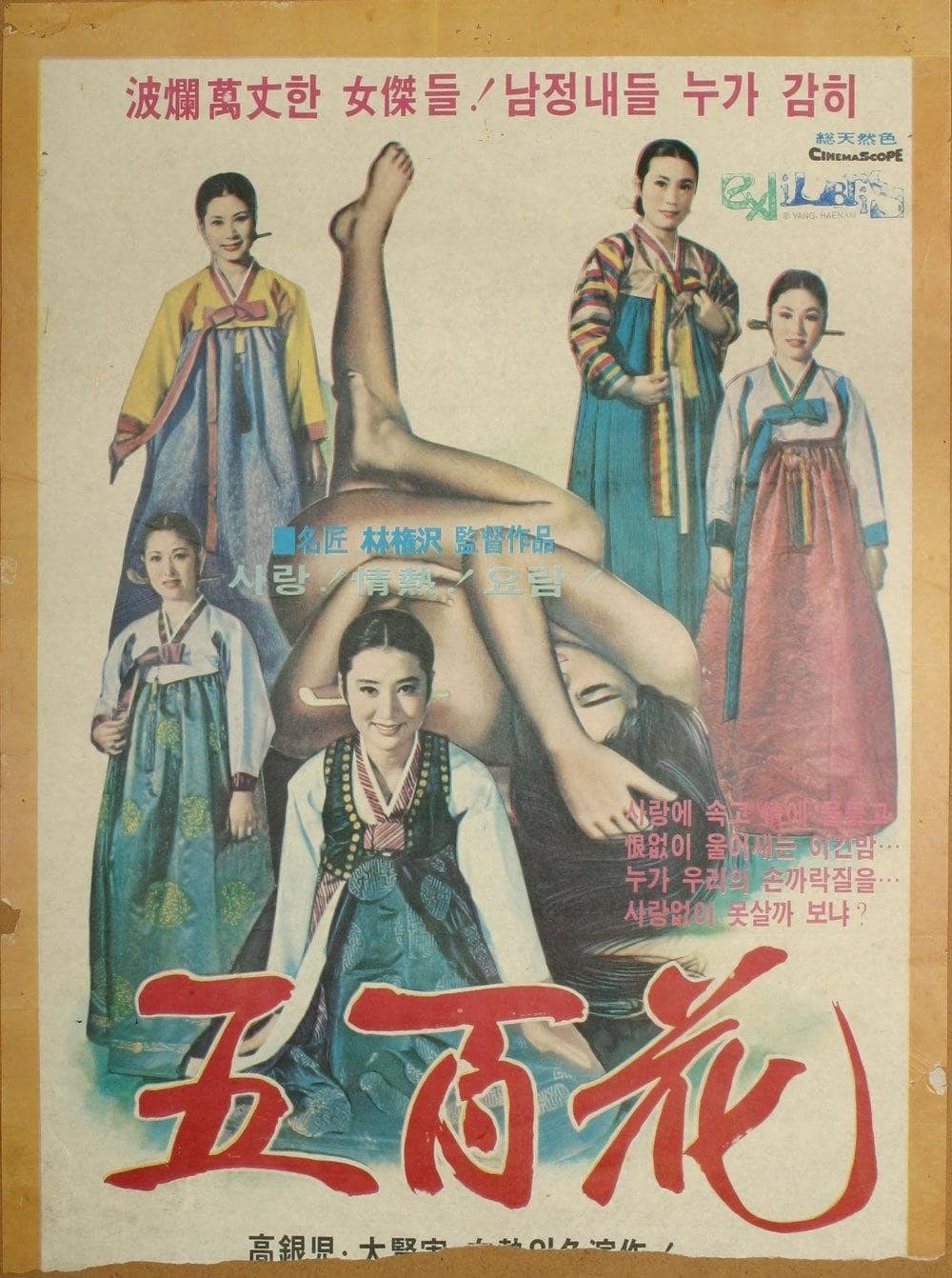
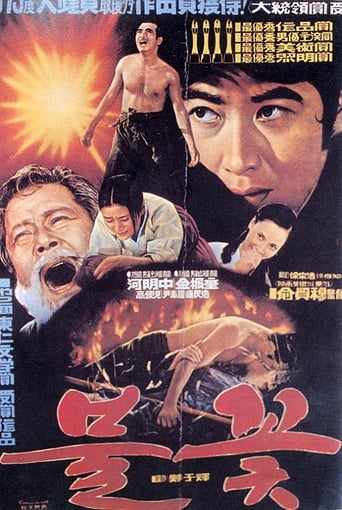
A patriot Park No-Hun is dispatched by Shanghai Provisional Government for Independence to assassinate members of the House of Council. In this situation Young-Kuk, brother of Hyeon-Ju who is a kisaeng of Myeong Wol Kwan, is jailed and Choi Chil-Yong, an inspector of Japanese Higher Police Department, is in agony of difficulties between Korea and Japan. Shin Yun-Il, a member of the council falls in love with a kisaeng whose name is Jeong-Mi. All of these are going their way under the influence of phases of the times such as carrying out colonial policies and each of them is linked complicatedly and causes troubles. After all their efforts concentrated on Independence of Korea, and Park No-Hun carried out his mission with help of 5 kisaengs of Myeong Wol Kwan. Finally he leaves for Shanghai with them.



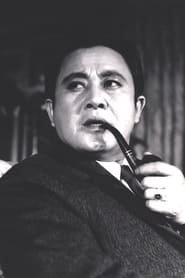
Park Nou-sik
Park Nou-sik
Park No-hun
Park Nou-sik
Park No-hun
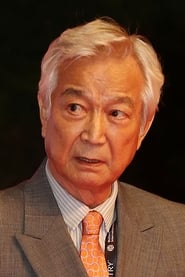
Shin Seong-il
Shin Seong-il
Un-il
Shin Seong-il
Un-il
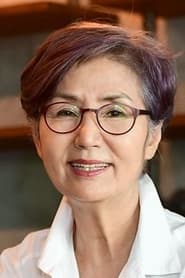
Ko Eun-a
Ko Eun-a
Ji-hong
Ko Eun-a
Ji-hong
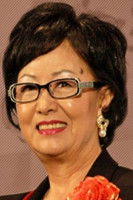
Tae Hyun-sil
Tae Hyun-sil
Jeong-mi
Tae Hyun-sil
Jeong-mi
Kim Ji-su
Kim Ji-su
Hyeon-ju
Kim Ji-su
Hyeon-ju
Choi Chong-min
Choi Chong-min
Guk-yeon
Choi Chong-min
Guk-yeon
Sa Mi-ja
Sa Mi-ja
Mae-hwa
Sa Mi-ja
Mae-hwa
Yu Yeon-hui
Yu Yeon-hui
Il-yeob
Yu Yeon-hui
Il-yeob
Dokgo Sung
Dokgo Sung
Cheol-yong
Dokgo Sung
Cheol-yong
Choi Nam-hyun
Choi Nam-hyun
Chamui Shin
Choi Nam-hyun
Chamui Shin
Similar Movies
Kim Chang-su, who participated in the Donghak Movement, escapes to Manchuria after being chased by the Japanese army, finally making his way home. Angered by the assassination of Empress Myeong-seong, he murders a Japanese lieutenant and is sent to jail. He escapes from prison turns his focus on the democratic movement by teaching civilians and organizing Sinminheo (a democratic organization), even changing his name to 'Kim Gu.' After he is imprisoned again, he gets out on parole and goes to China, where he participates in establishing a provisional government from which he can direct the anti-Japanese struggle. Kim Gu goes on to play a part in Yun Bong-gil's deeds in Shanghai, the events at Hongkou Park, the encounter with Jiang Jish, and the establishment of the Korean National Army, and leads the struggle for Korea's independence with warm fraternal love and clear national spirit. When Korea is liberated in August 15, 1945, he returns back to his native land.
An account of karate competitor Choi Yeung-Eui who went to Japan after World War II to become a fighter pilot but found a very different path instead. He changed his name to Masutatsu Oyama and went across the country, defeating martial artists one after another. This film concentrates on the period when he is still young, and developing his famous karate style, Kyokushin.
In the early years of the 20th century, Mohandas K. Gandhi, a British-trained lawyer, forsakes all worldly possessions to take up the cause of Indian independence. Faced with armed resistance from the British government, Gandhi adopts a policy of 'passive resistance', endeavouring to win freedom for his people without resorting to bloodshed.
This film is about of the life of the young patriotic martyr Yu Gwan-sun, who fought for the liberation of her country during the Independence Movement in 1919. As the Independence Movement becomes more and more intense among Korean students, the Japanese authorities order schools closed temporarily. Yu Gwan-sun (Do Geum-bong) persuades her neighbors to join the national movement, and continues her aggressive struggle against Japanese rule. An independent campaign at Aunae, a market site, is successful with the passionate participation of many people. She is arrested by the Japanese police for leading the campaign and has to endure horrible tortures. But she never gives up her fight, encouraging her cell mates to participate in the movement. She is finally taken to an underground room by the Japanese police and murdered.
Based on the life of the Korean anarchist Park Yeol, the film shows his struggle to counter the massacre of Koreans by the government during the 1923 great Kanto earthquake, focusing on his activities as the leader of the anti-Japanese organization Bulryeongsa and his relationship with Japanese comrade Fumiko Kaneko.