

The Volcano That Changed The World
Documentary
Overview
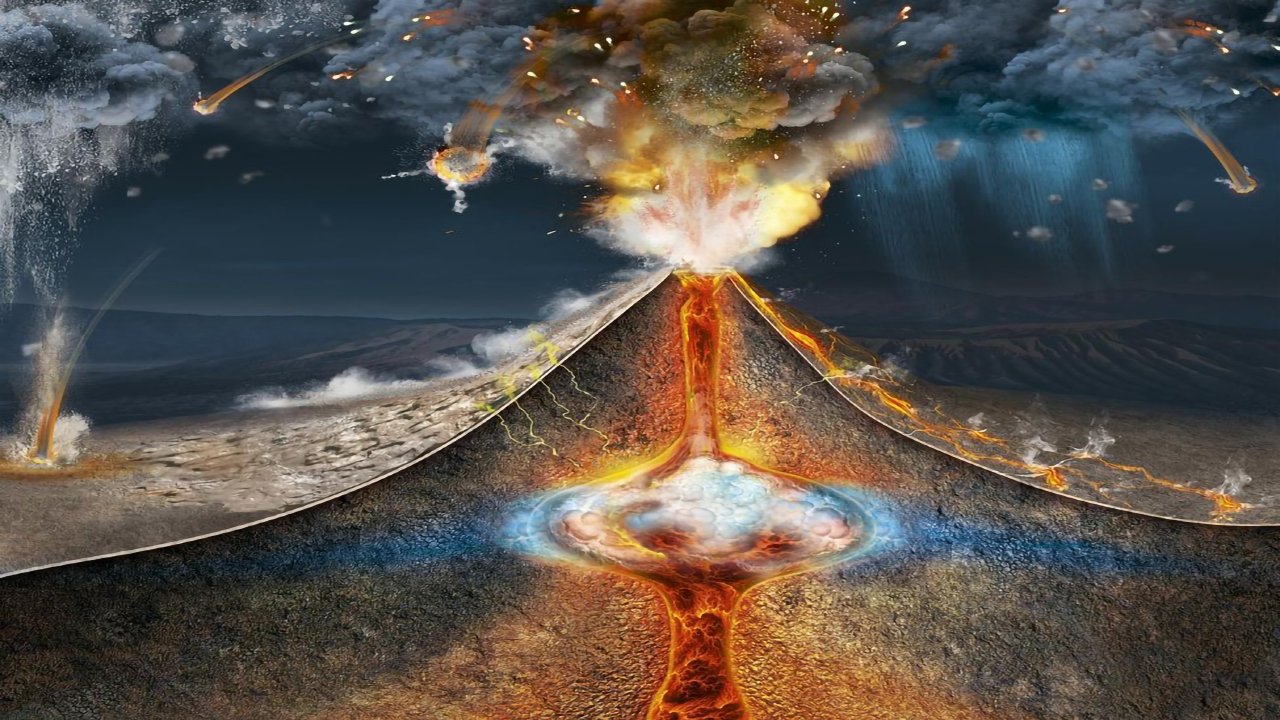
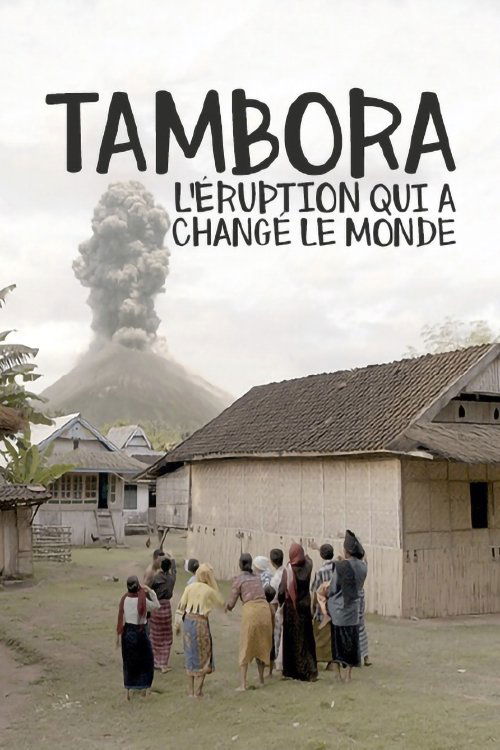
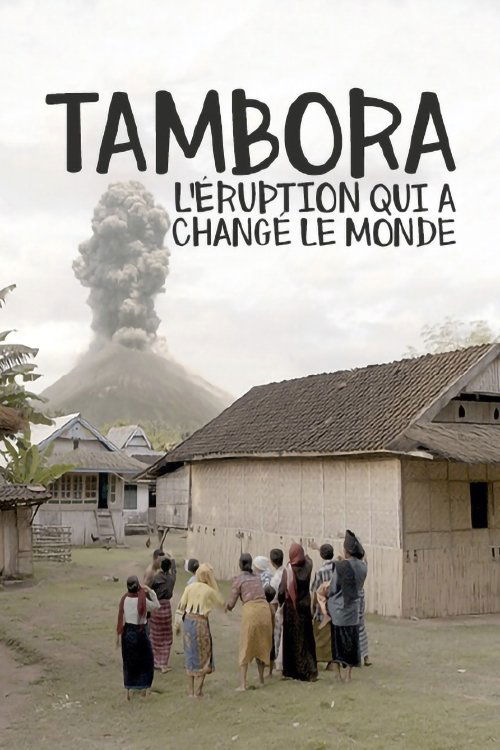
Unlike what people may think, Krakatoa was not the biggest volcanic eruption in history. More than two hundred years ago, on April 10th 1815, Mount Tambora in Eastern Indonesia became a merciless killer. It unleashed the most deadly volcanic eruption in human memory, wiping out at least 117,000 people. And an entire civilization and its language disappeared. But the killing didn’t stop there. It has now been proven that this eruption could have triggered an extraordinary and little known cataclysmic event: worldwide climate change.
Top Cast

Susanne Hampl
Susanne Hampl
Narrator
Susanne Hampl
Narrator
Jens Schellhass
Jens Schellhass
Narrator
Jens Schellhass
Narrator
Helge Trohl
Helge Trohl
Narrator
Helge Trohl
Narrator
Ute de Groot
Ute de Groot
Narrator
Ute de Groot
Narrator
Similar Movies
It was perhaps the most spectacular flourishing of imagination and achievement in recorded history. In the Fourth and Fifth Centuries BC, the Greeks built an empire that stretched across the Mediterranean from Asia to Spain. They laid the foundations of modern science, politics, warfare and philosophy, and produced some of the most breathtaking art and architecture the world has ever seen. This series, narrated by Liam Neeson, recounts the rise, glory, demise and legacy of the empire that marked the dawn of Western civilization. The story of this astonishing civilization is told through the lives of heroes of ancient Greece. The latest advances in computer and television technology rebuild the Acropolis, recreate the Battle of Marathon and restore the grandeur of the Academy, where Socrates, Plato and Aristotle forged the foundation of Western thought.
Seekers of Oblivion explores the exciting life and adventures of Isabelle Eberhardt. Born in Geneva, Switzerland in 1877, Isabelle left Europe for North Africa at a young age. While there, she consorted with tramps, prostitutes, soldiers, murderers and thieves, at times masquerading as a man in orde.
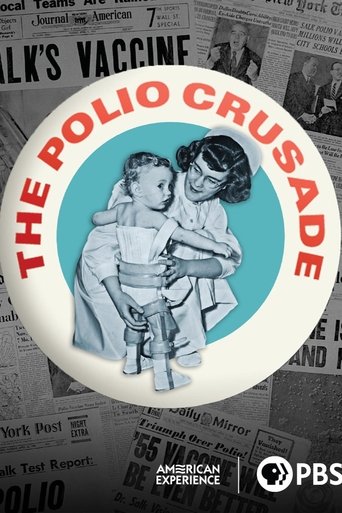
The film interweaves the personal accounts of polio survivors with the story of an ardent crusader who tirelessly fought on their behalf while scientists raced to eradicate this dreaded disease. Based in part on the Pulitzer Prize-winning book Polio: An American Story by David Oshinsky, Features interviews with historians, scientists, polio survivors, and the only surviving scientist from the core research team that developed the Salk vaccine, Julius Youngner.
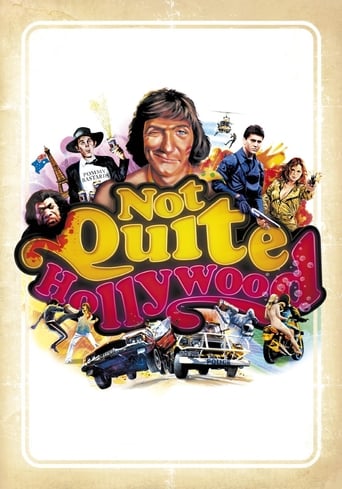
As Australian cinema broke through to international audiences in the 1970s through respected art house films like Peter Weir's "Picnic At Hanging Rock," a new underground of low-budget exploitation filmmakers were turning out considerably less highbrow fare. Documentary filmmaker Mark Hartley explores this unbridled era of sex and violence, complete with clips from some of the scene's most outrageous flicks and interviews with the renegade filmmakers themselves.
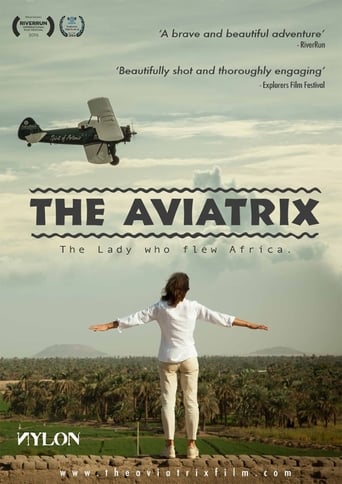
In 1928, Lady Heath became the first person to fly solo from Cape Town to London. Eighty-five years later, Tracey Curtis-Taylor set out in a vintage biplane to fly that adventure again. Following Tracey as she retraces the journey, The Aviatrix is more than just a film about the rapture of flying – it’s a story about living life on your own terms and having the courage and determination to realise your greatest dreams.
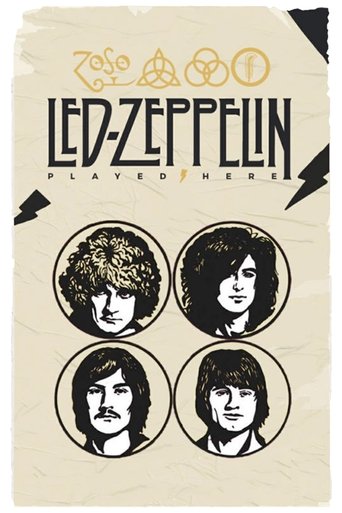
1969. Man lands on the moon. Half a million strong at Woodstock....and Led Zeppelin perform in the gym of the Wheaton Youth Center in front of 50 confused teenagers. Or did they? Filmmaker Jeff Krulik chronicles an enduring Maryland legend, of the very night this concert was alleged to have taken place, January 20, 1969, during the first Presidential Inauguration of Richard Nixon. Led Zeppelin Played Here presents a mid-Atlantic version of what was happening nationwide as the rock concert industry took shape. Featuring interviews with rock writers, musicians, and fans, and several who claim they were witnessing history that night.

This timely, bold set of one-on-one interviews presents two of the most venerable figures from the American Left—renowned historian Howard Zinn and linguist and philosopher Noam Chomsky—each reflecting upon his own life and political beliefs. At the age of 88, Howard Zinn reflects upon the Civil Rights and anti–Vietnam War movements, political empires, history, art, activism, and his political stance. Setting forth his personal views, Noam Chomsky explains the evolution of his libertarian socialist ideals, his vision for a future postcapitalist society, the Enlightenment, the state and empire, and the future of the planet.