

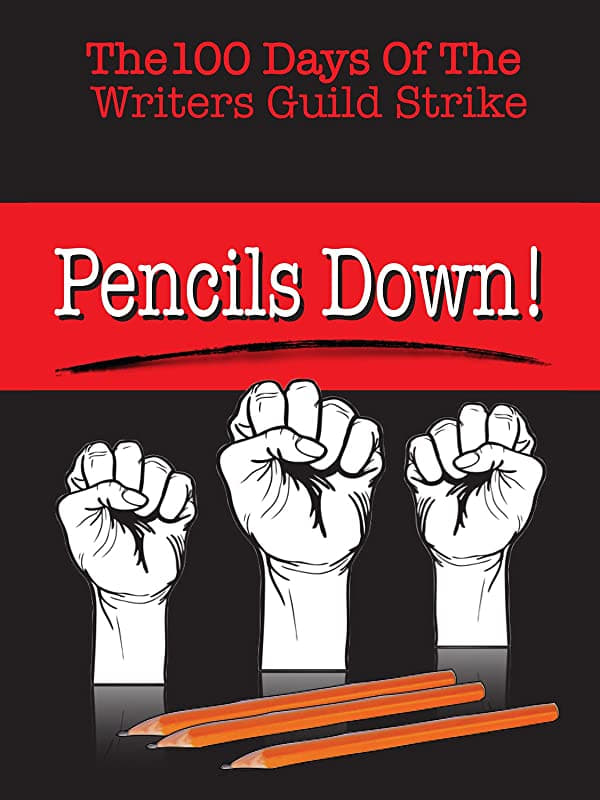
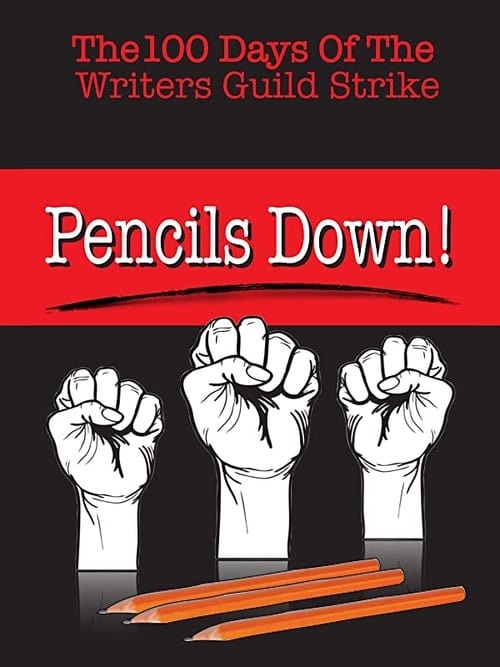
Pencils Down! The 100 Days of the Writers Guild Strike
Documentary
Overview
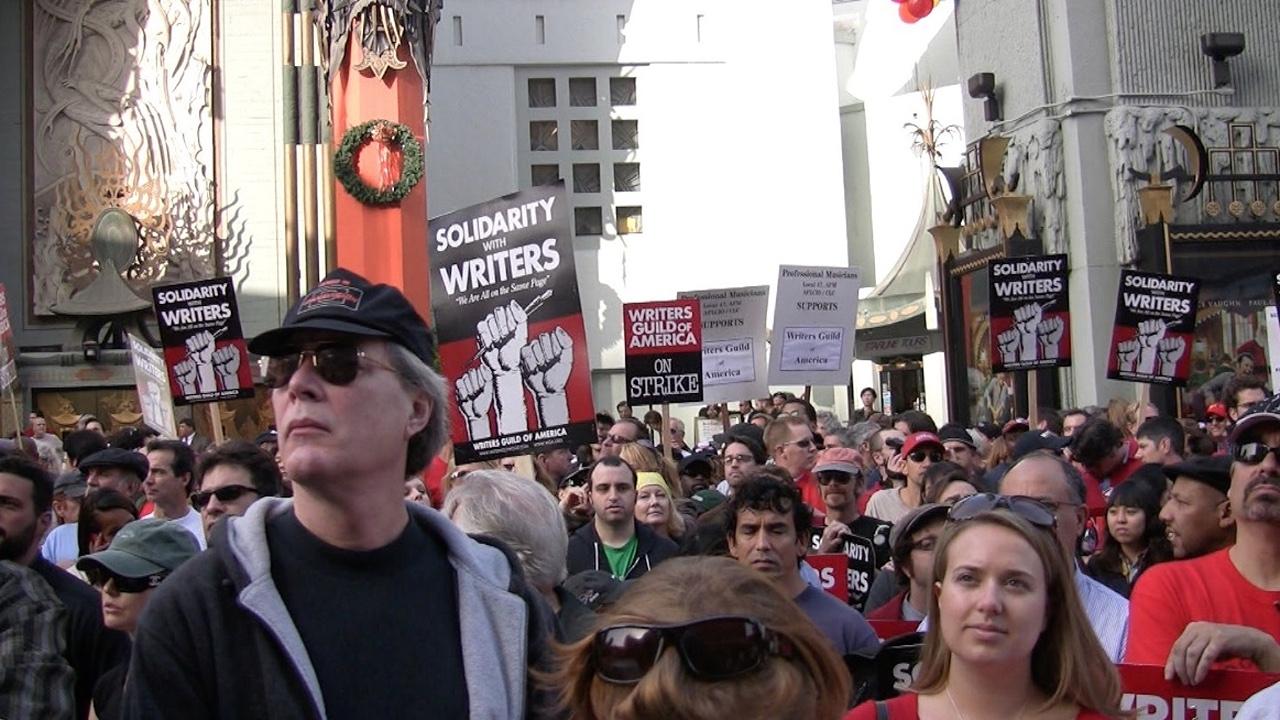
In 2007, the Writers Guild of America, the Screenwriters Union, hit an impasse in their contract negotiations with the Studios. At the center of the dispute was jurisdiction over the internet. Unable to make progress, the WGA called a strike which brought Hollywood to a halt for 100 days.

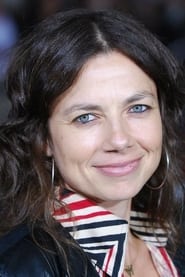
Justine Bateman
Justine Bateman
Self
Justine Bateman
Self
Miranda Banks
Miranda Banks
Self
Miranda Banks
Self
Jonathan Fernandez
Jonathan Fernandez
Self
Jonathan Fernandez
Self
Peter Hankoff
Peter Hankoff
Self
Peter Hankoff
Self
Cynthia Littleton
Cynthia Littleton
Self
Cynthia Littleton
Self
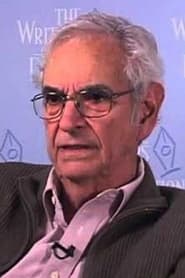
Christopher Knopf
Christopher Knopf
Self
Christopher Knopf
Self
Howard Rodman
Howard Rodman
Self
Howard Rodman
Self
Jason Ross
Jason Ross
Self
Jason Ross
Self
Christopher Barrett
Christopher Barrett
Self
Christopher Barrett
Self
Kai Bowe
Kai Bowe
Self
Kai Bowe
Self
Similar Movies
For the first 50 years of film history, the newsreel was a fixture in American movie theaters. From 1911 to 1967, these shorts proved an influential source of information – and misinformation – for generations of American moviegoers. Television news and public affairs programs became a great improvement over the scanty information offered by the newsreels. This documentary offers insight into a medium which has disappeared.
As Australian cinema broke through to international audiences in the 1970s through respected art house films like Peter Weir's "Picnic At Hanging Rock," a new underground of low-budget exploitation filmmakers were turning out considerably less highbrow fare. Documentary filmmaker Mark Hartley explores this unbridled era of sex and violence, complete with clips from some of the scene's most outrageous flicks and interviews with the renegade filmmakers themselves.
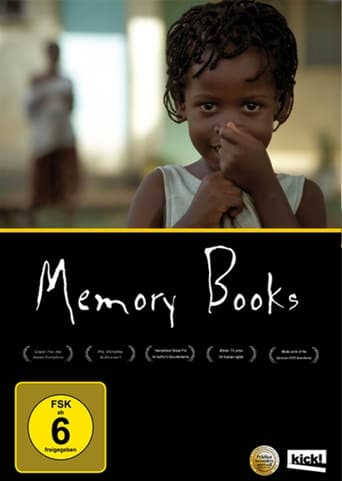
In Uganda, AIDS-infected mothers have begun writing what they call Memory Books for their children. Aware of the illness, it is a way for the family to come to terms with the inevitable death that it faces. Hopelessness and desperation are confronted through the collaborative effort of remembering and recording, a process that inspires unexpected strength and even solace in the face of death.
Tour of the White House with Mrs. John F. Kennedy was a television special featuring the First Lady of the United States, Jacqueline Kennedy on a tour of the recently renovated White House. It was broadcast on Valentine's Day, February 14, 1962, on both CBS and NBC, and broadcast four days later on ABC. The program was the first ever First Lady televised tour of the White House, and has since been considered the first prime-time documentary specifically designed to appeal to a female audience.
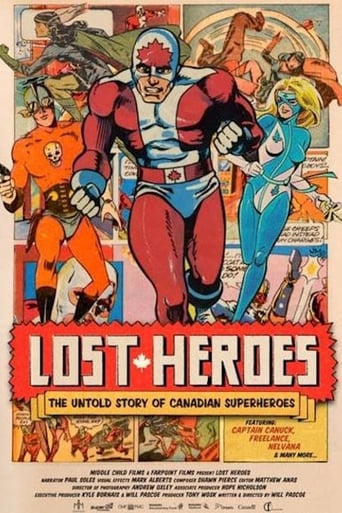
Lost Heroes is the story of Canada's forgotten comic book superheroes and their legendary creators. A ninety-minute journey to recover a forgotten part of Canada's pop culture and a national treasure few have ever heard about. This is the tale of a small country striving to create its own heroes, but finding itself constantly out muscled by better-funded and better-marketed superheroes from the media empire next door.
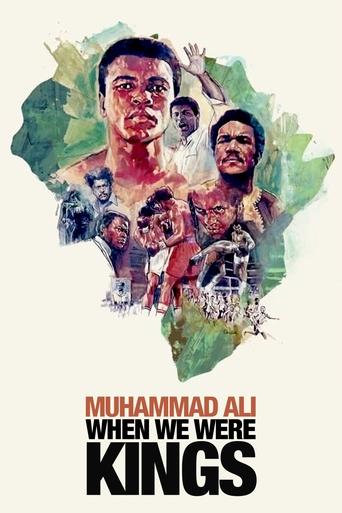
It's 1974. Muhammad Ali is 32 and thought by many to be past his prime. George Foreman is ten years younger and the heavyweight champion of the world. Promoter Don King wants to make a name for himself and offers both fighters five million dollars apiece to fight one another, and when they accept, King has only to come up with the money. He finds a willing backer in Mobutu Sese Suko, the dictator of Zaire, and the "Rumble in the Jungle" is set, including a musical festival featuring some of America's top black performers, like James Brown and B.B. King.

This timely, bold set of one-on-one interviews presents two of the most venerable figures from the American Left—renowned historian Howard Zinn and linguist and philosopher Noam Chomsky—each reflecting upon his own life and political beliefs. At the age of 88, Howard Zinn reflects upon the Civil Rights and anti–Vietnam War movements, political empires, history, art, activism, and his political stance. Setting forth his personal views, Noam Chomsky explains the evolution of his libertarian socialist ideals, his vision for a future postcapitalist society, the Enlightenment, the state and empire, and the future of the planet.