

The Viking Sagas
Documentary · History
Overview
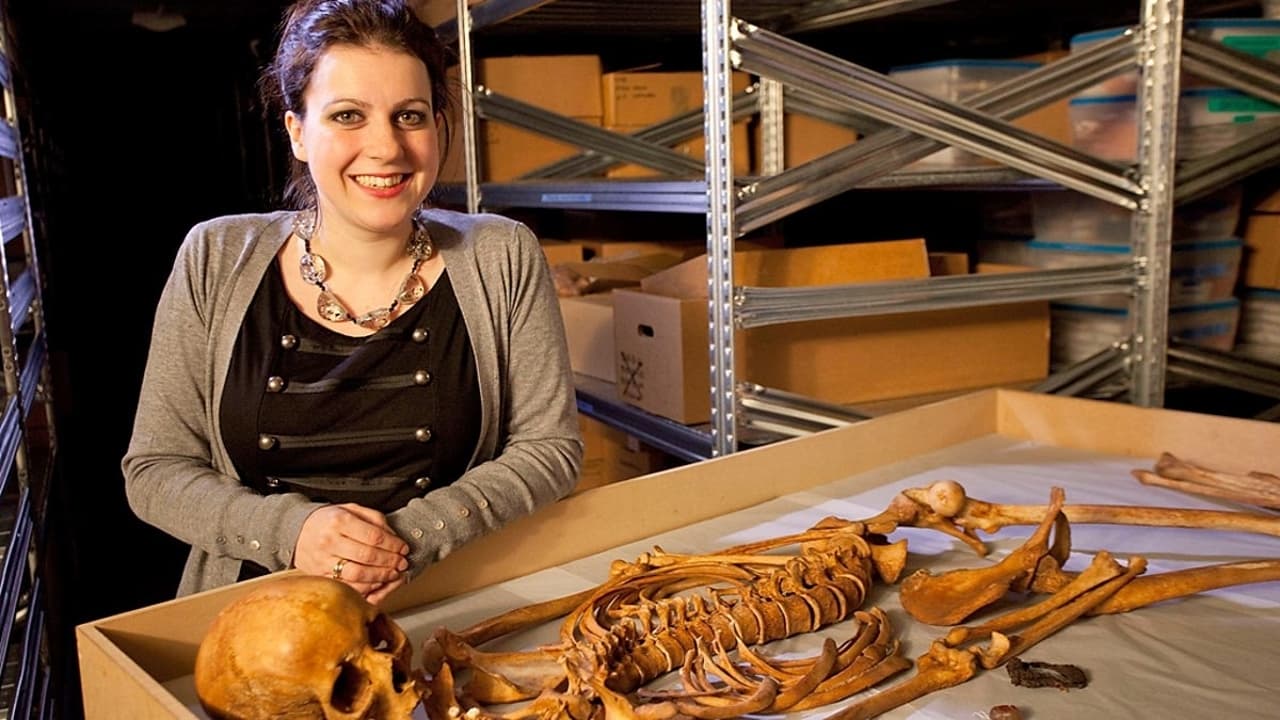
Dr Janina Ramirez travels across glaciers and through the lava fields of Iceland to find out about one of the most compelling of the great Viking stories - the Laxdaela Saga. This hour-long film explores how the unique literary achievements of the Saga writers were possible at a time of such immense cultural, political and religious upheaval.
Top Cast

Janina Ramirez
Self - Presenter (as Dr Janina Ramirez)
Sigurdur Atlason
Himself - Sorcery Expert
Vilborg Davíðsdóttir
Herself - Writer & Historian (as Vilborg Davidsdottir)
Benedikt Erlingsson
Himself
Hilmar Örn Hilmarsson
Himself - Pagan Priest (as Hilmar Orn Hilmarsson)
Siggi Jokulsson
Himself - Farmer and Storyteller
Einar Kárason
Himself - Best-selling Author (as Einar Karason)
Heather O'Donoghue
Herself - Professor of Old Norse, Oxford University
Gisli Sigurdsson
Himself - Historian







Janina Ramirez
Janina Ramirez
Self - Presenter (as Dr Janina Ramirez)
Janina Ramirez
Self - Presenter (as Dr Janina Ramirez)
Sigurdur Atlason
Sigurdur Atlason
Himself - Sorcery Expert
Sigurdur Atlason
Himself - Sorcery Expert
Vilborg Davíðsdóttir
Vilborg Davíðsdóttir
Herself - Writer & Historian (as Vilborg Davidsdottir)
Vilborg Davíðsdóttir
Herself - Writer & Historian (as Vilborg Davidsdottir)
Benedikt Erlingsson
Benedikt Erlingsson
Himself
Benedikt Erlingsson
Himself
Hilmar Örn Hilmarsson
Hilmar Örn Hilmarsson
Himself - Pagan Priest (as Hilmar Orn Hilmarsson)
Hilmar Örn Hilmarsson
Himself - Pagan Priest (as Hilmar Orn Hilmarsson)
Siggi Jokulsson
Siggi Jokulsson
Himself - Farmer and Storyteller
Siggi Jokulsson
Himself - Farmer and Storyteller
Einar Kárason
Einar Kárason
Himself - Best-selling Author (as Einar Karason)
Einar Kárason
Himself - Best-selling Author (as Einar Karason)
Heather O'Donoghue
Heather O'Donoghue
Herself - Professor of Old Norse, Oxford University
Heather O'Donoghue
Herself - Professor of Old Norse, Oxford University
Gisli Sigurdsson
Gisli Sigurdsson
Himself - Historian
Gisli Sigurdsson
Himself - Historian
Similar Movies
This timely, bold set of one-on-one interviews presents two of the most venerable figures from the American Left—renowned historian Howard Zinn and linguist and philosopher Noam Chomsky—each reflecting upon his own life and political beliefs. At the age of 88, Howard Zinn reflects upon the Civil Rights and anti–Vietnam War movements, political empires, history, art, activism, and his political stance. Setting forth his personal views, Noam Chomsky explains the evolution of his libertarian socialist ideals, his vision for a future postcapitalist society, the Enlightenment, the state and empire, and the future of the planet.
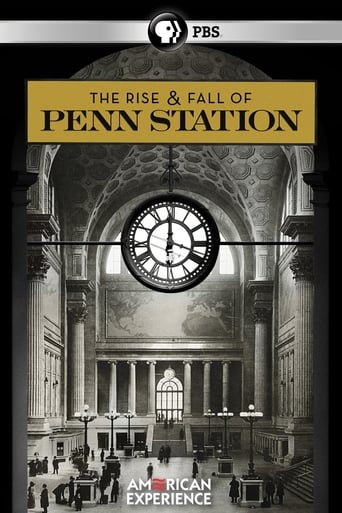
In 1910, the Pennsylvania Railroad successfully accomplished the enormous engineering feat of building tunnels under New York City's Hudson and East Rivers, connecting the railroad to New York and New England, knitting together the entire eastern half of the United States. The tunnels terminated in what was one of the greatest architectural achievements of its time, Pennsylvania Station. Penn Station covered nearly eight acres, extended two city blocks, and housed one of the largest public spaces in the world. But just 53 years after the station’s opening, the monumental building that was supposed to last forever, to herald and represent the American Empire, was slated to be destroyed.
Why has letterpress printing survived? Irreplaceable knowledge of the historic craft is in danger of being lost as its caretakers age. Fascinating personalities intermix with wood, metal, and type as young printers save a traditional process in Pressing On, a 4K feature-length documentary exploring the remarkable community keeping letterpress alive.
Between 1968 and 1970, J M Goodger, a lecturer at the University of Salford, made a film record of the living conditions in the slums of Ordsall, Salford, which were then in the process of being demolished. Under the title 'The Changing face of Salford', the film was in two parts: 'Life in the slums' and 'Bloody slums'.
Before there was Disneyland, there was Coney Island. By the turn of the century, this tiny piece of New York real estate was internationally famous. On summer Sundays, three great pleasure domes--Steeplechase, Luna Park and Dreamland--competed for the patronage of a half-million people. By day it was the world's most amazing amusement park, by night, an electric "Eden".
Summer 1936 - The Berlin Olympics, organized by the Nazi regime on the eve of World War II, acted as a grand showcase for a Germany that was athletic, peaceful and rejuvenated. The violence and hate that until then had reigned in the streets of Berlin suddenly vanished. Adolf Hitler became the triumphant host of European countries he would soon try to invade or face in a deadly global conflict.
At the end of the 19th century, a poor family comes to the rural Canudos, a community led by Antônio Conselheiro, seen by many as a holy prophet. Their ways bother the powerful people of the region, and the newly founded Republic sends their army to destroy the settlement, which culminates in one of the bloodiest wars in the history of Brazil.
In the early 70s Greek cinema entered in a period of crisis. One of its aspects was said "crisis of issues" and one of the exits heard in the name "erotic cinema". The genre was already acquaintance from the abundance of foreigner films, that was distributed in the grindhouses under the "adults only" motto and its Greek version had a lot of variants.