

Queen of Hearts
Documentary
Overview
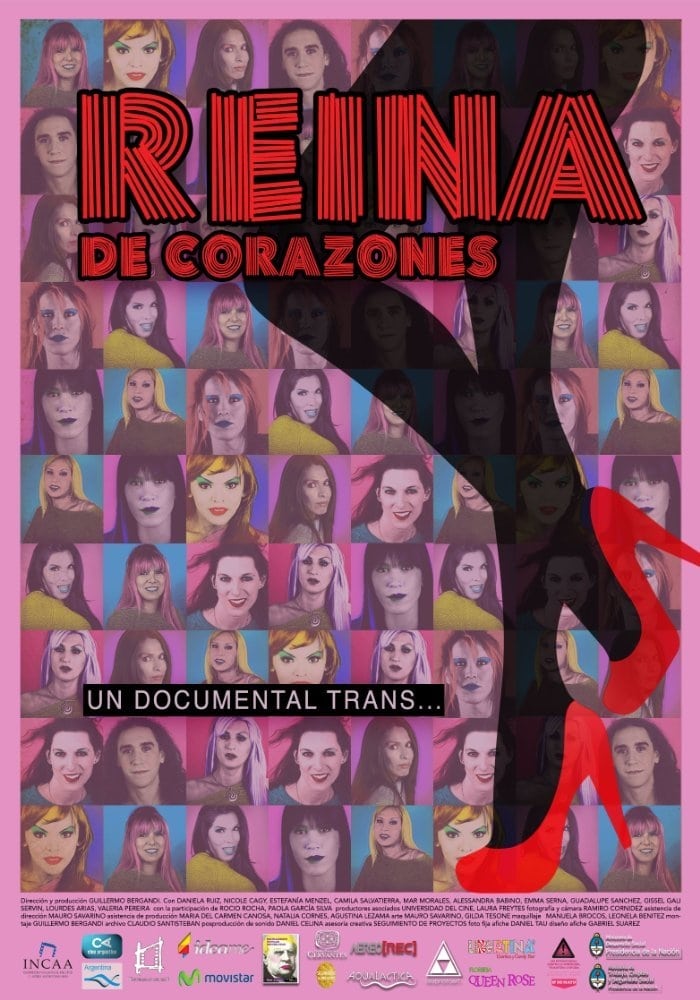
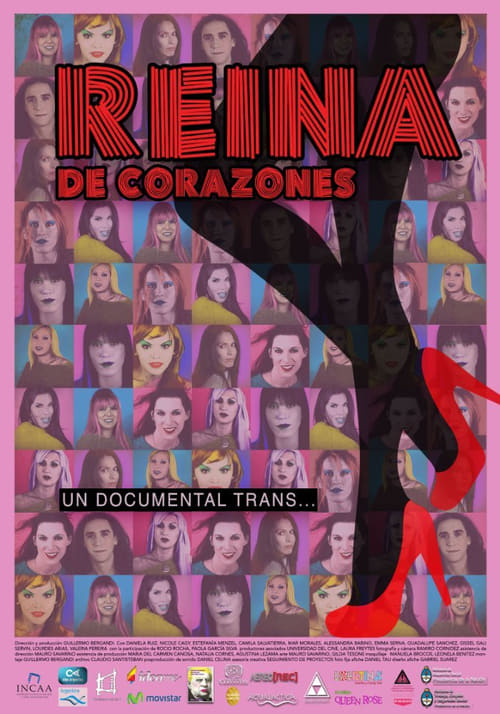
The story of ten trans girls who form a co-op theatre to be able to stop working as prostitutes. The protagonists tell us their dreams, show their daily struggles and share their experiences and realities to be accepted and belong to society as well.
Top Cast








Daniela Ruiz
Daniela Ruiz
herself
Daniela Ruiz
herself
Emma Serna
Emma Serna
herself
Emma Serna
herself
Nicole Cagy
Nicole Cagy
herself
Nicole Cagy
herself
Mar Morales
Mar Morales
herself
Mar Morales
herself
Camila Salvatierra
Camila Salvatierra
herself
Camila Salvatierra
herself
Estefanía Menzel
Estefanía Menzel
herself
Estefanía Menzel
herself
Lourdes Arias
Lourdes Arias
herself
Lourdes Arias
herself
Victoria Guadalupe Sánchez
Victoria Guadalupe Sánchez
herself
Victoria Guadalupe Sánchez
herself
Gissel Gali Servin
Gissel Gali Servin
herself
Gissel Gali Servin
herself
Alessandra Babino
Alessandra Babino
herself
Alessandra Babino
herself
Similar Movies
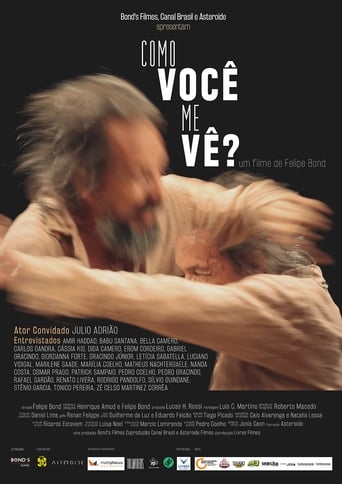
How Do You See Me? is a Brazilian documentary feature that entwines both experienced actors and beginners to explore the hardships and the happiness that are inherent to the job when detached from the glam and glitz of the gossip industry, creating a diverse and comprehensive mosaic of what it means to be an actor in Brazil, a country so full of contradictions. The film brings forward a reality that the masses usually don't get to know: the men and women moved by a deep passion for acting and touching people. With Julio Adrião, Matheus Nachtergaele, José Celso Martinez, Cássia Kis, Nanda Costa, Babu Santana, Luciano Vidigal and Letícia Sabatella, among others.
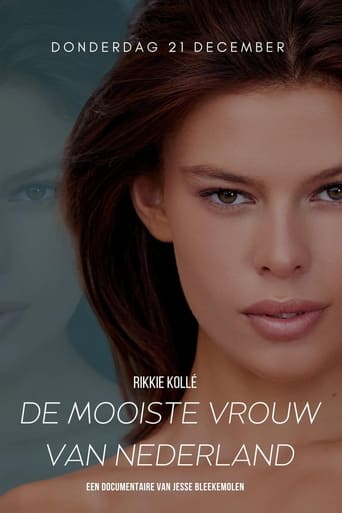
Rikkie Kollé will be the first trans woman to be crowned Miss Netherlands in July 2023. In addition to praise, 22-year-old Rikkie receives a remarkable amount of misunderstanding and hate reactions about herself. Fortunately, they have only strengthened her mission even more: being an example for young trans people and normalizing gender diversity. In a unique documentary, Miss Netherlands is followed on her way to the world stage in El Salvador where she is making a bid for the title of Miss Universe, with all the work, obligations and preparations that entails.
A look at the entire process of creating and developing Patrice Chéreau’s third staging of "In the Solitude of Cotton Fields" by Bernard Marie Koltès with Pascal Greggory and Chéreau himself. From the first reading around the table through the first contact with the performance space, rehearsals and lighting to opening night, the entire creative process unfurls in front of our eyes. The film shows us the evolving and ongoing dialogue between Greggory and Chéreau, a dialogue full of crises and magical moments of harmony and insight via which the truth, intensity, complexity, mystery and depth of Koltès’ text gradually emerge to form an implicit bond between these two men. The film also shows Chéreau directing rehearsals for Mozart’s "Don Giovanni" in Salzburg, revealing both the unity of and profound differences between his opera and theater work.

Made during the last months of actor Kurt Raab, who died of AIDS in 1988. Raab, who had worked in both theatre and film, most notably with Fassbinder, was in the process of making a series of video sketches for a new production when he learned that he had AIDS. Despite his deteriorating health, and with the caring support of his friend Hans Hirshmuller, he carried on working. This tape is his last testimony.
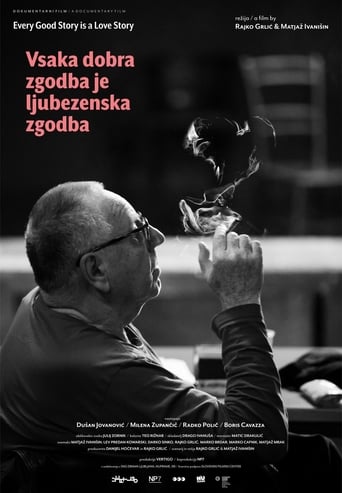
A film about a theatre performance and four very notable people behind it: writer and director D. Jovanović, actress M. Zupančič and actors R. Polič and B. Cavazza. This is a story of a love triangle and of a multi-layered, entirely overt intertwining of protagonists’ public artistic personas and their personal lives. The film documents a 4-month process of the making of a theatre piece from the first rehearsal to the opening night, at the same time uncovering the intimate lives of the artists and telling a universal story of the relationship between the real and the imagined, a story of personal and public perceptions of art.
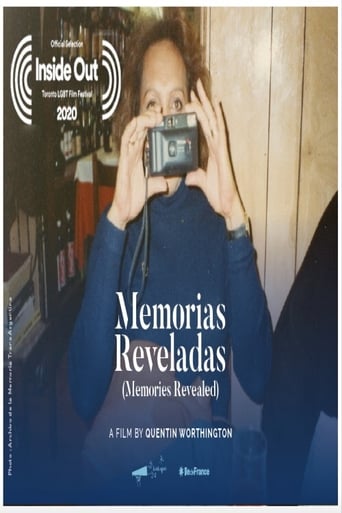
Over the course of 10 months, a camera travels to Buenos Aires, Argentina and Hanover, Germany to meet with Magalí, María Belén, Ivana and Carla, the founding members of the Archivo De La Memoria Trans Argentina, the first existing Trans Archive in the world. Taking the shape of a photo-novel, the documentary not only recounts the founding members lives as trans women under the Argentine dictatorship (1976-1983), the AIDS epidemy, state repression and mass assassinations but also years of fighting for their rights, sorority and the exaltation of life and laughter in times of death. Filming each one of them is filming them embracing their new role as curators, archivists and historians while a collection of 7,000 photos goes through the filter of their memories.
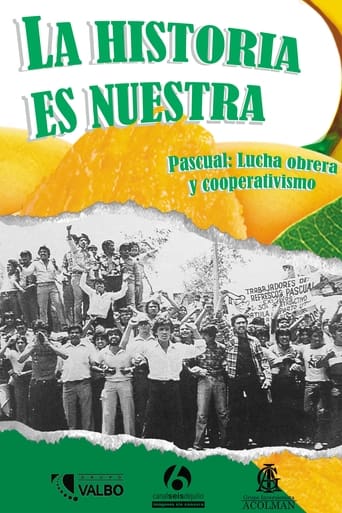
History is Ours narrates the struggle of the workers of the Refrescos Pascual soft-drink company against its owner, Rafael Jiménez, the official trade unionism of the CTM and the labor authorities of the governments of José López Portillo and Miguel de la Madrid, between 1982 and 1985. It documents the workers' difficult struggle to take over the company, when justice, which had been elusive, finally proved them right, and opened the possibility that these brave, tenacious workers would become collective owners of the company. Today, these soft-drink fighters resist a system that hits Mexican companies in favor of the monopolistic transnationals. The film is an account of one of the most brilliant episodes of the contemporary Mexican labor movement, an example of unity and class consciousness, embodied by men and women who make their struggle a tribute to comrades Concepción Jacobo García and Alvaro Hernández García, tragically fallen at the beginning of this historic event.

Kelet is a twentysomething black trans woman, whose greatest dream is to be on the cover of Vogue magazine. For the Finnish-born and Manchester-raised Kelet, such models as Naomi Campbell and Iman served as role models giving her strength – and during the darkest times, kept her alive. After coming out, then 19-year-old Kelet was cut off from her family and she moved back to Finland on her own.