

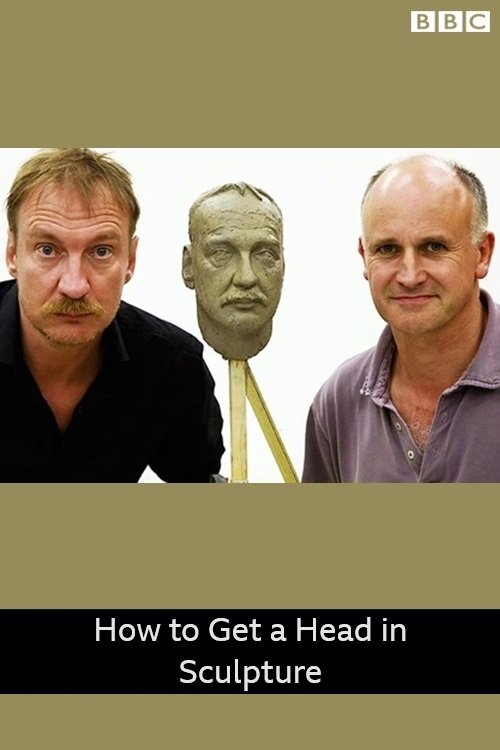
How to Get a Head in Sculpture
Documentary
Overview
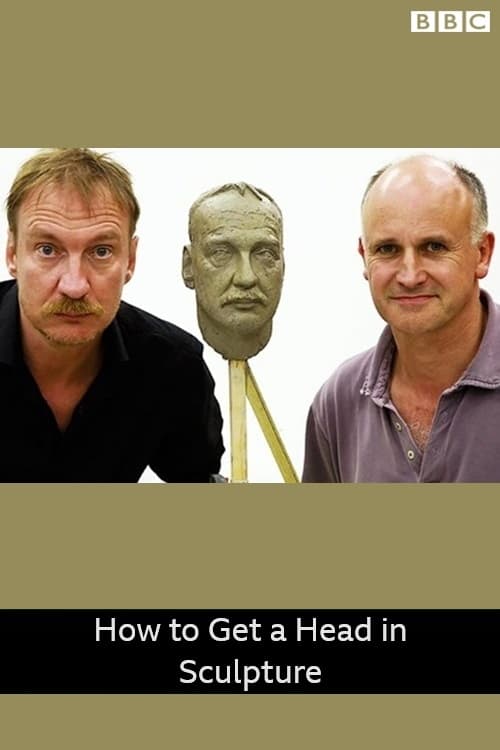
From the heads of Roman Emperors to the 'blood head' of contemporary British artist Marc Quinn, the greatest figures in world sculpture have continually turned to the head to re-evaluate what it means to be human and to reformulate how closely sculpture can capture it. Witty, eclectic and insightful, this film is a journey through the most enduring subject for world sculpture, one that carves a path through politics and religion, the ancient and the modern. Actor David Thewlis has his head sculpted by three different sculptors, while the Archbishop of Canterbury Dr Rowan Williams, artist Maggi Hambling and art critic Rachel Johnston discuss art's most enduring preoccupation, ourselves.
Top Cast

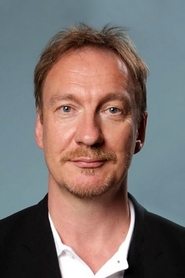
David Thewlis
David Thewlis
Self
David Thewlis
Self
Similar Movies
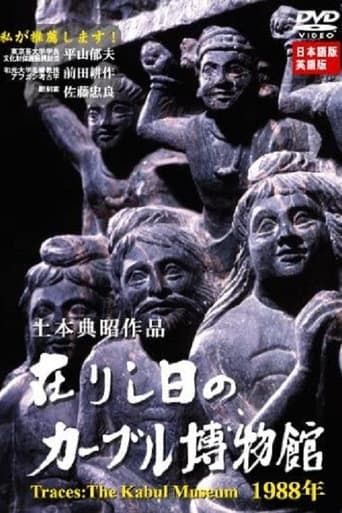
The Kabul National Museum, once known as the "face of Afghanistan," was destroyed in 1993. We filmed the most important cultural treasures of the still-intact museum in 1988: ancient Greco-Roman art and antiquitied of Hellenistic civilization, as well as Buddhist sculpture that was said to have mythology--the art of Gandhara, Bamiyan, and Shotorak among them. After the fall of the Democratic Republic of Afghanistan in 1992, some seventy percent of the contents of the museum was destroyed, stolen, or smuggled overseas to Japan and other countries. The movement to return these items is also touched upon. The footage in this video represents that only film documentation of the Kabul Museum ever made.
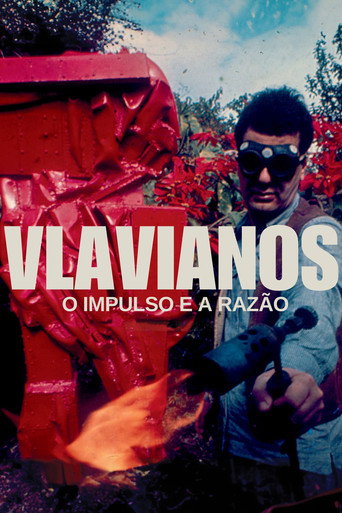
The documentary follows Nicolas Vlavianos (1929-2022), a renowned sculptor, in the final years of his life. It captures the moment — when he is around 90 years old — that he returns to an old drawer, tries to pick up his tools, and realizes he no longer has the strength to hold them. That simple gesture becomes the symbolic trigger: the end of his long creative cycle and the beginning of a farewell to his art. From there, the film documents the dismantling of Vlavianos’s studio and workspace, and the gradual process of his withdrawal from physical creation. It’s not just a retrospective of works: it’s a portrait of decline, memory, mortality, and legacy.

An examination of the relationship between the life and art of Maria Martins, now recognized as one of the greatest Brazilian sculptors, in addition to her engravings and texts. The film reveals the greatness of her work and her boldness when dealing directly with the feminine perspective of sexuality, a transgression that led to attacks by Brazilian critics. In parallel, her life as the wife of an important diplomat and her connection to Marcel Duchamp, in a relationship of mutual collaboration between the two artists.
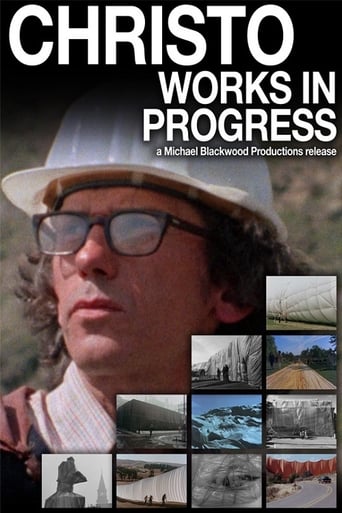
“Christo: Works in Progress” takes us around the world on a showcase of the artist’s grand environmental installations. With both critique and praise from members of the communities that have hosted Christo and his works, the film takes a deep look into the process and outcome of pieces such as Wrapped Coast, Running Fence, and Wrapped Walkways. While discussing his inspirations and motives, Christo states, “The work of art is not the fabric, steel poles and cable, the work of art is the hills and the ocean, the sky, the gates, the rocks, the people, the light- this is the work of art.” (Christo Vladimirov Javacheff) Though his work may appear to be visually distracting from the landscapes he creates in, Christo’s aim is to bring attention to the land itself and encourage people to take note of their surroundings.