

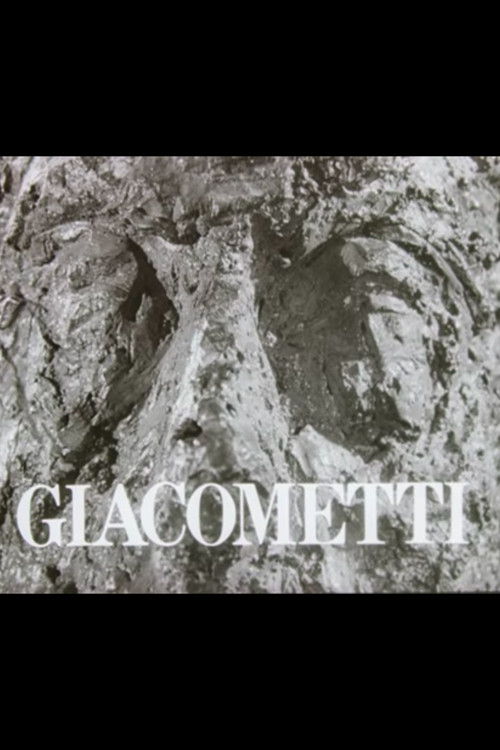
Giacometti
Documentary
Overview
The Arts Council commissioned this film to coincide with their major retrospective of Giacometti's work at the Tate Gallery (now Tate Britain) in the summer of 1965. A similar exhibition was held concurrently at the Museum of Modern Art in New York, sealing the artist's reputation as a modern master.
Top Cast








Alberto Giacometti
Alberto Giacometti
Himself
Alberto Giacometti
Himself
David Sylvester
David Sylvester
Narrator
David Sylvester
Narrator
Similar Movies
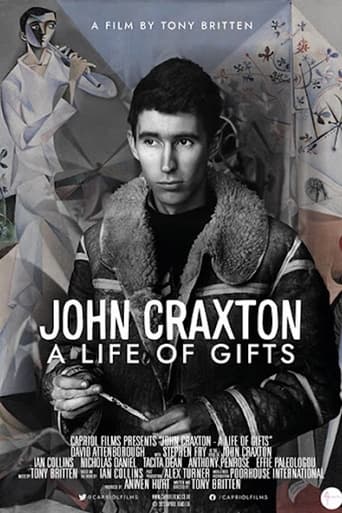
Discover the extraordinary life and art of John Craxton in this captivating documentary feature. From early success with Lucian Freud to his vibrant years in Greece and Crete, Craxton’s bold, colorful paintings mirrored his passionate personal life and relationships with icons like Lee Miller and Margot Fonteyn. This film unveils how his artistic genius and unconventional lifestyle cemented his legacy as one of the most celebrated English artists of the 20th century.

The feature-length documentary Fakir portrays the success of fakirism in Brazil, Latin America and France. This circus art origin show is presented and analyzed through archives that reveals the success of these presentations with their pain resistance championships and the great public presence, including politicians and government officials. Fakir spans current footage from contemporary artists who keep this art alive in performances and shows.
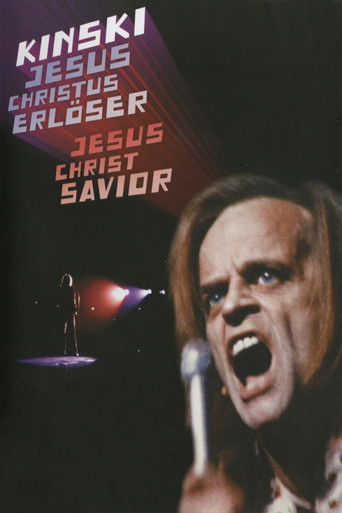
Klaus Kinski has perhaps the most ferocious reputation of all screen actors: his volatility was documented to electrifying effect in Werner Herzog’s 1999 portrait My Best Fiend. This documentary provides further fascinating insight into the talent and the tantrums of the great man. Beset by hecklers, Kinski tries to deliver an epic monologue about the life of Christ (with whom he perhaps identifies a little too closely). The performance becomes a stand-off, as Kinski fights for control of the crowd and alters the words to bait his tormentors. Indispensable for Kinski fans, and a riveting introduction for newcomers, this is a unique document, which Variety called ‘a time capsule of societal ideals and personal demons.’