

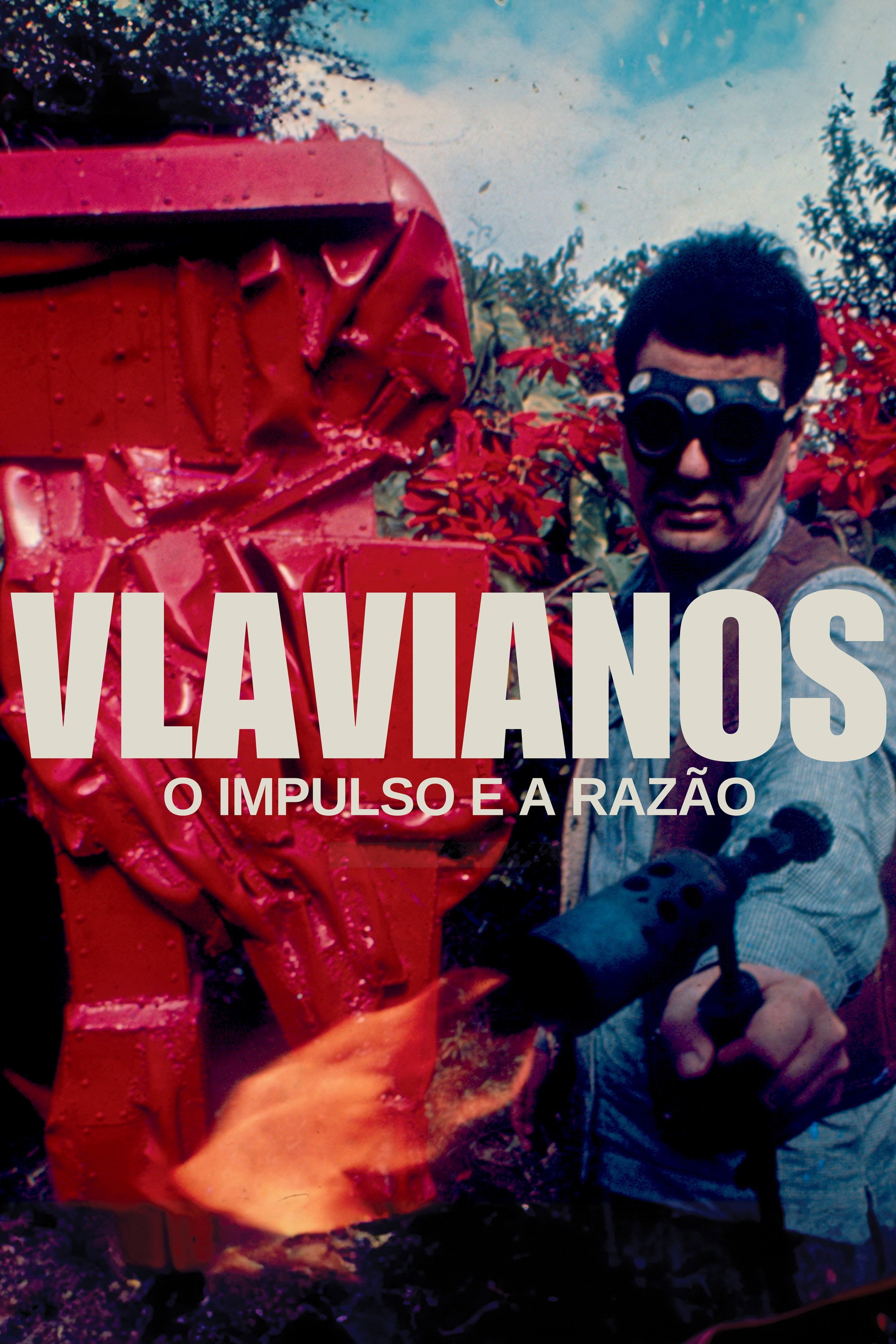
Vlavianos: Impulse and Reason
Documentary
Overview
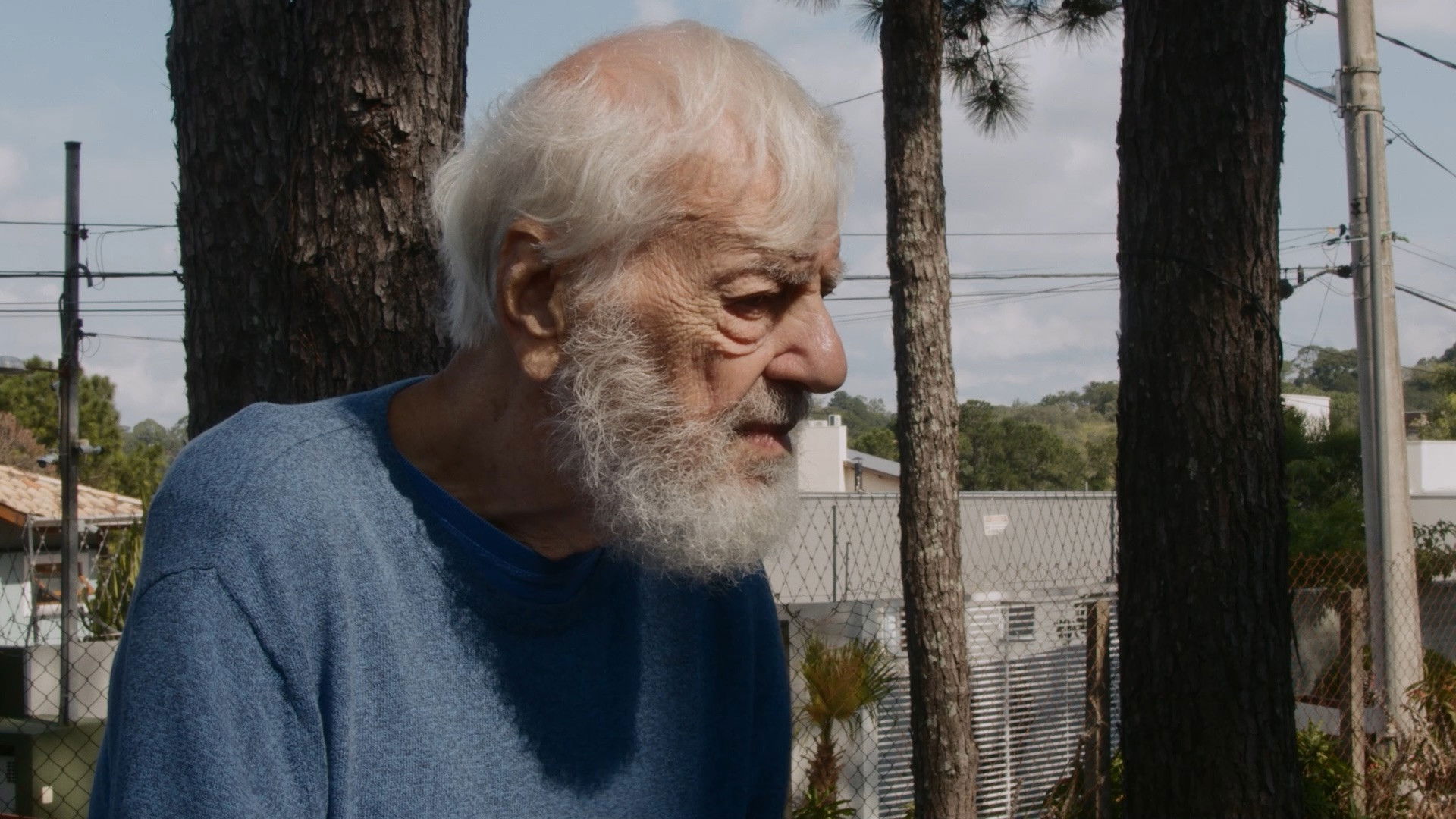
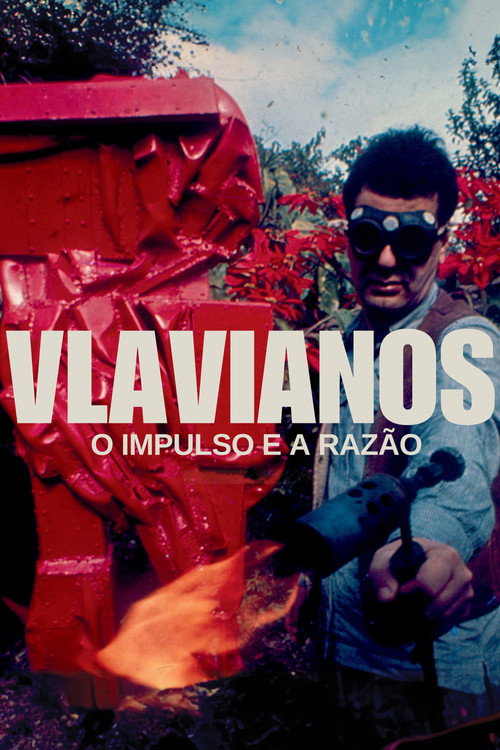
The documentary follows Nicolas Vlavianos (1929-2022), a renowned sculptor, in the final years of his life. It captures the moment — when he is around 90 years old — that he returns to an old drawer, tries to pick up his tools, and realizes he no longer has the strength to hold them. That simple gesture becomes the symbolic trigger: the end of his long creative cycle and the beginning of a farewell to his art. From there, the film documents the dismantling of Vlavianos’s studio and workspace, and the gradual process of his withdrawal from physical creation. It’s not just a retrospective of works: it’s a portrait of decline, memory, mortality, and legacy.


Nicolas Vlavianos
Nicolas Vlavianos
Nicolas Vlavianos
Nicolas Vlavianos
Nicolas Vlavianos

Verônica Stigger
Verônica Stigger
Verônica Stigger
Verônica Stigger
Verônica Stigger
Laura Rodriguez
Laura Rodriguez
Laura Rodriguez
Laura Rodriguez
Laura Rodriguez
Myrine Vlavianos
Myrine Vlavianos
Myrine Vlavianos
Myrine Vlavianos
Myrine Vlavianos
Fábio Magalhães
Fábio Magalhães
Fábio Magalhães
Fábio Magalhães
Fábio Magalhães
Thierry Freitas
Thierry Freitas
Thierry Freitas
Thierry Freitas
Thierry Freitas
Similar Movies
A poetic and personal cinematic meditation on displacement and loss, SKIN OF GLASS follows filmmaker Denise Zmekhol’s journey after discovering that her late father's most celebrated work as an architect, a modernist glass skyscraper in the heart of São Paulo, Brazil, has become occupied by hundreds of homeless families.
The Kabul National Museum, once known as the "face of Afghanistan," was destroyed in 1993. We filmed the most important cultural treasures of the still-intact museum in 1988: ancient Greco-Roman art and antiquitied of Hellenistic civilization, as well as Buddhist sculpture that was said to have mythology--the art of Gandhara, Bamiyan, and Shotorak among them. After the fall of the Democratic Republic of Afghanistan in 1992, some seventy percent of the contents of the museum was destroyed, stolen, or smuggled overseas to Japan and other countries. The movement to return these items is also touched upon. The footage in this video represents that only film documentation of the Kabul Museum ever made.
From the heads of Roman Emperors to the 'blood head' of contemporary British artist Marc Quinn, the greatest figures in world sculpture have continually turned to the head to re-evaluate what it means to be human and to reformulate how closely sculpture can capture it. Witty, eclectic and insightful, this film is a journey through the most enduring subject for world sculpture, one that carves a path through politics and religion, the ancient and the modern. Actor David Thewlis has his head sculpted by three different sculptors, while the Archbishop of Canterbury Dr Rowan Williams, artist Maggi Hambling and art critic Rachel Johnston discuss art's most enduring preoccupation, ourselves.
The Arts Council commissioned this film to coincide with their major retrospective of Giacometti's work at the Tate Gallery (now Tate Britain) in the summer of 1965. A similar exhibition was held concurrently at the Museum of Modern Art in New York, sealing the artist's reputation as a modern master.
In operation to this day, the mansion known as Madame Satan began its activities in 1983, and in the 1980s was the main hub of avant-garde artists of the city, from which came out disparate and essential names for music, performing arts, visual arts, journalism, photo and video of Sao Paulo, as well as mythical characters of the night of São Paulo who made history with their absurd and impactful performances.
A child who just loved to skate from the age of eight, Poppy Starr Olsen became the number one female bowl skater in Australia at 14 and went on to take out bronze at the XGames at 17 - the ultimate competition in the world of skateboarding. The same year, skateboarding was announced as an official additional sport category at the Tokyo 2020 Olympics. Now faced with the opportunity to represent Australia on the world stage Poppy grapples with the transition from skater to athlete and the pressure of competition mounts in a way it has never done before.