


Dokkoi! Songs from the Bottom
Documentary
Overview
After the waning of the protests in Sanrizuka, Ogawa Pro started questioning the future of the collective and looking for other subjects to film. Following the method developed in the previous films, the filmmakers moved to the slum of Kotobuchi in the port city of Yokohama, where more than 6000 people were struggling to get by without any means of survival, exposed to industrial accidents and diseases. The result is one of the most moving films produced by the collective, a series of beautifully filmed portraits, voicing the silenced stories and songs of a group of people living in this community. Credit: ICA London





No cast information.
Similar Movies
MORENA tells the uplifting story of the Philippine National Surf Athlete Ikit Agudo, who overcame the pressure to blend into a society obsessed with skin whitening. Within the ocean, she found happiness, strength, and pride in her roots. Inspiring young girls around the world to embrace who they truly are. In the Philippines, skin-whitening remains a billion-peso industry, a legacy of colonial beauty ideals that for generations have led many to neglect their true identity and natural beauty.
No Rio de Janeiro, a 13 km do Cristo Redentor, dois portugueses aventuraram-se na mais temida favela do Brasil, onde moram mais de 300.000 pessoas - o Complexo do Alemão. Em 2007, no período de maior tensão e violência no Rio de Janeiro, viveram a maior operação policial já realizada no estado, sentiram na pele como é a vida de um simples morador. O filme retrata este perigoso e complexo mundo, um universo paralelo inserido dentro de uma ordem maior, um mundo à parte, que segue uma ordem diferente da ordem global.
Between 1968 and 1970, J M Goodger, a lecturer at the University of Salford, made a film record of the living conditions in the slums of Ordsall, Salford, which were then in the process of being demolished. Under the title 'The Changing face of Salford', the film was in two parts: 'Life in the slums' and 'Bloody slums'.
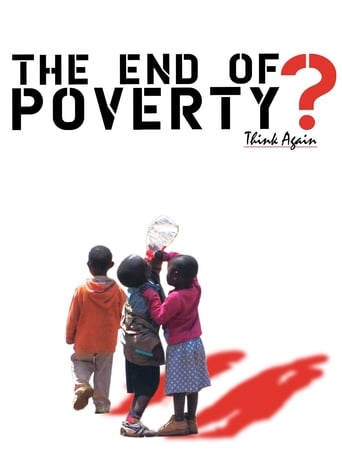
The End of Poverty? asks if the true causes of poverty today stem from a deliberate orchestration since colonial times which has evolved into our modern system whereby wealthy nations exploit the poor. People living and fighting against poverty answer condemning colonialism and its consequences; land grab, exploitation of natural resources, debt, free markets, demand for corporate profits and the evolution of an economic system in in which 25% of the world's population consumes 85% of its wealth. Featuring Nobel Prize winner Amartya Sen and Joseph Stiglitz, authors/activist Susan George, Eric Toussaint, Bolivian Vice President Alvaro Garcia Linera and more.
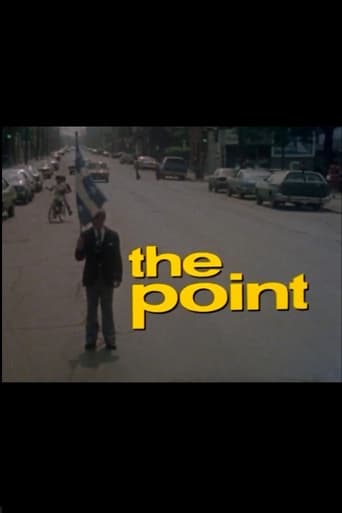
This documentary is a portrait of Point St. Charles, one of Montreal’s notoriously bleak neighbourhoods. Many of the residents are English-speaking and of Irish origin; many of them are also on welfare. Considered to be one of the toughest districts in all of Canada, Point St. Charles is poor in terms of community facilities, but still full of rich contrasts and high spirits – that is, most of the time.
A tomato is planted, harvested and sold at a supermarket, but it rots and ends up in the trash. But it doesn’t end there: Isle of Flowers follows it up until its real end, among animals, trash, women and children. And then the difference between tomatoes, pigs and human beings becomes clear.
Pulitzer Prize-winning journalists Nicholas Kristof and Sheryl WuDunn explore the causes and costs of addiction, poverty and incarceration plaguing America, from the inner city to small towns like Kristof's hometown of Yamhill, Oregon. While pockets of empathy and aid exist, are they enough to rescue the thousands of Americans in despair, for whom the American Dream of self-reliance is impossibly out of reach?