

Hell
Documentary
Overview
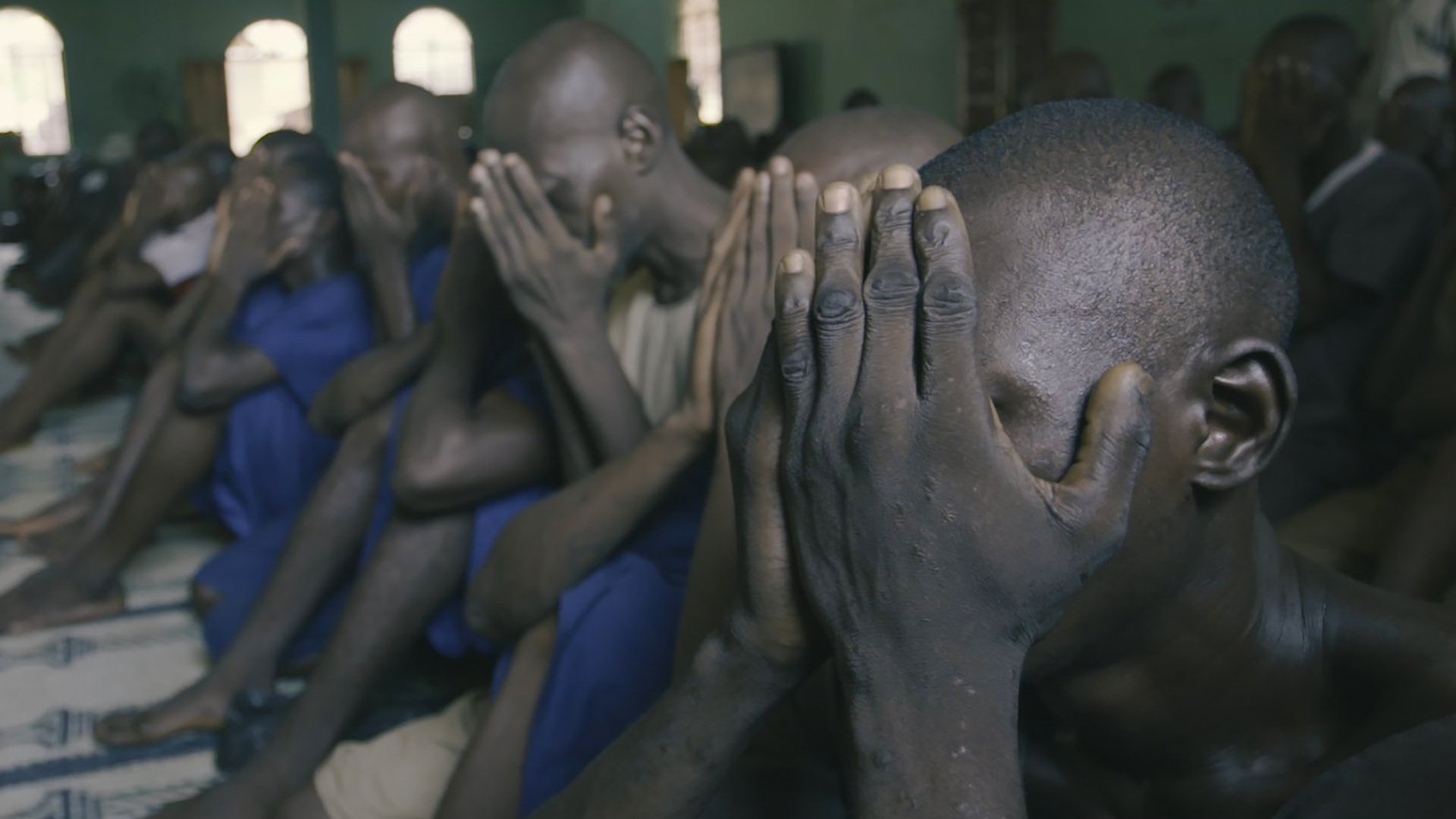
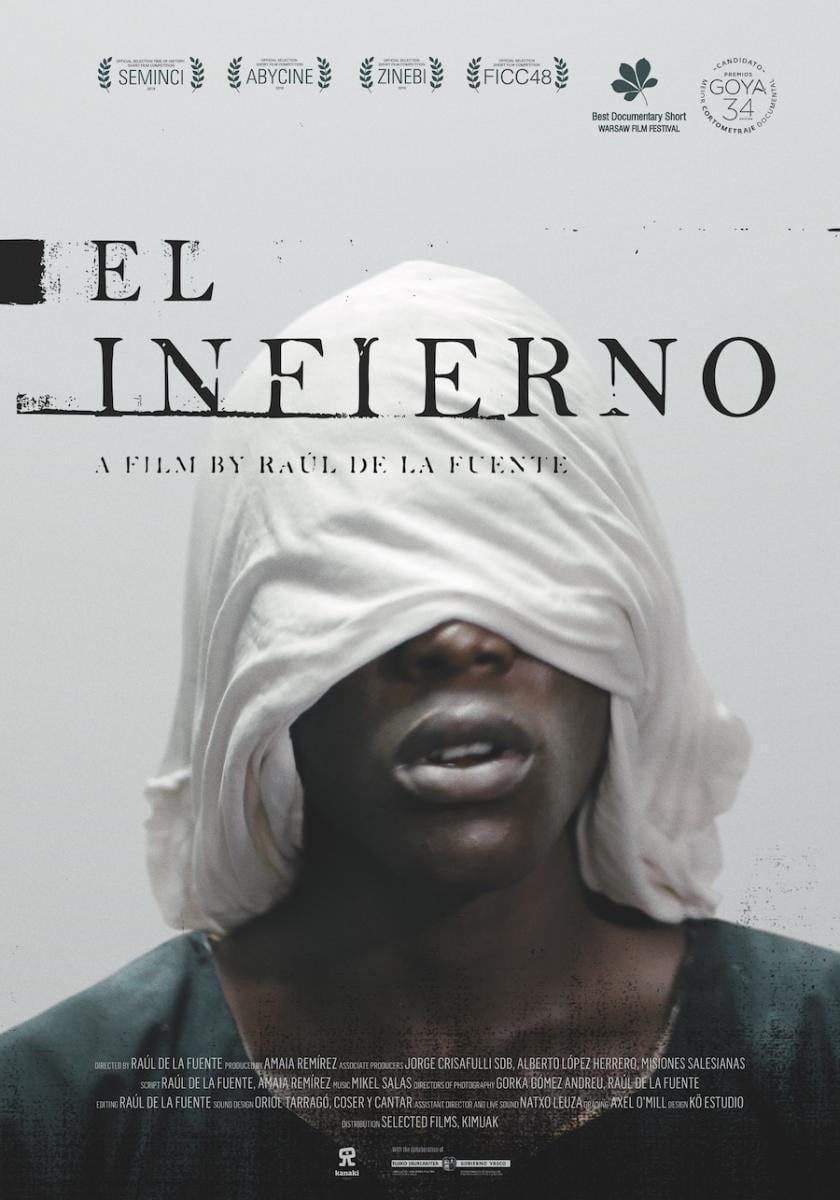
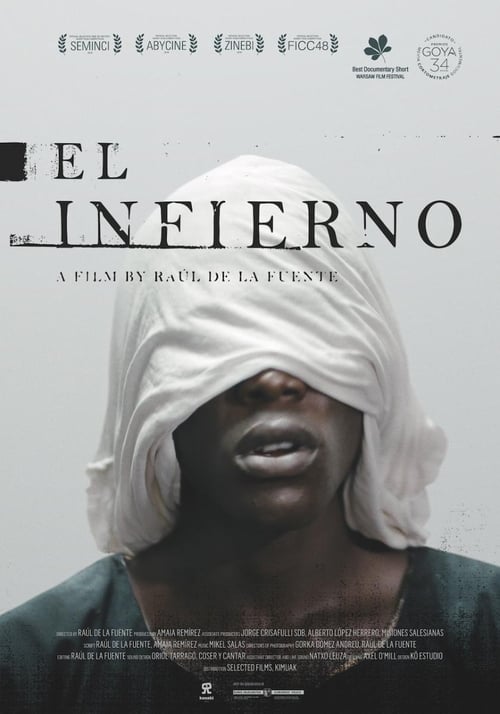
Chennu committed his first crime when he was 15 years old: being a street kid. And he entered hell: Pademba Road. The adult prison in Freetown. In hell, Mr. Sillah is in charge, and there is no hope. Chennu got out after four years. Now he wants to go back.




No cast information.
Similar Movies
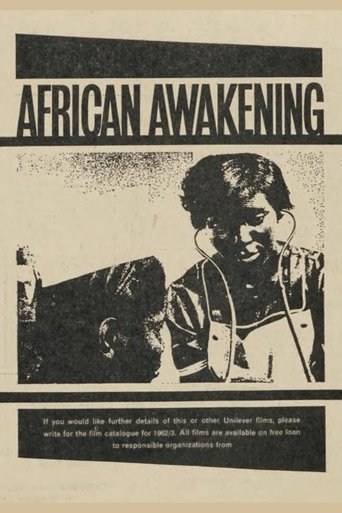
Among the many parts of the world in which Unilever companies operate, West Africa has a special place. The Africa of popular imagination is a land of jungles, swamps and mud huts; but side by side with the traditional, a new Africa is growing and the film "African Awakening” is an expression of this, of the attitudes of those African men and women who are today the driving force of West African progress. “African Awakening”, a colour film which runs for 38 minutes, is one of a series of Unilever films dealing with different aspects of African life.

6 February 1998, Port Arthur, Texas: Erin is home alone. She is about to watch a film when a masked man suddenly appears in the living room. She thinks it’s a friend joking around. 12 June 2013, Huntsville, Texas: In Huntsville State Penitentiary, preparations are underway for execution #499. A little after 6pm, Elroy Chester will be executed by lethal injection for the rape of Erin and Claire DeLeon and the murder of their uncle, fireman Billy Ryman. Killing Time reconstructs an old murder, and shows the impact on the family members and victims during the day of execution. The family of the victims and the prisoner, the guards in the towers, the pastors, the journalists, the handful of demonstrators: everyone has his own way of killing the last few hours of Elroy Chester’s life. Where one yearns for the long-anticipated closure of the case, the other faces oblivion
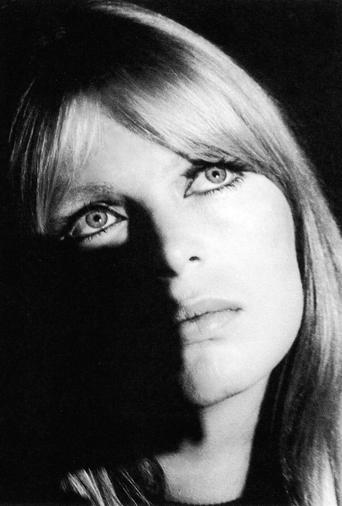
"Not a documentary but the the ruins of an attempted documentary." - Grashina Gabelmann Nico’s solo concert in West Berlin 1986. She’s high, giggly, not entirely there but her voice is still haunting and raspy and her presence still the one of a star. We see short clips of an interview held the same year in a hotel – an interview Gaul found somewhere, where he can not remember. We see footage borrowed from Andy Warhol’s estate. Footage of factory parties and screen tests.

J and Jacky are good friends who attend the same school. J is from a single-parent family, and will be taken care by Jacky’s family whenever his mother has to return to Mainland to renew her visa; such kind of story is not an isolated case. These families have been uprooted for a “better future” in Hong Kong, but is this “future” that the children really long to have? A Chinese saying: “How does one understand the joy of fish, if one is not a fish?” Will the adults really understand what the children want?
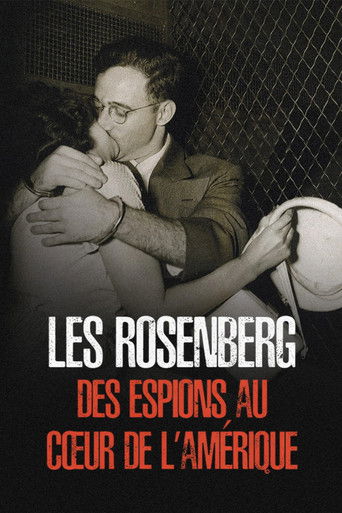
Based on testimony by Ethel’s brother, David Greenglass, the Rosenbergs are arrested by the FBI. The couple is accused of passing secret information about the atomic bomb to the USSR. Though the Rosenbergs maintain their innocence from the start, the media and public opinion seem to have condemned them from day one. The trial does nothing to change this and ends in a death sentence. On Friday June 19, 1953, Julius and Ethel Rosenberg are executed in the electric chair. Julius first, then Ethel. 30 years later, the truth finally comes out. Declassified FBI archives reveal that Ethel was not guilty of being a spy; she was merely married to one. Julius did indeed commit espionage for the Soviet Union, though primarily as a recruiter, nothing at all like the fictional James Bond. This documentary, made entirely of archival footage and animated illustrations, offers a tale of espionage as well as a complex family tragedy.

Several key words emerge from Hugo Pratt's work, inseparable from his life: travel, adventure, erudition, esotericism, mystery, poetry, melancholy... and of course, Corto Maltese, his hero and alter ego, who established him as one of the greatest names in comic books. Born in Italy in 1927 and dying in Switzerland sixty-eight years later, Hugo Pratt, born without an H and with only one T, grew up in the shadow of a fascist father who took him at a very young age to Ethiopia, which was occupied by Mussolini's forces. The teenager developed a fascination for the wide-open spaces of Africa, soon followed by an irresistible attraction to the Indian world. This was the starting point for a life of travel, success, conquests, rare failures, and marked by his veneration for the American cartoonist Milton Caniff, his absolute master.
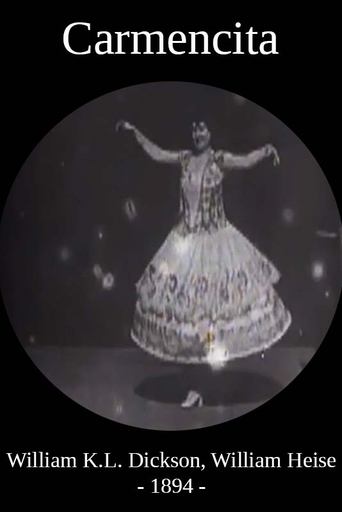
The first woman to appear in front of an Edison motion picture camera and possibly the first woman to appear in a motion picture within the United States. In the film, Carmencita is recorded going through a routine she had been performing at Koster & Bial's in New York since February 1890.
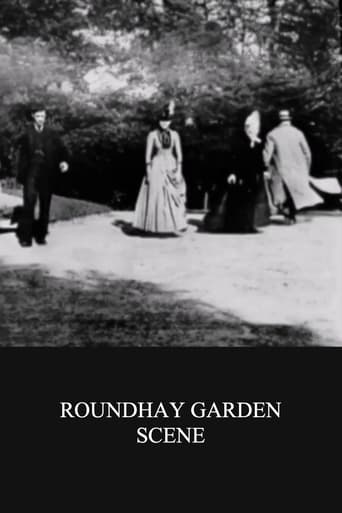
The earliest surviving motion-picture film, and believed to be one of the very first moving images ever created, was shot by Louis Aimé Augustin Le Prince using the LPCCP Type-1 MkII single-lens camera. It was taken on paper-based photographic film in the garden of Oakwood Grange, the Whitley family house in Roundhay, Leeds, West Riding of Yorkshire (UK), on 14 October 1888. The film shows Adolphe Le Prince (Le Prince’s son), Mrs. Sarah Whitley (Le Prince’s mother-in-law), Joseph Whitley, and Miss Harriet Hartley walking around in circles, laughing to themselves, and staying within the area framed by the camera. Roundhay Garden Scene is often associated with a recording speed of around 12 frames per second and runs for about 2 to 3 seconds.