

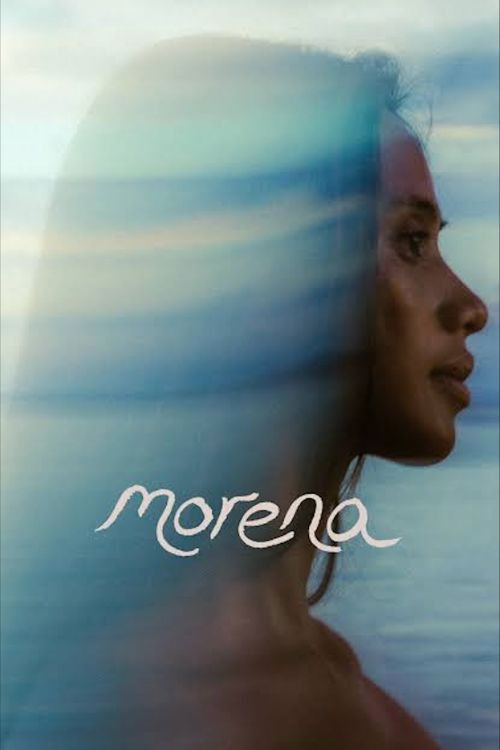
Morena
Documentary
Overview
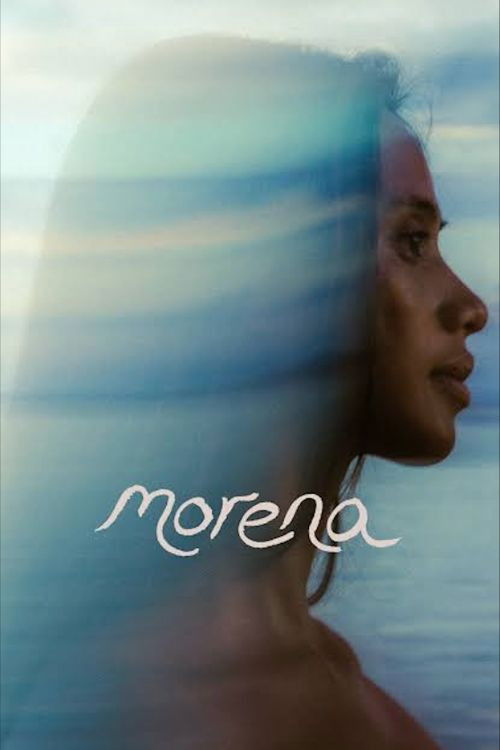
MORENA tells the uplifting story of the Philippine National Surf Athlete Ikit Agudo, who overcame the pressure to blend into a society obsessed with skin whitening. Within the ocean, she found happiness, strength, and pride in her roots. Inspiring young girls around the world to embrace who they truly are. In the Philippines, skin-whitening remains a billion-peso industry, a legacy of colonial beauty ideals that for generations have led many to neglect their true identity and natural beauty.
Top Cast



Ikit Agudo
Ikit Agudo
self
Ikit Agudo
self
Aping Agudo
Aping Agudo
self
Aping Agudo
self
Reynaldo Aguido
Reynaldo Aguido
self
Reynaldo Aguido
self
Jocelyn Aguido
Jocelyn Aguido
self
Jocelyn Aguido
self
Jelyn Forcadilla
Jelyn Forcadilla
Ikit as Kid
Jelyn Forcadilla
Ikit as Kid
Hannah Forcadilla
Hannah Forcadilla
Aping as Kid
Hannah Forcadilla
Aping as Kid
Sofia Forcadilla
Sofia Forcadilla
School Bully
Sofia Forcadilla
School Bully
Kobie Gonzales
Kobie Gonzales
School Bully
Kobie Gonzales
School Bully
Kia Forcadilla
Kia Forcadilla
Brother
Kia Forcadilla
Brother
Andy Generol
Andy Generol
Brother
Andy Generol
Brother
Similar Movies
This pioneering documentary film depicts the lives of the indigenous Inuit people of Canada's northern Quebec region. Although the production contains some fictional elements, it vividly shows how its resourceful subjects survive in such a harsh climate, revealing how they construct their igloo homes and find food by hunting and fishing. The film also captures the beautiful, if unforgiving, frozen landscape of the Great White North, far removed from conventional civilization.
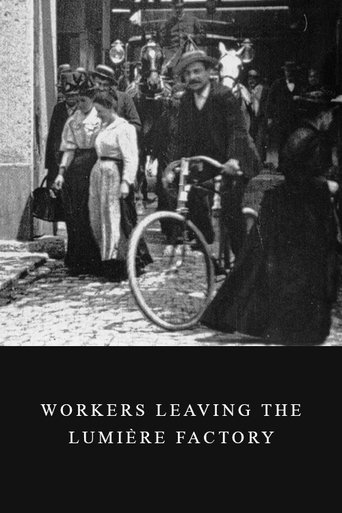
Working men and women leave through the main gate of the Lumière factory in Lyon, France. Filmed on 22 March 1895, it is often referred to as the first real motion picture ever made, although Louis Le Prince's 1888 Roundhay Garden Scene pre-dated it by seven years. Three separate versions of this film exist, which differ from one another in numerous ways. The first version features a carriage drawn by one horse, while in the second version the carriage is drawn by two horses, and there is no carriage at all in the third version. The clothing style is also different between the three versions, demonstrating the different seasons in which each was filmed. This film was made in the 35 mm format with an aspect ratio of 1.33:1, and at a speed of 16 frames per second. At that rate, the 17 meters of film length provided a duration of 46 seconds, holding a total of 800 frames.
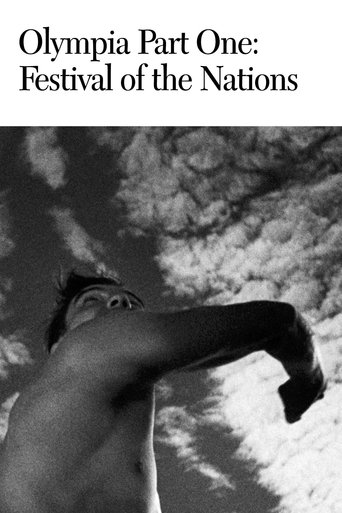
Starting with a long and lyrical overture, evoking the origins of the Olympic Games in ancient Greece, Riefenstahl covers twenty-one athletic events in the first half of this two-part love letter to the human body and spirit, culminating with the marathon, where Jesse Owens became the first track and field athlete to win four gold medals in a single Olympics.