

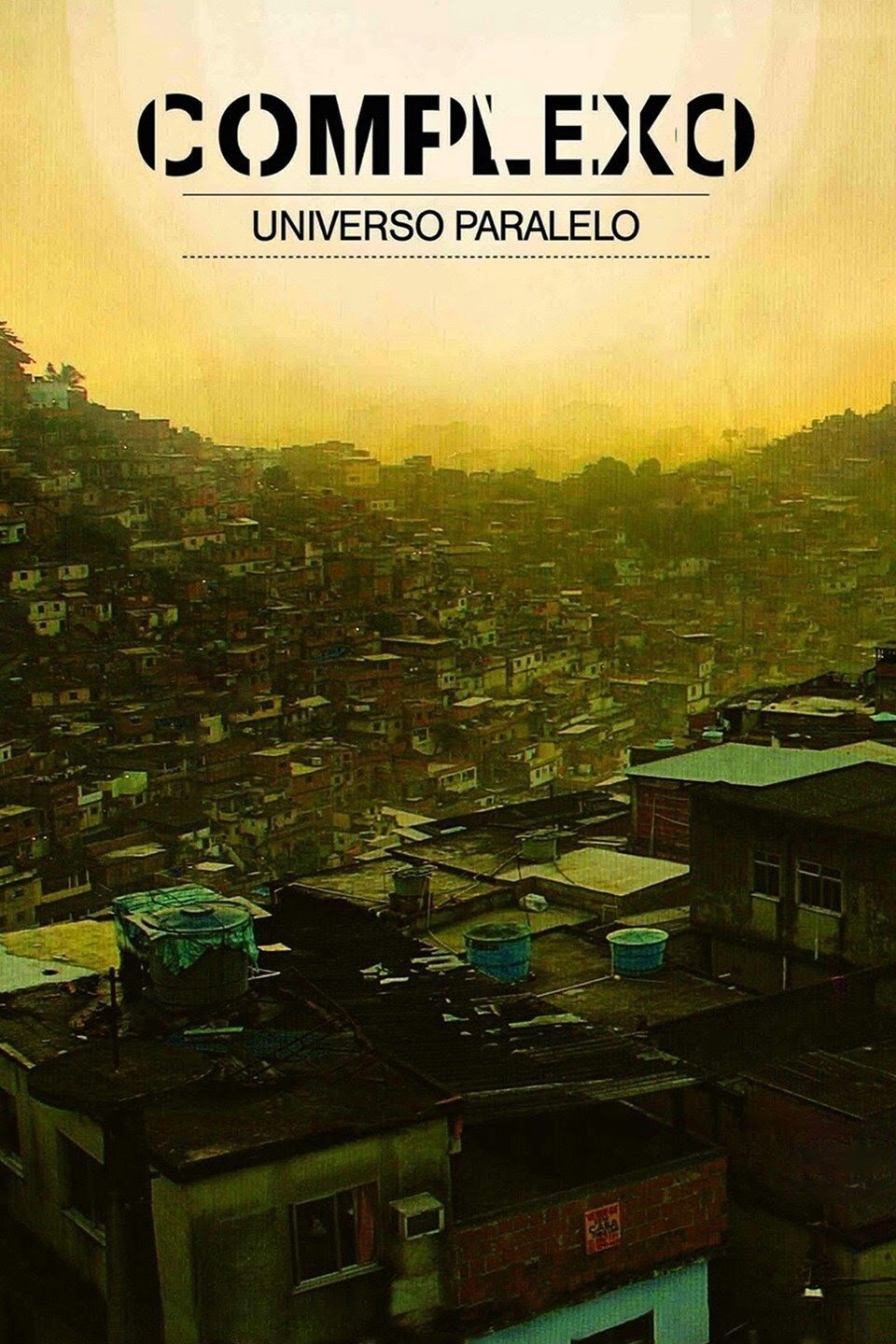
Complexo: Parallel Universe
Documentary
Overview
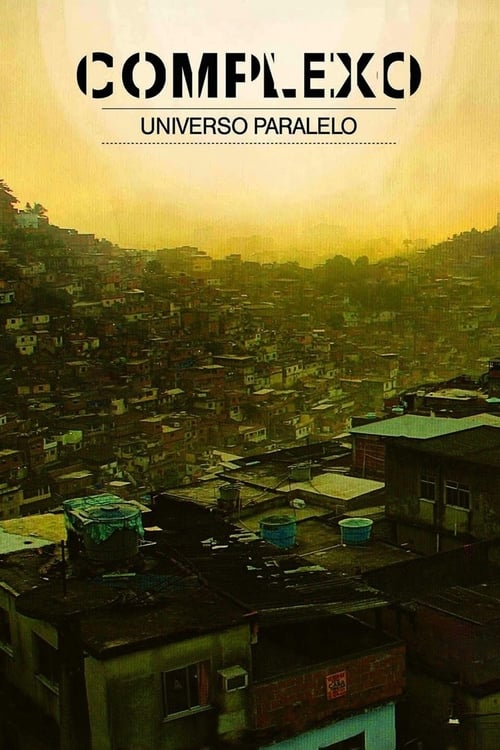
No Rio de Janeiro, a 13 km do Cristo Redentor, dois portugueses aventuraram-se na mais temida favela do Brasil, onde moram mais de 300.000 pessoas - o Complexo do Alemão. Em 2007, no período de maior tensão e violência no Rio de Janeiro, viveram a maior operação policial já realizada no estado, sentiram na pele como é a vida de um simples morador. O filme retrata este perigoso e complexo mundo, um universo paralelo inserido dentro de uma ordem maior, um mundo à parte, que segue uma ordem diferente da ordem global.


No cast information.
Similar Movies
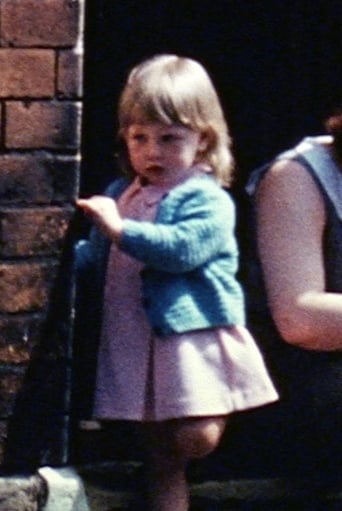
Between 1968 and 1970, J M Goodger, a lecturer at the University of Salford, made a film record of the living conditions in the slums of Ordsall, Salford, which were then in the process of being demolished. Under the title 'The Changing face of Salford', the film was in two parts: 'Life in the slums' and 'Bloody slums'.
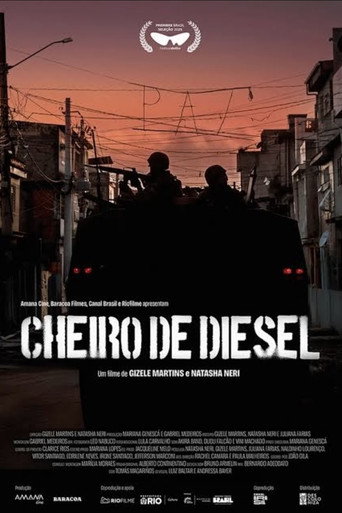
The documentary portrays the collective traumas of the militarization of Rio de Janeiro’s favelas occupied by the Armed Forces during the mega sporting events. Through voices from within the favelas, the film documents the struggle for justice and reparation for victims of human rights violations.
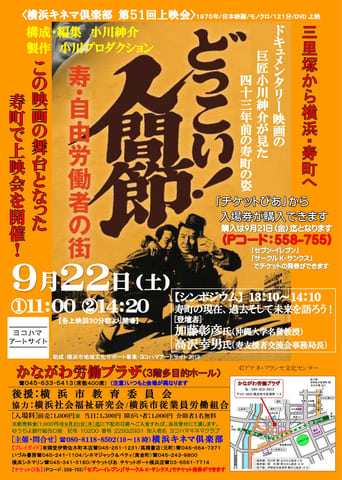
After the waning of the protests in Sanrizuka, Ogawa Pro started questioning the future of the collective and looking for other subjects to film. Following the method developed in the previous films, the filmmakers moved to the slum of Kotobuchi in the port city of Yokohama, where more than 6000 people were struggling to get by without any means of survival, exposed to industrial accidents and diseases. The result is one of the most moving films produced by the collective, a series of beautifully filmed portraits, voicing the silenced stories and songs of a group of people living in this community. Credit: ICA London

On the evening of March 11, 1950, Annabella Bracci, a 12-year-old girl, was brutally killed and thrown into a pit on the outskirts of Rome, near the village of Primavalle. A brief and poetic account of the events and their impact on an impoverished community. A handful of wild flowers and a painful catch in the voices.
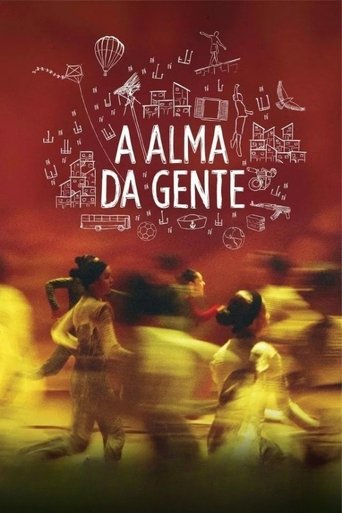
Sixty-six adolescents, residents of Favela da Maré, were selected to participate in a dance show led by the choreographer Ivaldo Bertazzo, which incorporated their own daily experiences. Ten years later, directors David Meyer and Helena Soldberg search for some of the participants of this experience.