

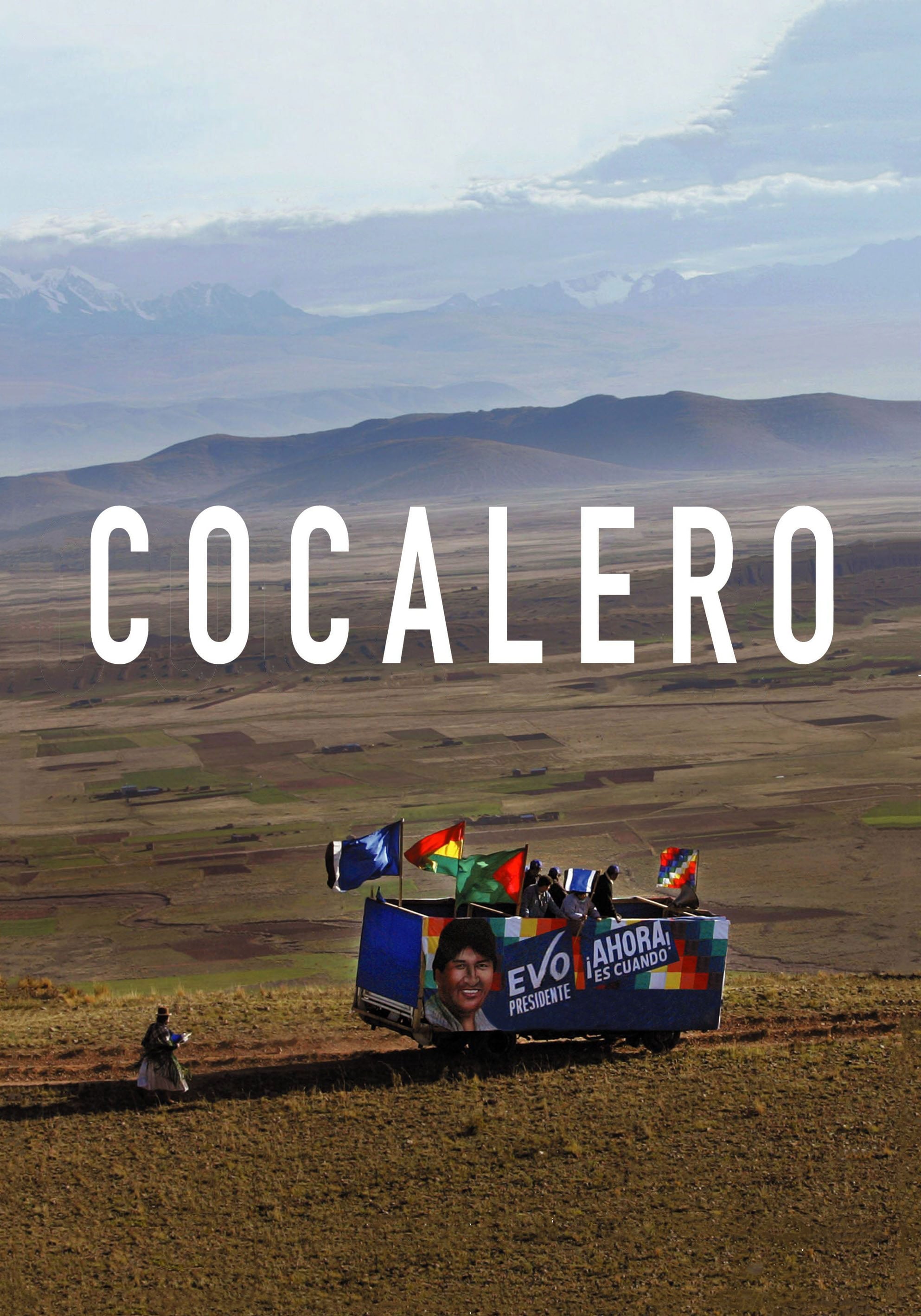
Cocalero
Documentary
Overview
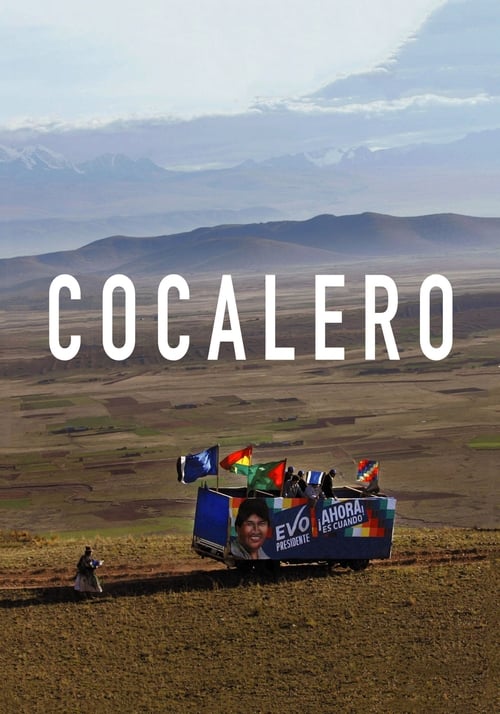
A documentary centered on the union formed by Bolivian farmers in response to their government's (which was urged by the U.S.) effort to eradicate coca crops, and the man who would come to represent them, Evo Morales.
Top Cast

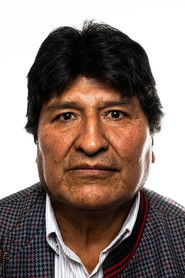
Evo Morales
Evo Morales
Himself
Evo Morales
Himself
Similar Movies
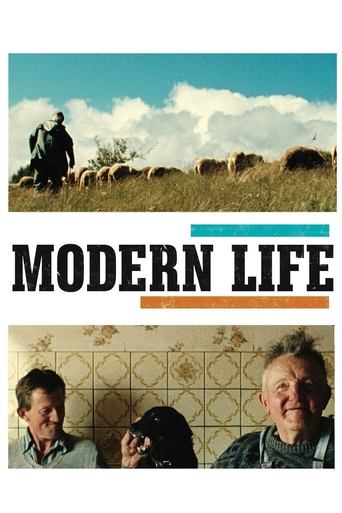
For ten years, Raymond Depardon has followed the lives of farmer living in the mountain ranges. He allows us to enter their farms with astounding naturalness. This moving film speaks, with great serenity, of our roots and of the future of the people who work on the land. This the last part of Depardon's triptych "Profils paysans" about what it is like to be a farmer today in an isolated highland area in France. "La vie moderne" examines what has become of the persons he has followed for ten years, while featuring younger people who try to farm or raise cattle or poultry, come hell or high water.

For decades, migrant workers have worked the fields of Immokalee, harvesting tomatoes, peppers, eggplants, oranges and other produce that is then shipped across the United States of America. Many of the workers are undocumented, and attempting to keep their jobs even as federal migration crackdowns hover over the town. The Fields of Immokalee film follows the daily lives of tomato workers, from the 5:00am trips to the parking lot in hopes of finding day labor, to work sessions in the scorching mid-day heat, to child detention centers for migrant youth that have been separated from their families. Via these vignettes, the film offers insight into the most volatile political issue of our time.
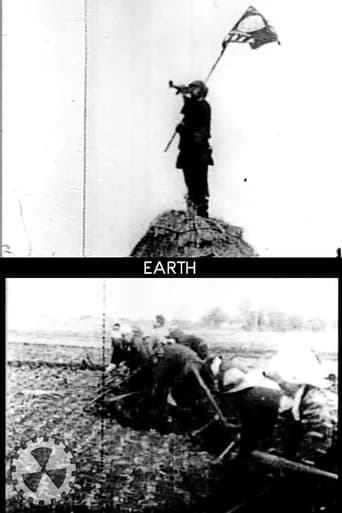
A main agenda of the prewar farmer's movement was struggle against landowners. Prokino also considered this as their prime concern. The main title sequence and the latter part of the film have unfortunately been lost. While we cannot see its entire structure, we can still get a glimpse of it from this surviving short.
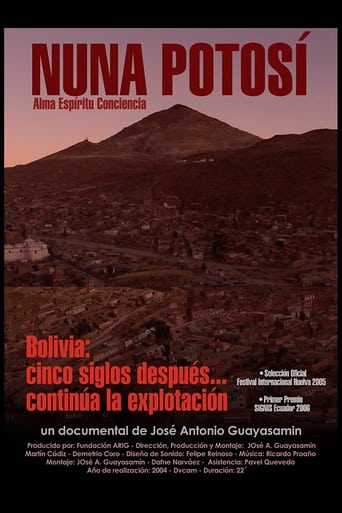
In the rich hill of Potosí in Bolivia there is a silver mine that was the largest in the world. It has been exploited since 1546 with the arrival of the Spanish who enslaved the indigenous people to steal the precious metal. To this day, hundreds of meters underground, the indigenous miners continue to exploit the mine in extremely precarious conditions, Martín Cádiz is one of them; hi works in the depths of the hill and desires that his children do not enter these tunnels of hell.

This film documents the coal miners' strike against the Brookside Mine of the Eastover Mining Company in Harlan County, Kentucky in June, 1973. Eastover's refusal to sign a contract (when the miners joined with the United Mine Workers of America) led to the strike, which lasted more than a year and included violent battles between gun-toting company thugs/scabs and the picketing miners and their supportive women-folk. Director Barbara Kopple puts the strike into perspective by giving us some background on the historical plight of the miners and some history of the UMWA. Preserved by the Academy Film Archive in partnership with New York Women in Film & Television in 2004.
When workers at the Hormel meatpacking plant in Austin, Minnesota are asked to take a substantial pay cut in a highly profitable year, the local labor union decides to go on strike and fight for a wage they believe is fair. But as the work stoppage drags on and the strikers face losing everything, friends become enemies, families are divided and the very future of this typical mid American town is threatened.

Danger, toil, and superstition pervade life in a mining town high up in the Bolivian mountains. Tin is the heartbeat of the community providing jobs and livelihoods - but at considerable cost. With deaths commonplace, people make offerings to El Tio, the devil under the earth, for protection and good fortune. But when the mountain's flow of tin ebbs, further measures must be taken...