

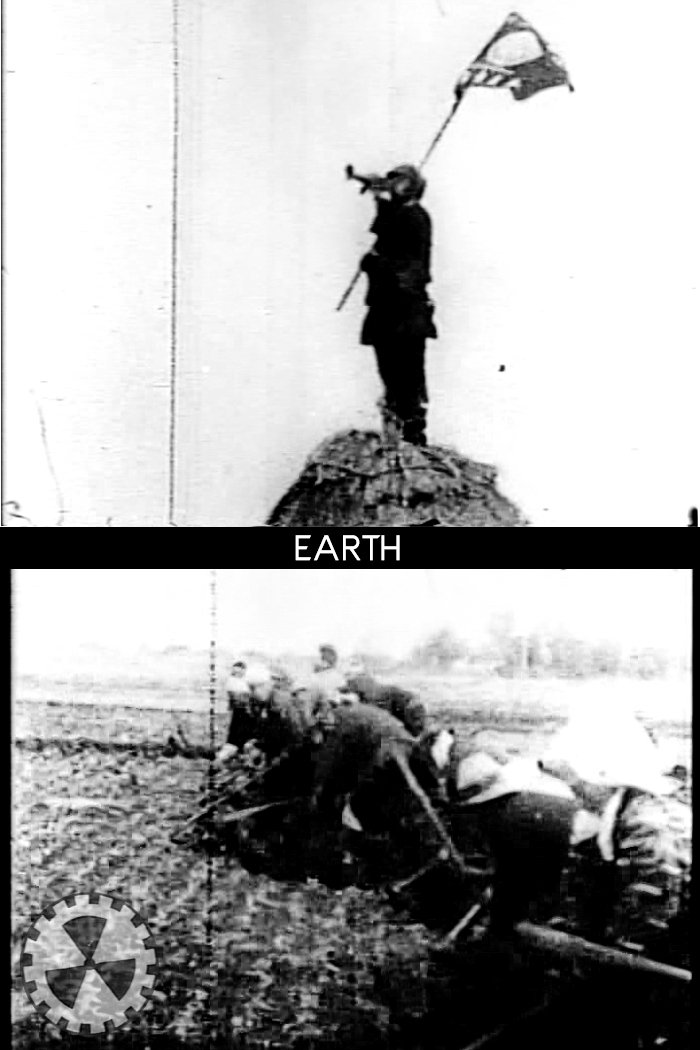
Earth
Documentary
Overview
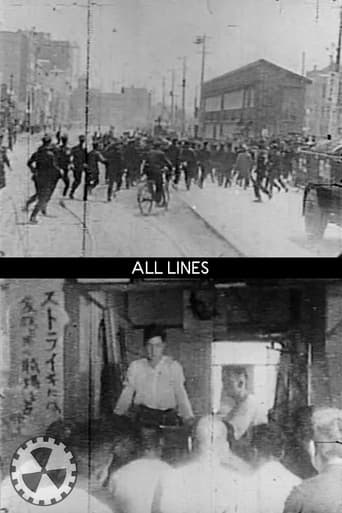
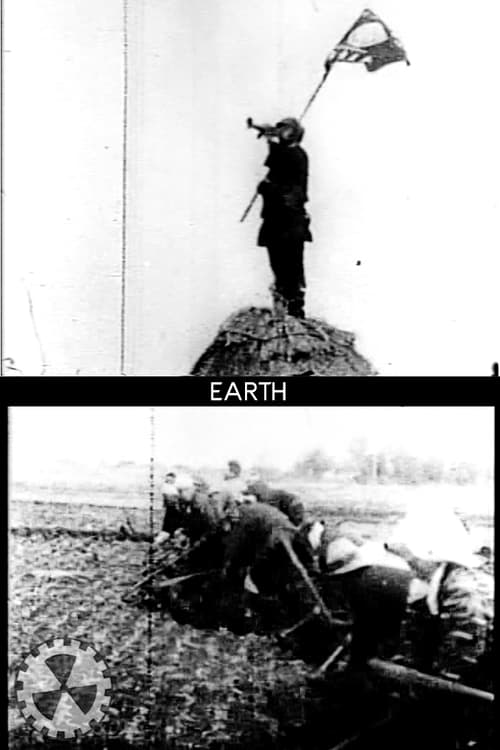
A main agenda of the prewar farmer's movement was struggle against landowners. Prokino also considered this as their prime concern. The main title sequence and the latter part of the film have unfortunately been lost. While we cannot see its entire structure, we can still get a glimpse of it from this surviving short.



No cast information.
Similar Movies
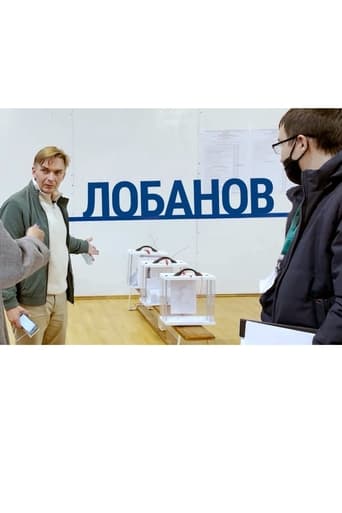
The 2021 Duma elections made Mikhail Lobanov a recognizable Moscow politician. The 37-year-old mathematician, lecturer at the Moscow State University, has long been involved in social activities: ten years ago he opposed political agitation at the university, participated in the creation of an independent association of university employees to protect their rights, and was almost fired for his activism. In 2021 elections, Lobanov ran for the Communist Party (he is not a member of the party, calls himself a democratic socialist) and waged a powerful grassroots campaign against the pro-government candidate, TV presenter Yevgeny Popov.
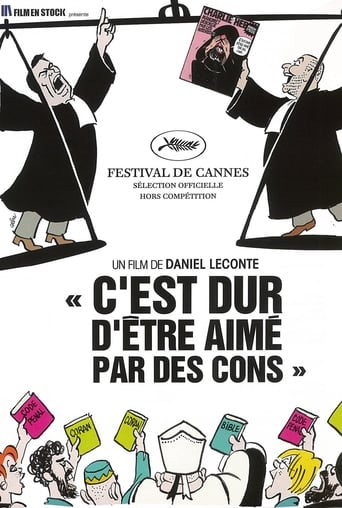
The murder of Dutch filmmaker Theo van Gogh by an Islamic extremist in 2004, followed by the publishing of twelve satirical cartoons depicting the prophet Mohammed that was commissioned for the Danish newspaper Jyllands-Posten, provides the incendiary framework for Daniel Leconte's provocative documentary, It's Hard Being Loved by Jerks.
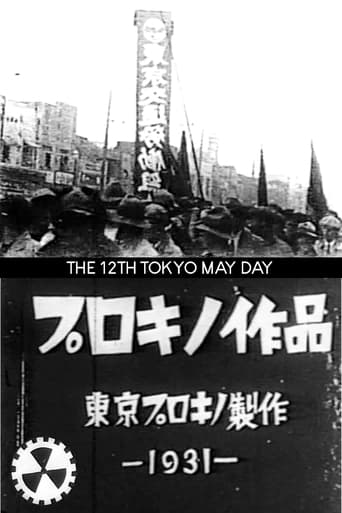
On May 1st, unions all over Japan celebrate May Day, the international day for workers. Workers gather together at parks and hold demonstrations and parades. May Day has its origins in a strike that occurred in the United States on May 1, 1886, a strike that called for an eight-hour workday. Prokino recorded the May Day every year from 1927 to 1932. Among these films, this work is the only one that has survived. However, only its first part has survived. The original film depicts the march to the Ueno Park where the rally was dismissed. Iwasaki Akira coordinated the entire Tokyo Prokino organization as it photographed the 1931 May Day celebrations. They shot in both 16mm and 35mm (other 35mm productions were planned, but this is the only one that achieved completion). A 16mm print was circulated around the countryside by mobile projection units, and a 35mm print was shown at Soviet film nights in Tokyo and Osaka.