

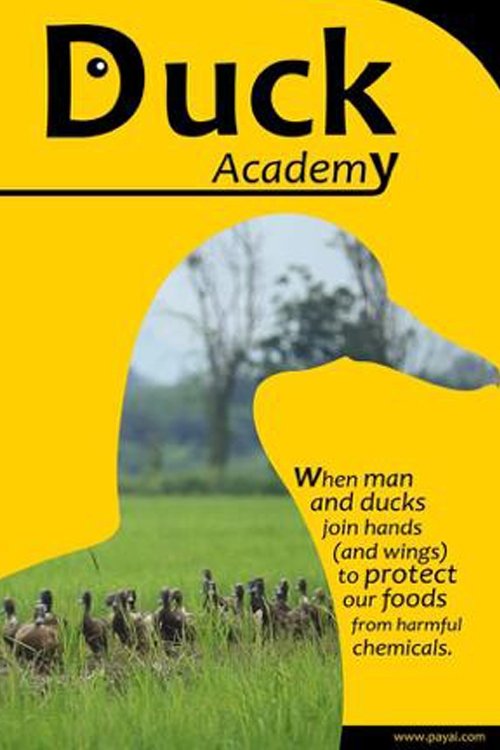
Duck Academy
Documentary
Overview
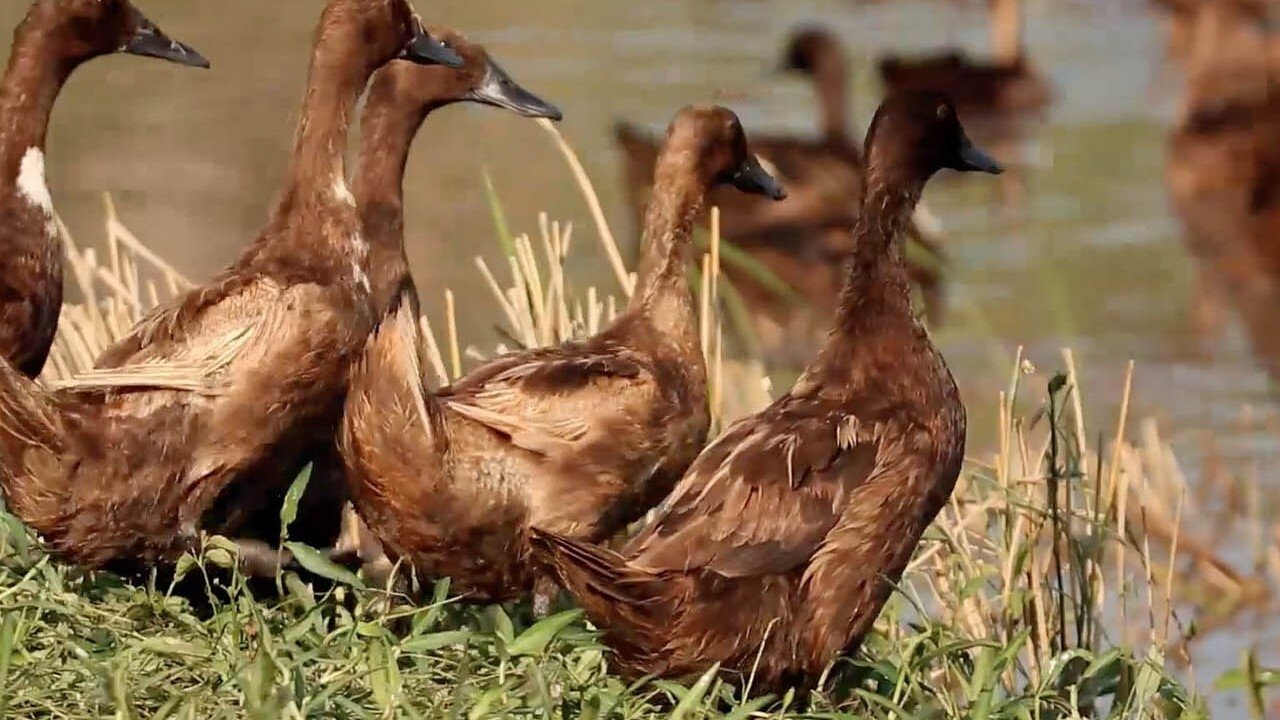
Thousands of ducks, one farmer, and an ultimate goal to produce chemical-free rice. Against all odds, a determined farmer in Thailand trained ducks to be ‘rice protectors.’ Together, they joined hands (and wings) in the pursuit of sustainable farming. Amusing, adorable, yet informative, viewers will fall in love watching man and ducks, teacher and students, work together to keep our food safe from harmful chemicals.
Top Cast



Somnuek Chusi
Somnuek Chusi
Somnuek Chusi
Similar Movies
Street art, creativity and revolution collide in this beautifully shot film about art’s ability to create change. The story opens on the politically charged Thailand/Burma border at the first school teaching street art as a form of non-violent struggle. The film follows two young girls (Romi & Yi-Yi) who have escaped 50 years of civil war in Burma to pursue an arts education in Thailand. Under the threat of imprisonment and torture, the girls use spray paint and stencils to create images in public spaces to let people know the truth behind Burma's transition toward "artificial democracy." Eighty-two hundred miles away, artist Shepard Fairey is painting a 30’ mural of a Burmese monk for the same reasons and in support of the students' struggle in Burma. As these stories are inter-cut, the film connects these seemingly unrelated characters around the concept of using art as a weapon for change.

Storror Supertramps - Thailand is the first film of its kind. Seven friends take you on a thrilling feature length adventure, documenting their wild journey around South East Asia. Join some of the worlds favourite athletes on an incredible exploration into their world of fun, freedom and adventure. The boys push the limits of their comfort zone as they endure twenty-eight days with no plans, accommodation or money. What could possibly go wrong ?
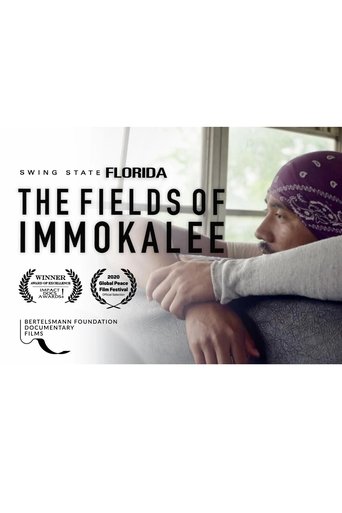
For decades, migrant workers have worked the fields of Immokalee, harvesting tomatoes, peppers, eggplants, oranges and other produce that is then shipped across the United States of America. Many of the workers are undocumented, and attempting to keep their jobs even as federal migration crackdowns hover over the town. The Fields of Immokalee film follows the daily lives of tomato workers, from the 5:00am trips to the parking lot in hopes of finding day labor, to work sessions in the scorching mid-day heat, to child detention centers for migrant youth that have been separated from their families. Via these vignettes, the film offers insight into the most volatile political issue of our time.
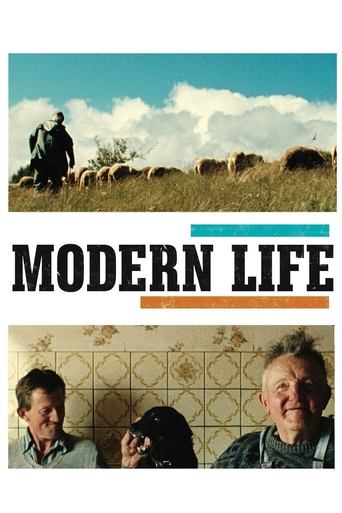
For ten years, Raymond Depardon has followed the lives of farmer living in the mountain ranges. He allows us to enter their farms with astounding naturalness. This moving film speaks, with great serenity, of our roots and of the future of the people who work on the land. This the last part of Depardon's triptych "Profils paysans" about what it is like to be a farmer today in an isolated highland area in France. "La vie moderne" examines what has become of the persons he has followed for ten years, while featuring younger people who try to farm or raise cattle or poultry, come hell or high water.
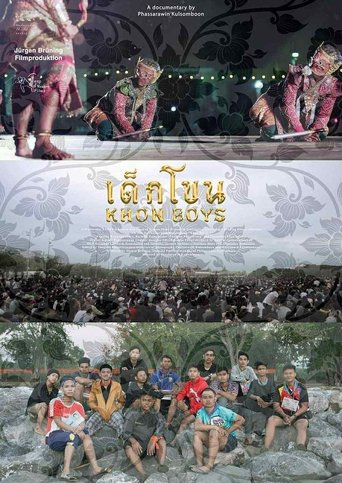
A documentary recording the lives of Khon students in their last years of study. They spent six years under the rules of the military regime after the 2014 coup d’etat. The coup granted the regime power to change many things, especially education which became more focused on the monarchy and royal glorification instead of basic human values. While the world is becoming awakened to human rights, the military regime deems them against their own values. The shooting of the film began at the time of the king’s succession, shortly after which there was a great social awakening in Thailand. Meanwhile, the authorities used state violence and oppression in an effort to eliminate dissidents, even when they were just high school and university students.
There are only 320 Mlabri people left on this planet. They came out of the jungle in Northern Thailand on the border to Laos one generation ago. The Mlabri people used to be hunters and gatherers. Today they scrape out a meagre existence at the bottom of society working as day labourers for the Hmong farmers, and living in shacks on the outskirts of larger Hmong villages. The Mlabri people are currently going through a transformation process, which has taken many other people thousands of years. Now the young people are faced with the choice of staying with their families in the village or adapting to the Thai society. How do they experience the meeting between their own culture and the local, regional and national majority cultures? In this film young Mlabri tell about their past, present and future as they see it; all expressed in their unique and expressive Mlabri language.